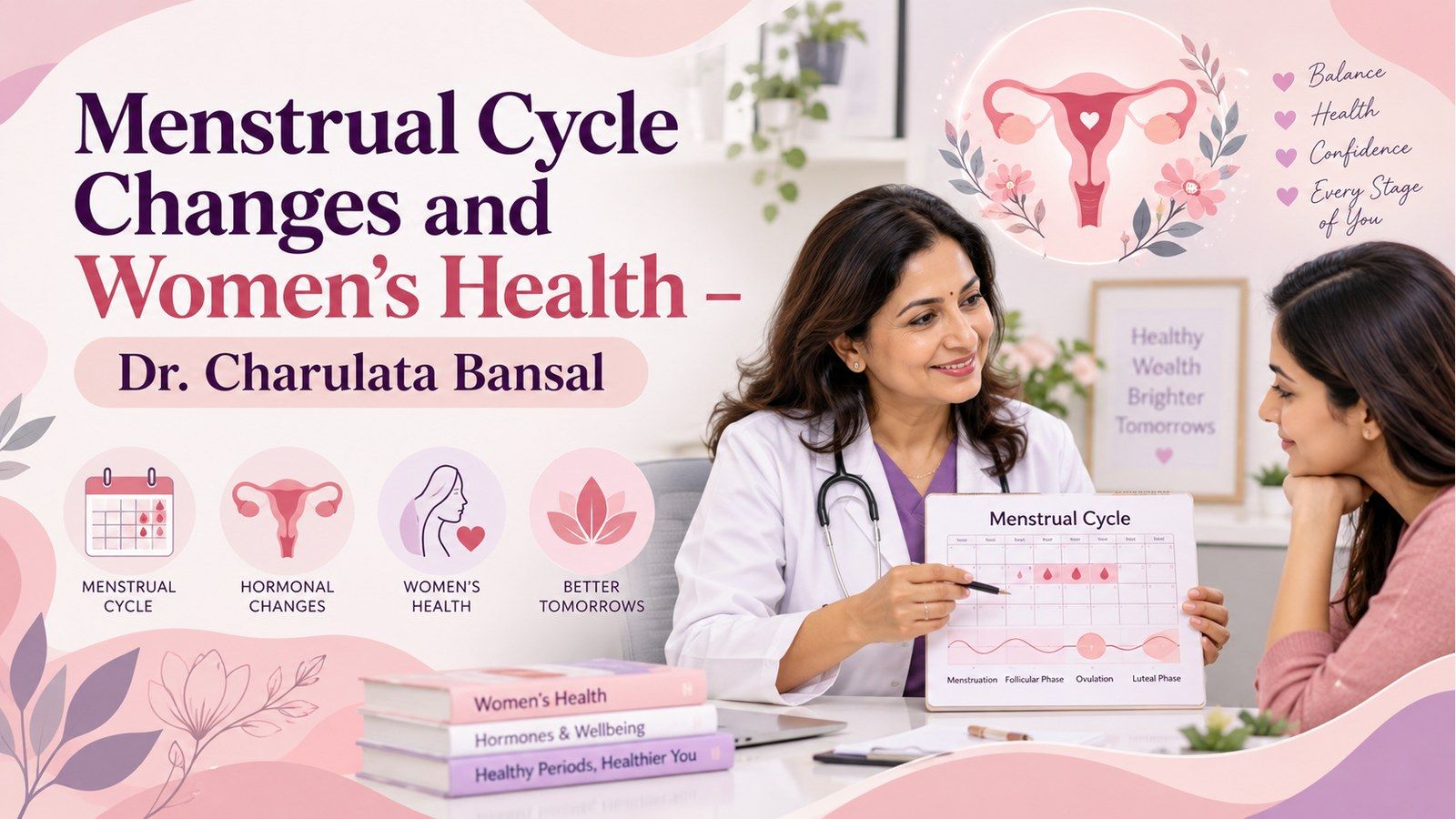
Why Your Menstrual Cycle Can Change: Common Reasons Women Should Know
A menstrual cycle can change from time to time, and not every change means there is a serious health problem. Periods may sometimes arrive earlier or later than expected, become heavier or lighter, or last for a different number of days. Stress, lifestyle changes, hormonal fluctuations and several other factors can influence the menstrual cycle. For women experiencing repeated or unexplained changes, speaking with a qualified best gynaecologist in Jaipur (https://gynaecologistjaipur.com/) can help identify whether there is an underlying hormonal or gynaecological concern that needs attention.
What Can Cause Changes in Your Menstrual Cycle?
There are several possible reasons behind changes in periods. Some are temporary, while others may require medical evaluation.
1. Stress and Emotional Changes
Stress can influence the hormones involved in ovulation and menstruation. Work pressure, emotional stress, poor sleep or a major change in routine may sometimes make periods irregular. When stress reduces and a regular routine is restored, the menstrual cycle may return to its usual pattern. However, ongoing irregularity should be discussed with a healthcare professional.
2. Changes in Weight and Diet
Sudden weight gain or weight loss can affect hormonal balance and ovulation. Very restrictive diets, inadequate nutrition and significant changes in physical activity may also influence menstrual cycles. A balanced diet, adequate nutrition and regular physical activity can support overall reproductive health.
3. Polycystic Ovary Syndrome (PCOS)
PCOS is a common hormonal condition that can affect ovulation and menstrual regularity. Some women may experience irregular periods along with acne, unwanted facial or body hair, weight-related concerns or difficulty with ovulation. However, irregular periods do not automatically mean that a woman has PCOS. Proper medical evaluation is important to understand the actual cause.
4. Thyroid and Other Hormonal Changes
The thyroid gland plays an important role in the body's metabolism and several reproductive processes. Thyroid disorders can sometimes affect the timing and flow of menstrual periods. Hormonal changes can also occur naturally during adolescence, after pregnancy and during the years leading up to menopause.
5. Pregnancy and Postpartum Changes
A missed period can sometimes be an early sign of pregnancy. After childbirth, menstrual cycles may also take time to become regular, particularly when a woman is breastfeeding. Since recovery and hormonal changes vary between individuals, persistent or unusual symptoms should be discussed with a healthcare professional.
When Should You Pay Attention to Irregular Periods?
An occasional change in your cycle may not be a reason for concern. However, medical advice may be appropriate when irregularity continues or is accompanied by symptoms such as:
Very heavy menstrual bleeding
Severe or worsening period pain
Repeatedly irregular periods
Bleeding between periods
Bleeding after sexual intercourse
Repeatedly missed periods without an obvious reason
Persistent pelvic pain
Unusual vaginal discharge
Difficulty becoming pregnant
These symptoms can occur for many different reasons. A medical consultation can help determine whether further examination or testing is required.
Can Tracking Your Period Help?
Keeping a simple record of your menstrual cycle can help you understand your own pattern. You can record the first day of each period, the number of bleeding days, changes in flow, pain and any unusual symptoms. This information can also be useful during a medical consultation because it gives the doctor a clearer picture of how your cycle has changed over time. Period-tracking apps can make recording easier, but their predictions should not be considered a substitute for professional medical advice.
Menstrual Health Can Offer Important Clues
Menstrual changes are sometimes overlooked because women may consider irregular periods or painful cycles a normal part of life. While some variation is normal, persistent changes can occasionally be associated with hormonal, reproductive or other health conditions. Understanding your usual menstrual pattern makes it easier to recognise when something has changed. Early attention to persistent symptoms can also help women seek appropriate care rather than continuing to manage unexplained symptoms on their own.
Women's Health Requires More Than Treating Individual Symptoms
Reproductive health can change throughout a woman's life. Menstrual concerns during adolescence may be different from those experienced after pregnancy or during the perimenopausal years. For this reason, women searching for a gynaecologist in Jaipur may benefit from discussing their complete symptoms and medical history during a consultation instead of focusing on only one menstrual symptom. A proper consultation allows the doctor to understand the pattern, consider possible causes and recommend appropriate next steps based on the individual's situation.
Final Thoughts
Every woman's menstrual cycle can be slightly different, and occasional changes are common. The important thing is to recognise persistent or unusual patterns rather than ignoring them.Tracking your cycle, maintaining healthy lifestyle habits and seeking professional medical advice when symptoms continue can help you take a more informed approach to menstrual and reproductive health.
Appreciate the creator