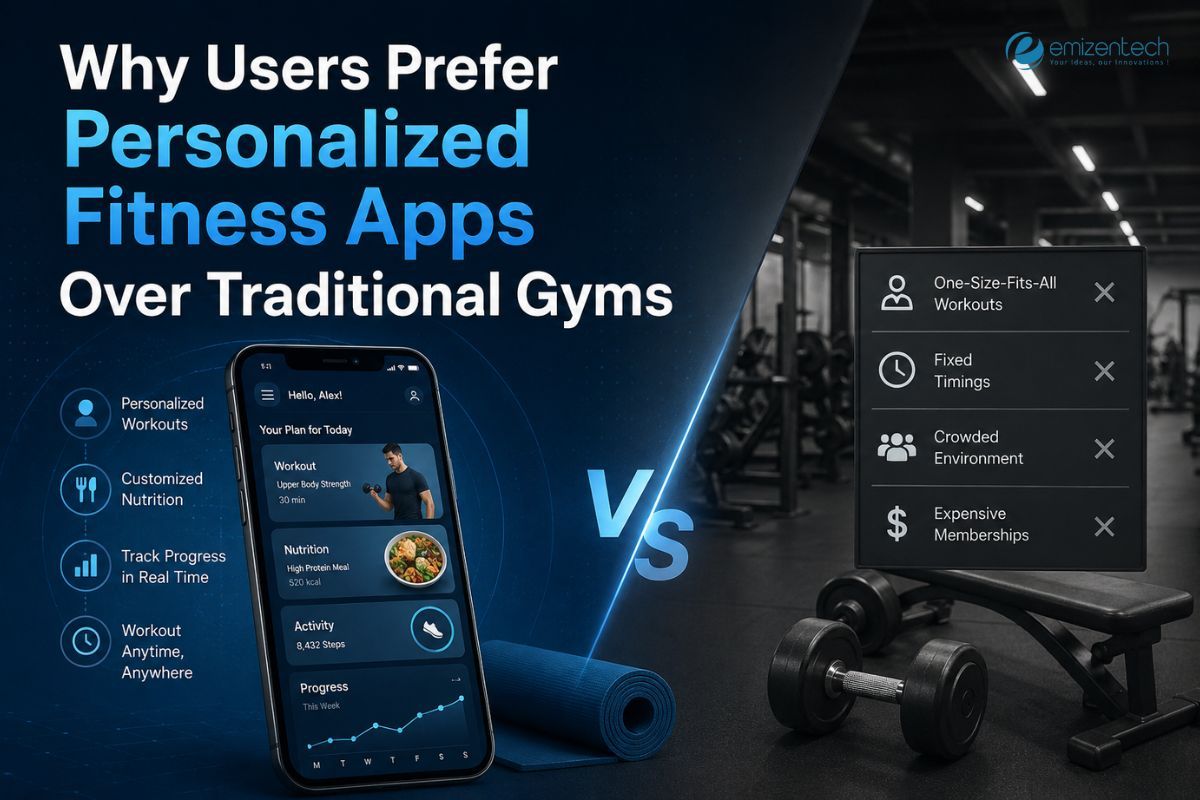
Why Users Prefer Personalized Fitness Apps Over Traditional Gyms?
The fitness industry has witnessed a remarkable transformation over the past decade. While traditional gyms once dominated the landscape as the go-to solution for health-conscious individuals, personalized fitness apps have emerged as formidable competitors, capturing the attention and loyalty of millions worldwide. This shift isn't merely a technological trend—it's a fundamental change in how people approach their fitness journeys.
The Convenience Factor
Perhaps the most compelling reason users gravitate toward fitness apps is the unparalleled convenience they offer. Traditional gyms operate on fixed schedules, requiring members to plan their days around opening hours. Fitness apps, however, are available 24/7, transforming any space into a personal gym. Whether it's a 5 AM workout before the kids wake up or a midnight yoga session after a long shift, users have complete control over when and where they exercise.
This flexibility extends beyond scheduling. There's no commute time, no searching for parking, and no waiting for equipment. Users can seamlessly integrate workouts into their daily routines—squeezing in a quick HIIT session during lunch breaks or following a stretching routine while traveling. For busy professionals, parents, and anyone juggling multiple responsibilities, this accessibility is invaluable.
Personalization at Scale
Traditional gyms typically offer generic programs designed for the masses. While personal trainers provide customization, they come with hefty price tags that many can't justify. Fitness apps bridge this gap by leveraging technology to deliver personalized experiences at a fraction of the cost.
Modern fitness apps analyze user data—including fitness levels, goals, preferences, injuries, and progress—to create tailored workout plans that evolve with the user. Advanced algorithms adjust difficulty levels, suggest alternative exercises, and modify programs based on performance metrics. This dynamic personalization ensures users are constantly challenged without being overwhelmed, maintaining the delicate balance that keeps motivation high.
Companies specializing in fitness app development have mastered the art of creating platforms that feel like having a personal trainer in your pocket, offering customized guidance that adapts to individual needs and progresses at the right pace.
Cost-Effectiveness
Financial considerations play a significant role in the preference shift. Traditional gym memberships can range from $30 to over $200 monthly, often requiring long-term commitments and additional fees for classes or personal training. Premium fitness apps, conversely, typically cost between $10 and $40 per month, with many offering free versions with substantial functionality.
This price difference becomes even more pronounced when factoring in hidden gym costs—transportation, parking, workout gear specifically for gym use, and the pressure to purchase supplements or additional services. Fitness apps eliminate these peripheral expenses while providing access to world-class trainers, diverse workout styles, and comprehensive nutrition guidance.
Privacy and Comfort
Not everyone feels comfortable exercising in public spaces. Gym anxiety is real—the fear of judgment, intimidation from experienced gym-goers, or self-consciousness about one's fitness level prevents many from maximizing their gym memberships. Fitness apps eliminate this psychological barrier entirely.
Users can work out in the privacy of their homes, free from perceived judgment. They can repeat exercises until they perfect form, pause when needed, and progress at their own pace without feeling rushed or watched. This psychological safety creates an environment where users are more likely to experiment with new workout types and push their boundaries.
Comprehensive Wellness Approach
Modern fitness apps have evolved beyond simple workout videos. They've become holistic wellness platforms integrating exercise, nutrition tracking, sleep monitoring, meditation, and community support. This comprehensive approach addresses fitness as part of overall wellbeing rather than an isolated activity.
Users can log meals, track macros, monitor sleep patterns, practice mindfulness, and access educational content—all within a single ecosystem. This integration provides insights into how different lifestyle factors interact, helping users make informed decisions about their health. Traditional gyms rarely offer this level of comprehensive support without costly add-ons.
Data-Driven Progress Tracking
Fitness apps excel at quantifying progress through detailed analytics and visualizations. Users can track workout frequency, calories burned, personal records, body measurements, and performance trends over time. This data-driven approach provides tangible evidence of improvement, which serves as powerful motivation.
Seeing a graph of increasing strength, declining mile times, or consistent workout streaks creates psychological momentum. Traditional gyms may offer fitness assessments, but they're typically infrequent and lack the continuous feedback loop that apps provide daily.
Variety and Exploration
Gym routines can become monotonous, limited by available equipment and class schedules. Fitness apps offer virtually unlimited variety—users can explore yoga, pilates, strength training, dance, martial arts, cycling, running programs, and countless other modalities without additional costs or scheduling constraints.
This variety prevents workout plateaus and boredom, two major factors in fitness program abandonment. Users can easily switch between workout styles based on mood, energy levels, or changing goals, maintaining engagement over the long term.
The Future of Fitness
The preference for personalized fitness apps over traditional gyms reflects broader societal shifts toward digital convenience, customization, and value-consciousness. While gyms still serve important roles—particularly for those who thrive in community settings or require specific equipment—fitness apps have democratized access to quality fitness guidance.
As technology continues advancing, incorporating AI coaching, virtual reality workouts, and even more sophisticated personalization, the gap between apps and traditional gyms will likely widen. For today's users, the choice is clear: personalized fitness apps offer flexibility, affordability, privacy, and comprehensiveness that traditional gyms simply cannot match.
FAQs
1. Why do users prefer personalized fitness apps over traditional gyms?
Users prefer personalized fitness apps because they offer flexibility, convenience, customized workout plans, and the ability to work out anytime without visiting a physical gym.
2. How do personalized fitness apps improve user experience?
These apps use data like fitness goals, workout history, and activity levels to create tailored workout and wellness plans that match individual needs.
3. Are fitness apps more affordable than gym memberships?
Yes, many fitness apps are more cost-effective than traditional gyms since they usually have lower subscription costs and eliminate travel or trainer expenses.
4. What features make personalized fitness apps popular?
Popular features include AI-based recommendations, wearable integration, progress tracking, calorie monitoring, live workout sessions, and gamified fitness challenges.
5. Can personalized fitness apps help users stay motivated?
Yes, fitness apps often include rewards, streak tracking, reminders, and progress reports that encourage users to stay consistent with their fitness routines.
Appreciate the creator