Pro Fingerboarding More Than a Mini Skateboard Its a Real Sport
If you’ve ever seen someone flipping a tiny skateboard across a desk, you probably thought, “Oh, that’s just a toy.” I used to think the same. But once you actually watch what pro fingerboarders can do—or better yet, try it yourself—you realize it’s a whole different story. Fingerboarding isn’t just some classroom distraction or a fun little gadget to pass the time. It’s an actual sport, with its own tricks, culture, and community.
From Kids’ Toy to Real Skill
Fingerboarding really blew up in the ’90s when Tech Decks hit the shelves. I remember kids trading them, collecting the coolest graphics, and trying to pop tiny ollies off schoolbooks. For most people, that was where it ended—a fun memory from childhood.
But here’s the thing: some people didn’t stop. They kept pushing, kept practicing, and suddenly fingerboarding wasn’t just about rolling a plastic toy across your desk. It turned into a skill—something you could actually master, the same way skaters master their boards. Today, fingerboarding has competitions, pro-grade gear, and a global community. It’s no exaggeration to call it a sport.
Why Fingerboarding Feels Like the Real Deal
If you’ve ever tried to land even a simple ollie on a fingerboard, you know it’s not as easy as it looks. Tricks take practice. Timing matters. The way you flick your fingers, how you catch the board, even the way you line up for a grind—it all requires control and focus.
Pro fingerboarders don’t just land tricks, though. They flow. They combine flips, grinds, and manuals into smooth lines that look just like skateboarding—only in miniature. Watching it is strangely satisfying. And doing it? Even more so. It gives you the same rush you’d get at a skatepark, just scaled down to your desk.
The Gear Has Changed Everything
Back in the day, fingerboards were all plastic. Fun, but kind of limited. Now? The gear is next level.
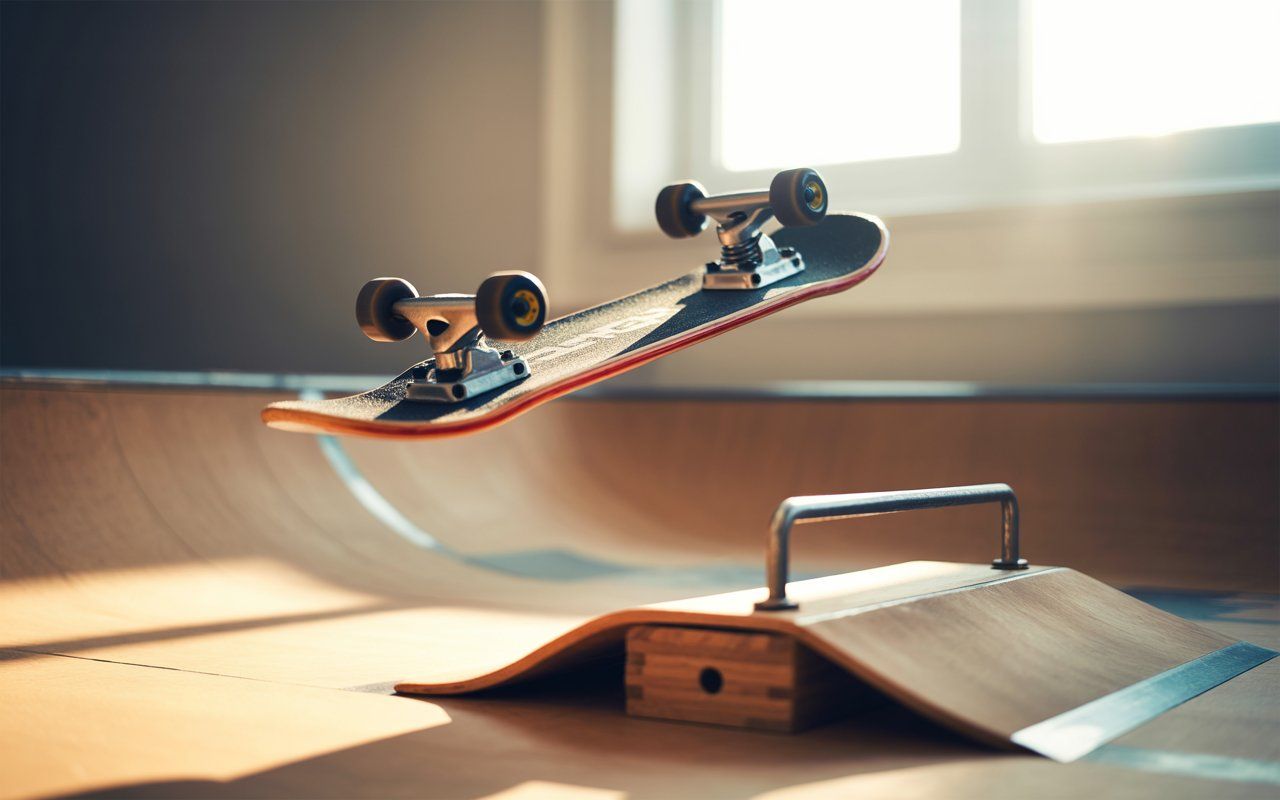
Pro fingerboards are made of real wood decks, just like full-size skateboards. The trucks are CNC-machined metal, the wheels are smooth urethane, and the bushings actually let you carve and turn. Some boards are even handmade by small brands, turning them into little works of art.
Better gear means better performance. Tricks feel cleaner, smoother, and more realistic. And honestly, just setting up your dream fingerboard feels as exciting as building a custom skateboard.
Competitions, Meetups, and Community
Here’s where fingerboarding really earns its “sport” badge: the community. Around the world, there are meetups and competitions where riders show off their skills. Events like Fast Fingers in Germany are huge gatherings where the best fingerboarders come together, throw down insane tricks, and just vibe with people who share the same passion.
Even if you can’t make it to a big event, the online scene is massive. Instagram and TikTok are full of fingerboard clips—some are raw trick edits, others are full-on creative videos. It feels like skateboarding culture, just on a smaller scale, and it’s incredibly welcoming.
Why People Love It
So, why do people stick with fingerboarding? A few reasons stand out:
It’s creative. You’re not just learning tricks—you’re inventing them, building ramps, and customizing your board.
It’s accessible. You don’t need a park, safety gear, or even much space. A desk, a little rail, and your fingers are all it takes.
It builds patience. Landing a new trick can take dozens of tries. But when you finally stick it, the feeling is worth it.
It connects people. Whether you’re trading boards, filming clips, or just sharing setups online, fingerboarding builds community.
Breaking the “Toy” Label
A lot of people still see fingerboarding as something only kids do. But here’s the thing: skateboarding itself was once brushed off as a fad. Now it’s in the Olympics. Fingerboarding is on that same journey of recognition.
When you see the skill it takes, the dedication riders put in, and the passion of the community, it’s impossible to dismiss it as “just a toy.” For many, it’s a way of life, a creative outlet, and yes—a real sport.
Inspiring the Next Generation
What’s even cooler is how fingerboarding inspires new skaters. For kids who can’t always get to a skatepark, fingerboarding gives them a taste of the culture. It sparks creativity and often leads them to pick up a real board later on.
At the same time, adults who grew up with fingerboards have stuck with it. They’ve seen it grow from a fun little desk game into a legitimate sport and art form—and they’re still here, pushing it forward.
Final Thoughts
Fingerboarding might be small in size, but it’s big in passion. What started as a toy has become a global movement, filled with creativity, competition, and community. It’s about more than just flicking a mini board—it’s about expression, skill, and the joy of landing something new, no matter how small the board.
So next time you see someone messing around with a fingerboard, don’t laugh it off. Look closer. You might just be watching an athlete in action—only this time, the skatepark fits in the palm of their hand.
Appreciate the creator