Why Many Women Face Fertility Problems Today: Understanding Female Infertility in Delhi
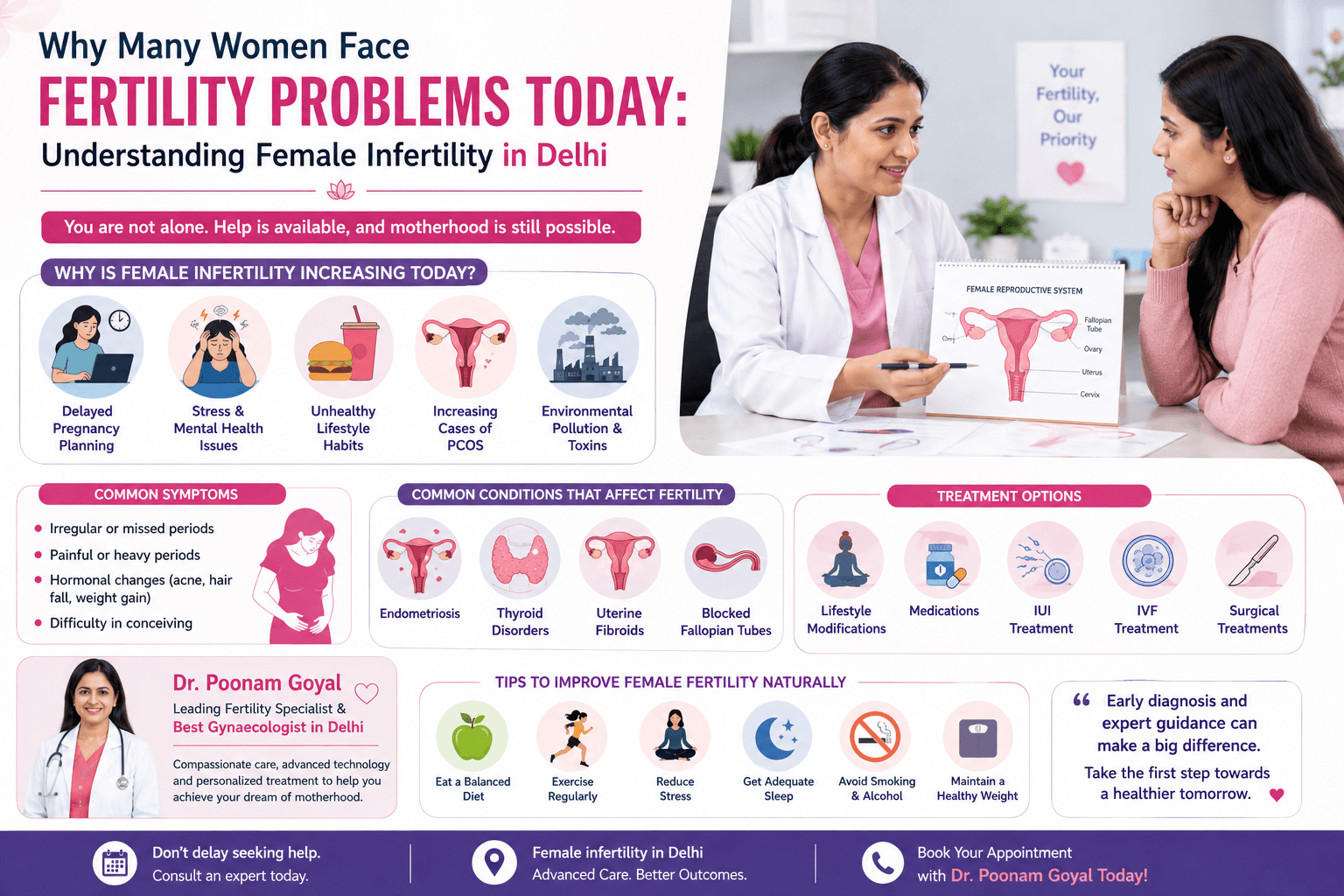
Motherhood is a beautiful dream for many women, but in recent years, fertility-related challenges have become increasingly common. Modern lifestyle changes, stress, medical conditions, and environmental factors are contributing to a rise in infertility cases among women. Today, many couples are actively searching for solutions related to Female infertility in Delhi as awareness about reproductive health continues to grow.
Understanding the causes, symptoms, and treatment options for female infertility can help women take the right steps toward improving their reproductive health. With guidance from experienced specialists like Dr. Poonam Goyal, many women are successfully overcoming fertility challenges and achieving healthy pregnancies.
What is Female Infertility?
Female infertility refers to a condition where a woman is unable to conceive naturally even after trying for a year or more with regular unprotected intercourse. In some cases, infertility may also involve difficulty in carrying a pregnancy successfully.
Infertility can affect women of all age groups, but the chances increase as age advances. Early diagnosis and proper medical care can improve treatment outcomes significantly.
Why is Female Infertility Increasing Today?
Modern life has changed dramatically over the past few decades. While advancements have improved lifestyles in many ways, they have also created new health challenges that impact fertility.
Delayed Pregnancy Planning
Many women today focus on education, career growth, financial stability, and personal goals before planning a family. However, fertility naturally declines with age, especially after 35.
As women age:
Egg quality decreases
Hormonal balance changes
Pregnancy risks increase
Delayed motherhood has become one of the leading causes of fertility problems.
Stress and Mental Health Issues
High-pressure jobs, emotional stress, anxiety, and lack of work-life balance can affect hormone levels and ovulation cycles.
Chronic stress may:
Disturb menstrual cycles
Affect reproductive hormones
Lower chances of conception
Maintaining emotional well-being is essential for reproductive health.
Unhealthy Lifestyle Habits
Modern lifestyle choices are significantly impacting fertility in women.
Common factors include:
Poor eating habits
Lack of physical activity
Obesity
Smoking
Alcohol consumption
Inadequate sleep
These habits may interfere with hormonal function and ovulation.
Increasing Cases of PCOS
Polycystic Ovary Syndrome (PCOS) is one of the most common causes of infertility in women today.
PCOS can cause:
Irregular periods
Weight gain
Hormonal imbalance
Difficulty in ovulation
Many women seeking treatment for Female infertility in Delhi are diagnosed with PCOS-related fertility challenges.
Environmental Pollution
Exposure to pollution, harmful chemicals, and toxins may negatively affect reproductive health. Delhi’s urban environment and rising pollution levels are also believed to contribute to hormonal and fertility issues in some women.
Common Symptoms of Female Infertility
In some cases, infertility may not show obvious symptoms. However, certain signs can indicate reproductive health problems.
Irregular Menstrual Cycles
Very short, long, or missed periods may indicate ovulation issues.
Painful Periods
Severe menstrual pain may be linked to conditions like endometriosis.
Hormonal Changes
Symptoms like acne, excessive hair growth, weight fluctuations, or hair thinning may indicate hormonal imbalance.
Difficulty Conceiving
The most common sign is the inability to conceive despite regular attempts.
Medical Conditions That Affect Fertility
Several health conditions can contribute to infertility in women.
Endometriosis
This condition occurs when tissue similar to the uterine lining grows outside the uterus, causing pain and fertility complications.
Thyroid Disorders
Both underactive and overactive thyroid conditions can disrupt ovulation and hormonal balance.
Blocked Fallopian Tubes
Blocked tubes prevent sperm and egg from meeting, making conception difficult.
Uterine Fibroids
Fibroids may interfere with implantation and pregnancy in some women.
Importance of Early Diagnosis
Many women delay fertility evaluation due to lack of awareness or social hesitation. However, early diagnosis increases the chances of successful treatment.
A fertility specialist may recommend:
Hormonal tests
Ultrasound scans
Ovulation tracking
Fallopian tube testing
Reproductive health assessment
Consulting the Best Gynaecologist in Delhi can help women receive proper diagnosis and personalized fertility treatment plans.
Treatment Options for Female Infertility
Modern fertility treatments offer hope for many women struggling with infertility.
Lifestyle Modifications
Improving diet, exercise, stress management, and sleep patterns may naturally enhance fertility.
Medications
Fertility medicines can help stimulate ovulation and regulate hormonal imbalance.
IUI Treatment
Intrauterine Insemination (IUI) helps improve the chances of fertilization by placing healthy sperm directly inside the uterus.
IVF Treatment
In Vitro Fertilization (IVF) is an advanced fertility treatment recommended for complex infertility cases.
Surgical Treatments
Certain conditions like fibroids, endometriosis, or blocked fallopian tubes may require surgery.
How Dr. Poonam Goyal Helps Women with Fertility Care
Experienced fertility specialists play an important role in helping women overcome infertility challenges. Dr. Poonam Goyal is known for her compassionate care, personalized treatment approach, and focus on women’s reproductive health.
Women seeking trusted treatment for Female infertility in Delhi often look for experienced specialists who provide emotional support along with advanced fertility care.
Tips to Improve Female Fertility Naturally
While medical guidance is important, healthy lifestyle choices can also support fertility.
Maintain a Healthy Weight
Balanced body weight supports healthy hormone levels and ovulation.
Eat Fertility-Friendly Foods
Include:
Fresh fruits and vegetables
Whole grains
Protein-rich foods
Healthy fats
Exercise Regularly
Moderate exercise improves blood circulation and hormonal balance.
Reduce Stress Levels
Meditation, yoga, and relaxation techniques can positively impact fertility health.
Avoid Smoking and Alcohol
These habits can negatively affect reproductive health and egg quality.
Final Thoughts
Female infertility is becoming increasingly common due to changing lifestyles, stress, medical conditions, and delayed pregnancy planning. However, infertility does not mean the end of the journey toward motherhood.
With early diagnosis, proper medical care, and guidance from experienced specialists like Dr. Poonam Goyal, many women are successfully overcoming fertility challenges.
If you are experiencing fertility-related concerns, consulting the Best Gynaecologist in Delhi can help you understand the right treatment options and improve your chances of conception.
Frequently Asked Questions
What is the most common cause of female infertility?
PCOS, ovulation disorders, age-related fertility decline, and hormonal imbalance are among the most common causes.
At what age does female fertility decline?
Female fertility usually begins to decline after the age of 30 and decreases more rapidly after 35.
Can stress cause infertility?
Stress may affect hormone levels and ovulation, which can reduce fertility chances.
Is female infertility treatable?
Yes, many infertility conditions can be treated successfully with medications, lifestyle changes, IUI, IVF, or surgery.
How long should couples try before consulting a fertility doctor?
Couples under 35 should consult a doctor after one year of trying, while women above 35 should seek help after six months.
Can PCOS cause infertility?
Yes, PCOS can interfere with ovulation and make conception difficult.
Who is considered the Best Gynaecologist in Delhi for fertility treatment?
Experienced fertility specialists like Dr. Poonam Goyal are trusted for personalized reproductive and fertility care.
Appreciate the creator