Why Many Women Delay Pregnancy and How It Affects Fertility
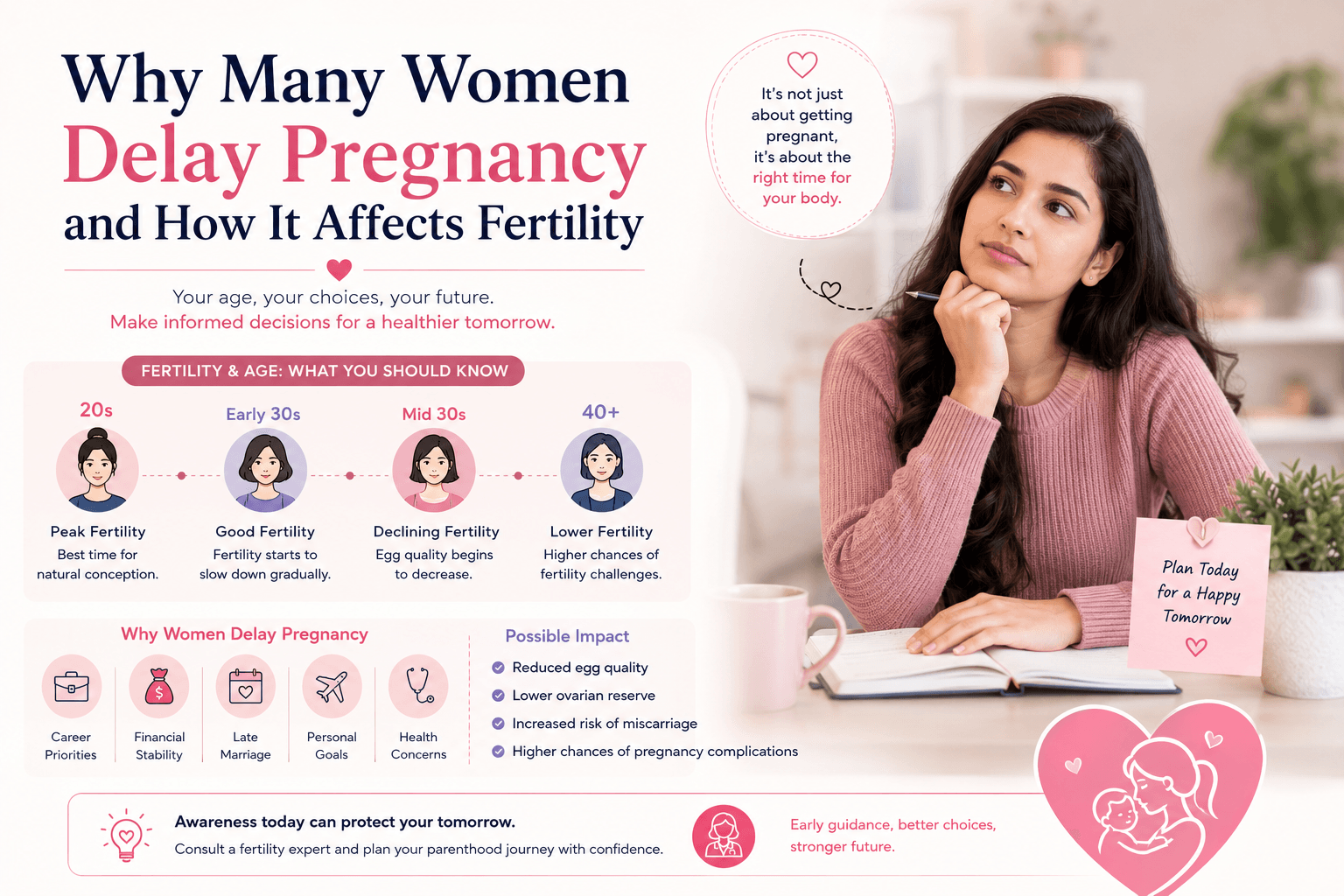
In today’s modern world, many women choose to delay pregnancy for personal, professional, financial, or social reasons. While this decision is completely personal and understandable, it is also important to understand how age can affect fertility and pregnancy chances over time.
Many women believe pregnancy can happen easily at any age because of modern medical advancements. Although fertility treatments have improved greatly, age still plays an important role in female reproductive health. Understanding the connection between delayed pregnancy and fertility can help women make informed decisions about future family planning.
Dr. Poonam Goyal believes that awareness and timely guidance are important for protecting reproductive health and improving fertility understanding.
Why Many Women Delay Pregnancy Today
There are many reasons why women decide to postpone pregnancy. Modern lifestyles and changing priorities have significantly influenced family planning decisions.
1. Career and Professional Goals
Many women focus on building a stable career before starting a family. Higher education, job growth, and professional responsibilities often lead to delayed marriage and pregnancy.
Women today want financial independence and career security before planning parenthood.
2. Financial Stability
Raising a child involves emotional and financial responsibility. Many couples wait until they feel financially secure before planning a baby.
Expenses related to healthcare, housing, education, and daily living often influence this decision.
3. Late Marriages
The average age of marriage has increased in recent years. As marriages happen later, pregnancy planning is naturally delayed as well.
4. Personal Readiness
Some women may not feel emotionally prepared for parenthood at an early age. They may want more time to travel, focus on relationships, or enjoy personal freedom before starting a family.
5. Medical or Health Conditions
Certain women may delay pregnancy due to health conditions such as PCOS, thyroid disorders, endometriosis, or other reproductive concerns that require treatment first.
Consulting an experienced Infertility specialist in Delhi can help women manage these conditions while planning future pregnancy.
How Age Affects Female Fertility
Women are born with a fixed number of eggs, and both egg quantity and quality naturally decline with age. Fertility gradually decreases over time, especially after the age of 35.
Fertility in the 20s
The 20s are generally considered the most fertile reproductive years. Egg quality and ovarian reserve are usually strongest during this phase.
Pregnancy chances are naturally higher, and miscarriage risks are lower compared to later years.
Fertility in the Early 30s
Fertility remains fairly healthy in the early 30s, but gradual decline may begin. Many women still conceive naturally during this age group.
However, lifestyle habits, stress, and medical conditions may also influence fertility.
Fertility After 35
After the age of 35, fertility decline becomes more noticeable. Egg quality decreases faster, which may affect conception chances and increase miscarriage risks.
Women may also experience:
Irregular ovulation
Reduced ovarian reserve
Increased pregnancy complications
Higher risk of chromosomal abnormalities
The guidance of the Best IVF doctor in Delhi can help women understand fertility options if conception becomes difficult.
Fertility After 40
Pregnancy after 40 is still possible, but natural conception chances become lower. Fertility treatments may sometimes be recommended depending on individual reproductive health.
At this stage, pregnancy risks such as gestational diabetes, high blood pressure, and miscarriage may also increase.
Common Fertility Challenges Linked to Delayed Pregnancy
Delaying pregnancy does not always lead to infertility, but it may increase certain fertility-related challenges.
1. Reduced Egg Quality
As women age, egg quality naturally decreases. Poor egg quality can make fertilization and embryo development more difficult.
2. Lower Ovarian Reserve
Ovarian reserve refers to the number of remaining eggs in the ovaries. This reserve gradually declines over time.
3. Hormonal Changes
Hormonal balance may change with age, affecting ovulation and menstrual cycles.
4. Increased Risk of Gynecological Conditions
Conditions like fibroids, endometriosis, and PCOS may become more common with age and may affect fertility.
Regular checkups with the Best Gynaecologist in Delhi can help detect and manage reproductive health issues early.
Emotional Impact of Delayed Fertility
Women who face difficulty conceiving later in life may experience emotional stress, anxiety, and frustration. Social pressure and repeated unsuccessful attempts can also affect mental health.
It is important for couples to seek emotional support and medical guidance without delay. Fertility challenges are common, and modern treatments provide hope to many couples.
Can Women Preserve Fertility for the Future?
Yes, fertility preservation options are now available for women who wish to delay pregnancy.
Egg Freezing
Egg freezing allows women to preserve healthy eggs at a younger age for future pregnancy planning.
This option may be considered by:
Women focusing on careers
Women not ready for pregnancy yet
Women undergoing medical treatments affecting fertility
Medical guidance can help determine whether fertility preservation is suitable for an individual’s future plans.
Healthy Habits That May Support Fertility
Although age cannot be stopped, healthy lifestyle habits may support reproductive wellness.
Helpful Fertility Habits:
Maintain a healthy weight
Eat a balanced diet
Exercise regularly
Avoid smoking and alcohol
Manage stress
Get proper sleep
Attend regular health checkups
These habits support overall reproductive and physical health.
When Should Women Seek Fertility Advice?
Women should consider medical guidance if:
They are above 35 and trying to conceive for 6 months
They have irregular periods
They have known fertility conditions
They experienced repeated miscarriages
Pregnancy is delayed despite regular attempts
Early consultation can help identify fertility problems sooner and improve treatment planning.
Importance of Fertility Awareness
Many women are unaware that fertility naturally declines with age. Increasing awareness about reproductive health helps women make informed decisions about future family planning.
Fertility education does not create fear; it simply helps women understand their bodies better and plan confidently.
FAQs
1. Does fertility always decline after 35?
Yes, female fertility naturally begins declining with age, especially after 35, due to reduced egg quantity and quality.
2. Can women get pregnant naturally after 35?
Yes, many women conceive naturally after 35, although pregnancy chances may gradually decrease.
3. What are common reasons for delayed pregnancy?
Career goals, financial stability, late marriage, personal choices, and medical conditions are common reasons.
4. Is IVF necessary for every woman above 35?
No, IVF is not necessary for everyone. Treatment depends on individual fertility health and medical evaluation.
5. Can healthy lifestyle habits improve fertility?
Healthy habits may support overall reproductive health and improve the body’s readiness for pregnancy.
Conclusion
Delaying pregnancy has become increasingly common because of changing lifestyles, careers, and personal priorities. While many women successfully conceive later in life, it is important to understand that fertility naturally changes with age.
Awareness, healthy habits, regular medical checkups, and timely fertility guidance can help women make informed reproductive decisions. If pregnancy becomes difficult, modern fertility treatments and expert medical care provide hopeful options for many couples.
With proper support from the Best IVF doctor in Delhi and trusted fertility care, women can better understand their reproductive health and confidently plan their parenthood journey.
Appreciate the creator