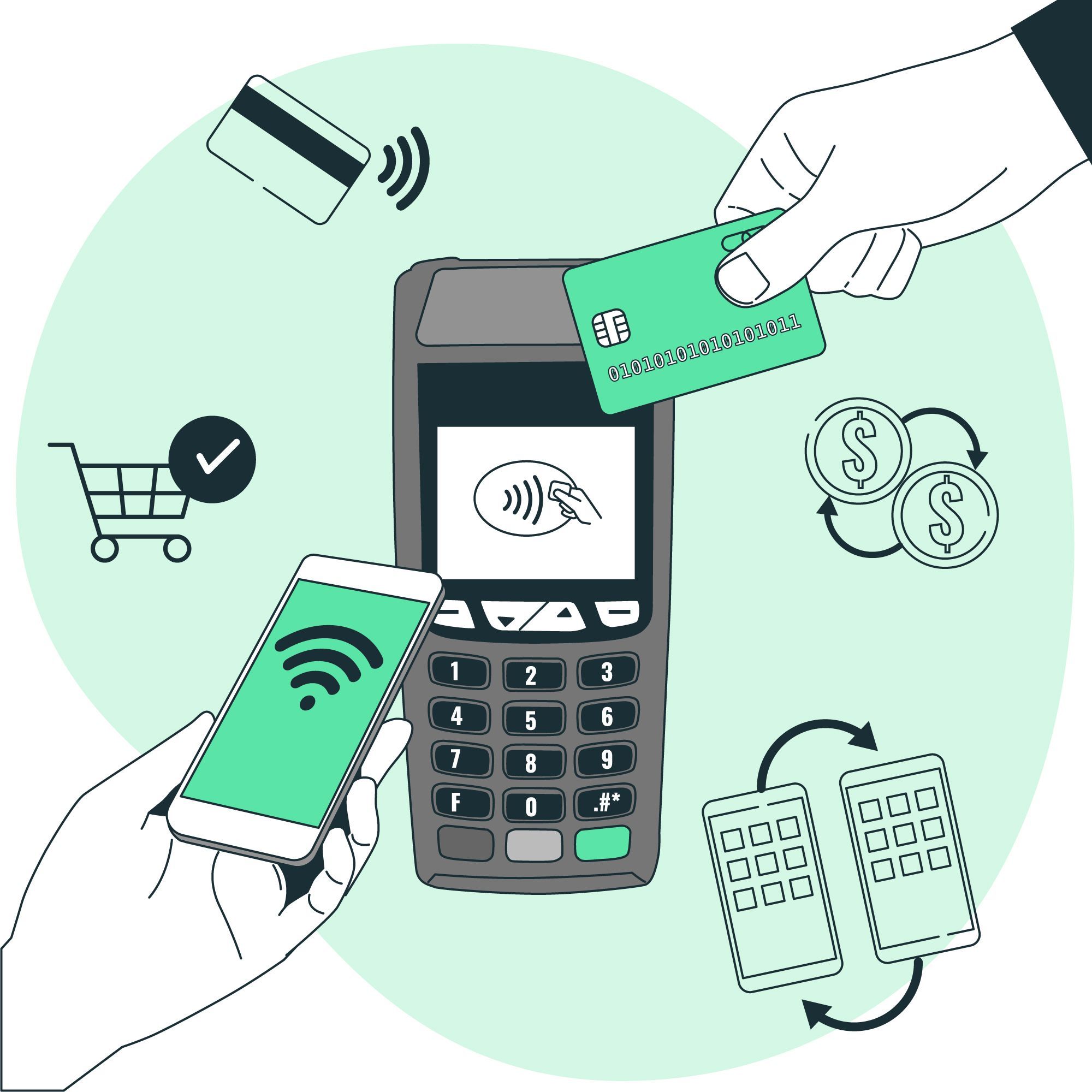
Why Food Courts Are Embracing Cashless Solutions
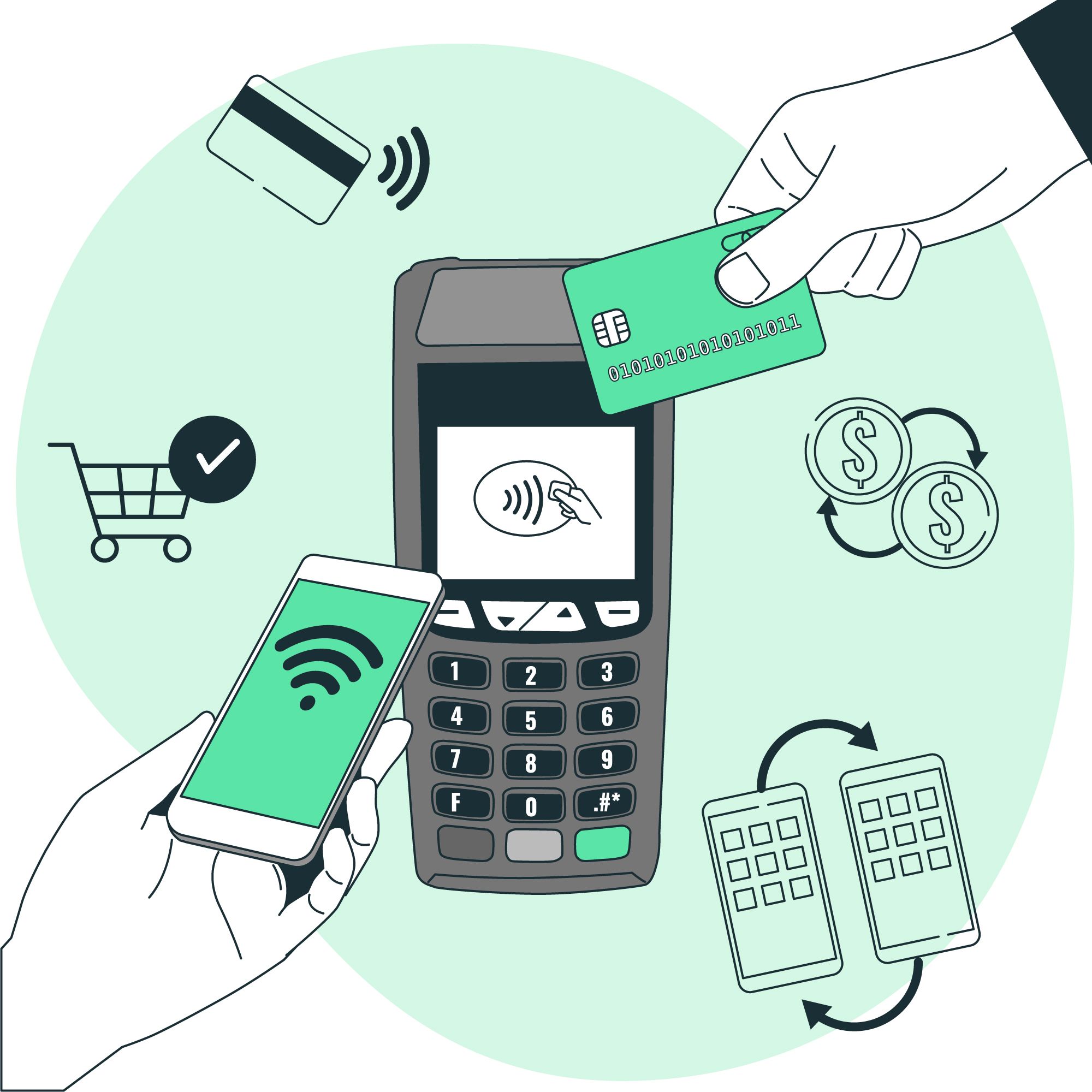
Traditional means of payment are losing ground in a world where technology is fast progressing, as the ease and security of digital payment solutions get the upper hand. The food court business, for example, has enthusiastically welcomed this transformation and is already switching to cashless payment methods. In this article, we'll look at why food courts are making the switch to cashless solutions, as well as the perks that come with it.
Why Are Food Courts Using Cashless Payment Solutions?
For good reason, digital payment solutions for food courts have become the new norm. These options include a variety of digital payment mechanisms, including mobile wallets, contactless cards, and in-app purchases. Let us look at why food courts are quickly embracing these systems:
1. Customer convenience
Convenience is a primary goal for customers in today's fast-paced world, and food courts are no different. By removing the need for clients to carry real currency or wait for change, cashless payment solutions provide incomparable ease. Customers may finish purchases quickly with a simple tap or scan, allowing them to enjoy their meals without the burden of dealing with currency. This degree of simplicity stimulates return visits and improves the overall dining experience, making cashless solutions an appealing alternative for food courts trying to adapt to modern consumers' expectations.
2. Transactions that are completed more quickly
During peak hours, efficiency is critical in the food court sector. Digital payment solutions shorten transaction times dramatically, allowing retailers to service more clients in less time. This speed helps both food court guests who prefer prompt service and sellers who may increase their revenues during busy periods. The ability to process payments in seconds not only reduces wait times but also helps to a more pleasant eating environment.
3. Increased Security
When it comes to financial operations, security is crucial. Customers are protected from theft and fraud by cashless payment systems' sophisticated security measures. To keep sensitive financial information safe, these systems employ encryption technology and secure authentication mechanisms. Customers can dine with confidence, knowing that their personal and financial information is safe from any dangers. This increased security is a major motivator for the use of cashless solutions in food courts.
4. Better Record Keeping
It is critical for food court operators to manage transactions and keep correct financial records. These chores can be completed more efficiently using cashless alternatives. They create digital receipts and transaction records, making it simpler to balance accounts, manage spending, and compile financial reports. This automation reduces the risk of human mistakes associated with manual record-keeping, resulting in increased financial transparency and corporate operations.
5. Availability and Inclusion
Cashless Solution for food courts improves accessibility and inclusion. Many of these systems are designed to accommodate a diverse spectrum of clients, including individuals with impairments. Voice-activated payments, screen readers on mobile applications, and other accessibility features ensure that the cashless payment system is accessible to all. This inclusiveness helps customers while also demonstrating a commitment to serve a varied and inclusive client base.
6. Concerns about Hygiene and Health
Following the COVID-19 outbreak, sanitation and health concerns have taken precedence. Cashless transactions eliminate physical touch, lowering the danger of germ transmission through the exchange of currency. Customers and employees alike like this extra degree of security, making cashless solutions an effective tool for fostering a clean and health-conscious dining environment. As health-conscious consumers value safety, the use of cashless solutions in food courts coincides with these changing expectations.
7. Adjustment to Shifting Consumer Preferences
Consumer tastes are changing, and many people increasingly prefer digital payment alternatives to cash. Cashless food courts are more likely to attract and keep consumers who value the ease and efficiency of digital payments. Food courts may stay competitive in a changing market by staying linked with shifting tastes and ensuring that their payment alternatives resonate with the demands of their target audience. They can improve client happiness and loyalty while increasing income.
8. Preferences for Contactless Dining
Many clients prefer contactless eating experiences in a post-pandemic era. This choice is well aligned with cashless payment solutions, which frequently include contactless payment alternatives such as mobile wallets and NFC-enabled cards. Customers may complete transactions without coming into physical contact with currency, payment terminals, or employees, lowering the danger of germ transmission and improving the appeal of food courts as safe eating alternatives.
9. Lower Cash Handling Fees
Cash management may be costly for organizations. The costs of managing real cash may pile up, from cash counting devices to security precautions and transportation to the bank. Cashless Solution for food courts eliminates these fees, allowing food courts to more efficiently manage resources and perhaps lower operational expenses.
Final Words:-
Incorporating cashless payment solutions in food courts is about more than simply adopting technology; it's about improving the whole eating experience, boosting security, and fulfilling today's customers' changing expectations. These technologies benefit both food court owners and customers by increasing efficiency, safety, and convenience in the eating experience.
Appreciate the creator