Why Fertility Testing Is the First Step Before ICSI Treatment In Yamuna Vihar Delhi
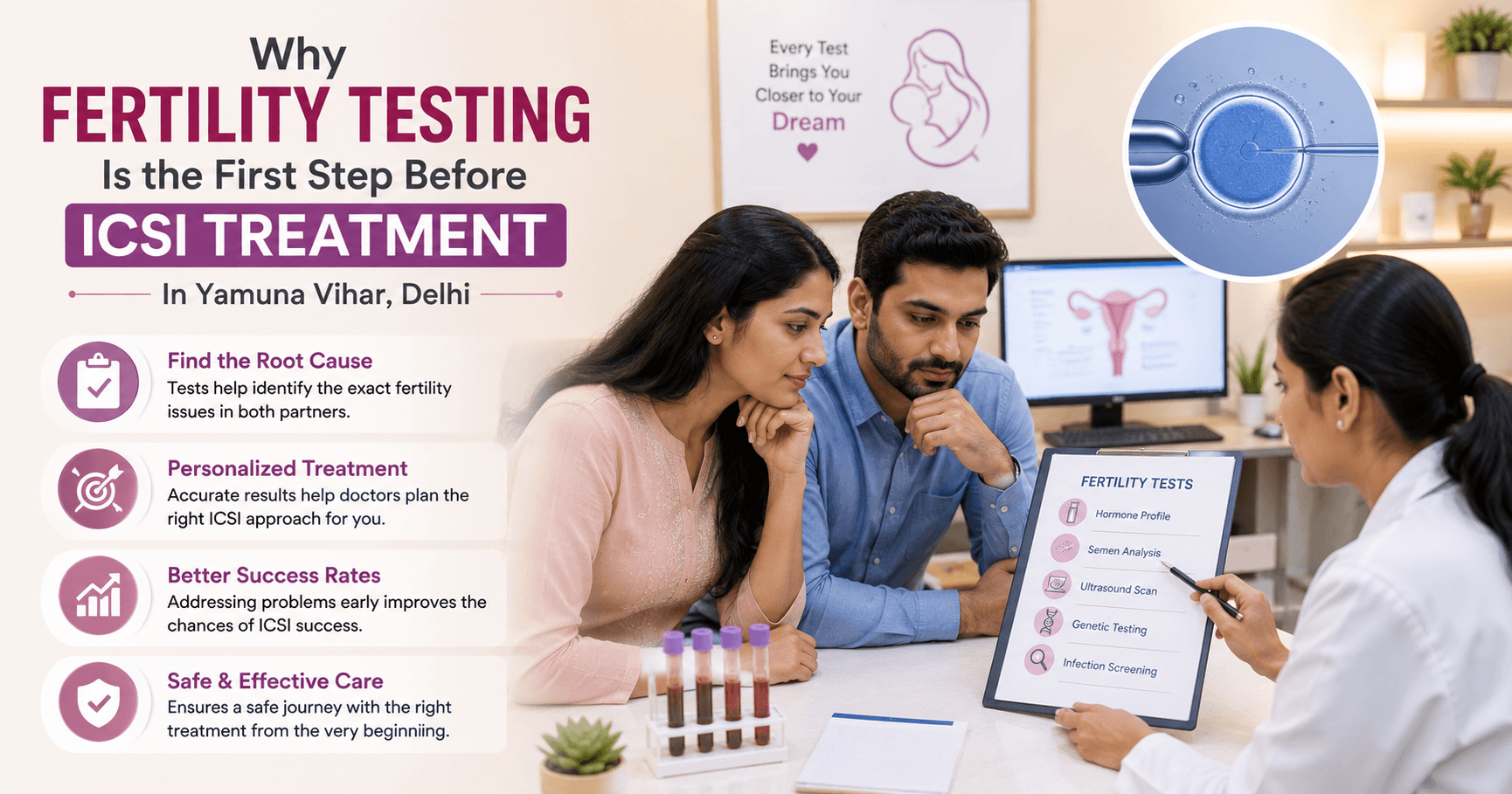
Have you ever wondered why a doctor asks for a full round of tests before even discussing ICSI, when all you want is a treatment plan? It can feel like an extra delay when you're already anxious to start. But this step exists for a good reason.
ICSI treatment in Yamuna Vihar Delhi (https://www.drpoonamgoyal.in/ivf-center-yamuna-vihar-delhi) works best when it's built on clear, accurate information about both partners. Skipping proper testing can mean choosing the wrong protocol or missing a correctable issue entirely. This article explains why testing comes first, and what it actually involves.
Why Can't Couples Just Start ICSI Right Away?
ICSI is a specific procedure, not a one-size-fits-all fix. It works by injecting a single sperm directly into an egg, which is most useful for particular fertility challenges like low sperm count or poor sperm movement.
Without testing, doctors can't confirm if ICSI is even the right approach. Some couples may actually need a simpler treatment, while others may need more evaluation before any procedure begins.
What Does Fertility Testing Actually Check?
Short answer: Fertility testing checks egg reserve, ovulation patterns, sperm count and motility, hormone levels, and structural factors like blocked tubes. These results help doctors confirm the exact cause of infertility and decide whether ICSI, IVF, or a different treatment path fits the couple's specific situation.
Testing isn't a single test. It's usually a combination of blood work, ultrasound scans, and semen analysis, gathered over one or two visits.
What Does Testing Involve for the Male Partner?
Semen analysis: Checks sperm count, motility, and shape
Hormone testing: Reviews testosterone and related hormone levels when indicated
Physical examination: Checks for structural issues like varicocele when relevant
Medical history review: Covers past surgeries, infections, or health conditions affecting fertility
Sperm motility means how well sperm move. Good movement helps sperm reach the egg, which matters for both natural conception and certain fertility treatments.
What Does Testing Involve for the Female Partner?
Hormone panel: Checks levels linked to ovulation and egg reserve
Ultrasound scan: Reviews ovarian reserve and uterine structure
Tubal patency test: Confirms whether fallopian tubes are open or blocked
Cycle history review: Helps identify irregular ovulation patterns
These results, combined with the male partner's report, give doctors a complete picture before recommending treatment.
Why Does ICSI Specifically Need This Testing First?
Short answer: ICSI is often recommended for male factor infertility, but confirming this requires semen analysis first. Without it, doctors can't tell if ICSI addresses the actual problem or if the couple's fertility challenge involves other factors that need a different treatment approach entirely.
This is why a clinic offering the best ICSI treatment in Yamuna Vihar Delhi (https://www.drpoonamgoyal.in/ivf-center-yamuna-vihar-delhi) will typically insist on complete testing before finalising any protocol.
Can Testing Reveal Issues Beyond Sperm or Egg Quality?
Yes. Testing sometimes uncovers unrelated but important findings, like thyroid imbalances, elevated prolactin levels, or untreated infections. These conditions can affect fertility on their own and often need attention before or during treatment planning.
Addressing these issues early can sometimes improve outcomes more than jumping straight into a procedure.
How Long Does the Testing Process Usually Take?
Most fertility testing takes one to three weeks, depending on cycle timing for the female partner and lab turnaround for hormone results. Some tests need to be done on specific days of the menstrual cycle, which can affect scheduling.
Doctors usually explain this timeline clearly, so couples know what to expect before results are ready.
What Happens After Testing Is Complete?
Once results come in, the doctor reviews findings from both partners together. This joint review helps decide whether ICSI, IVF, IUI, or further evaluation is the right next step.
A centre offering a reliable best ICSI centre in Yamuna Vihar Delhi (https://www.drpoonamgoyal.in/ivf-center-yamuna-vihar-delhi) setup typically schedules a detailed consultation to walk couples through these results before recommending a treatment path.
What Can Couples Do Before Their First Fertility Consultation?
Note down menstrual cycle patterns for the past few months
List any previous surgeries, infections, or health conditions
Avoid alcohol and smoking for a few days before semen analysis
Bring any previous test reports to avoid repeat testing
Prepare questions about the testing process and expected timeline
Expert Perspective
Dr. Poonam Goyal often explains that testing both partners together, rather than assuming the issue lies with one person, leads to more accurate treatment planning. Identifying correctable factors early can sometimes change the recommended approach entirely.
This evidence-based step also helps avoid unnecessary procedures. Dr. Poonam Goyal notes that a clear diagnosis gives couples realistic expectations before committing to a specific treatment plan like ICSI.
Key Takeaways
Fertility testing confirms the actual cause of infertility before treatment begins
ICSI is most effective when male factor infertility is clearly identified through semen analysis
Testing both partners helps avoid unnecessary or mismatched treatment choices
Results typically take one to three weeks depending on cycle timing
A clear diagnosis supports more accurate, personalised treatment planning
FAQs
1. Why is testing required before starting ICSI treatment? Testing confirms whether ICSI addresses the actual fertility issue, usually related to sperm count or motility. Without proper testing, doctors cannot recommend the right treatment. Confirming the cause first helps avoid unnecessary procedures and supports better treatment planning for the couple.
2. How long does fertility testing take before ICSI can begin? Most testing takes one to three weeks, depending on menstrual cycle timing for hormone tests and lab turnaround for results. Some tests must be done on specific cycle days, which can affect the overall timeline before treatment planning starts.
3. Does the female partner need testing even if ICSI is for male infertility? Yes. Even when ICSI addresses male factor infertility, doctors still need to confirm the female partner's egg reserve, ovulation pattern, and uterine health. This ensures the treatment plan accounts for both partners' fertility status, not just one side.
4. Can fertility testing reveal problems other than infertility causes? Yes, testing sometimes uncovers unrelated conditions like thyroid imbalances or untreated infections. These findings can affect fertility and general health, so addressing them early often supports better treatment outcomes before or during the ICSI process.
5. What should couples bring to their first fertility testing appointment? Bring any previous test reports, a record of menstrual cycle patterns, and details of past surgeries or health conditions. This helps the doctor avoid repeat testing and speeds up the process of building an accurate treatment plan.
Appreciate the creator