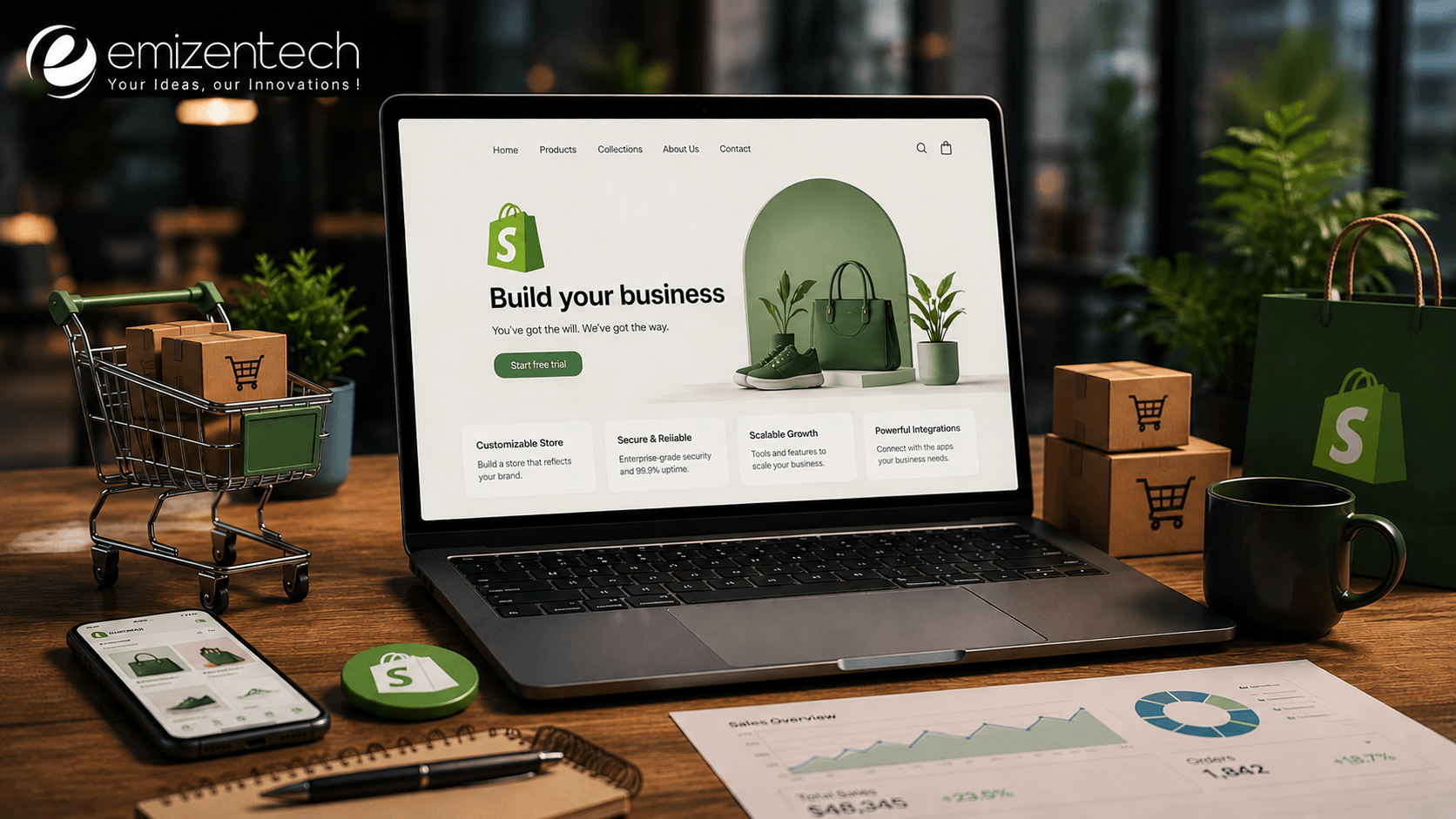
Why Businesses Are Building Their Ecommerce Future on Shopify?
The ecommerce landscape continues to evolve as customer expectations, digital technologies, and market competition become increasingly complex. Businesses today are expected to deliver seamless shopping experiences, adapt to changing consumer behavior, and maintain operational efficiency while pursuing growth. In such an environment, choosing the right platform is no longer just a technical decision—it has become a strategic business priority.
As organizations plan for long-term growth, many are evaluating platforms that can support flexibility, scalability, and innovation. Rather than focusing solely on immediate requirements, businesses are increasingly looking for solutions that can evolve alongside their operations and customer expectations. Building a future-ready ecommerce presence requires a foundation capable of supporting ongoing change without creating unnecessary complexity.
The growing popularity of Shopify reflects this shift toward long-term thinking. Businesses are recognizing the value of platforms that simplify operations while creating opportunities for sustainable growth in an increasingly competitive digital marketplace.
The Importance of Future-Ready Ecommerce Strategies
Digital commerce is no longer a short-term initiative. Businesses must plan for changing technologies, evolving customer preferences, and increasing operational demands. Organizations that focus only on current needs often find themselves making costly adjustments as their requirements grow.
Growth Requires Long-Term Thinking
Businesses rarely remain static. Product catalogs expand, customer bases grow, and operational processes become more complex. Planning for these changes early helps organizations create stronger foundations for future success.
Adaptability Has Become a Competitive Advantage
Companies that can respond quickly to changing market conditions are often better positioned to maintain growth and remain competitive. Flexible ecommerce environments support this adaptability.
Customer Expectations Continue to Shape Ecommerce
Modern consumers expect more from online shopping experiences than ever before. Convenience, speed, personalization, and consistency have become standard expectations rather than optional features.
Customers Expect Simplicity
Shoppers want easy navigation, efficient checkout processes, and quick access to relevant information. Businesses that reduce friction throughout the buying journey often improve customer satisfaction.
Seamless Experiences Encourage Loyalty
Positive customer experiences help strengthen trust and encourage repeat engagement. Long-term customer relationships often begin with consistent digital interactions.
Why Platform Flexibility Matters
As businesses grow, their ecommerce requirements often change. A rigid platform can limit innovation and create challenges when new opportunities emerge.
Businesses Need Room to Evolve
New products, changing customer demands, and emerging sales channels require businesses to remain flexible. A platform that supports evolution allows organizations to adapt without significant disruptions.
Flexibility Supports Innovation
Businesses are more likely to explore new opportunities when their ecommerce environment can accommodate change efficiently. Innovation often plays an important role in long-term growth.
Key Factors Businesses Consider When Planning for the Future
When evaluating ecommerce platforms, organizations typically focus on several important factors.
Important Considerations Include:
Scalability
Customer experience
Operational efficiency
Platform flexibility
Multi-channel capabilities
Data accessibility
Security and reliability
Long-term maintainability
These factors influence both current performance and future growth potential.
Scalability Supports Sustainable Growth
Growth often introduces additional demands on ecommerce operations. Businesses need solutions capable of supporting increased activity without affecting performance.
Expanding Operations Requires Preparation
As transaction volumes increase, systems must continue operating efficiently. Preparation helps businesses avoid disruptions during periods of growth.
Scalable Environments Reduce Future Challenges
Organizations that invest in scalable foundations are often better equipped to handle changing business requirements. This flexibility supports long-term success.
Operational Efficiency Creates Business Value
Efficient operations allow businesses to focus resources on strategic priorities rather than routine administrative tasks. Improved efficiency often contributes directly to stronger business performance.
Simplified Processes Improve Productivity
Reducing unnecessary complexity helps teams operate more effectively. Efficiency gains can positively impact multiple areas of a business.
Better Operations Support Customer Satisfaction
Customers benefit when businesses can process orders, manage inventory, and respond to inquiries efficiently. Operational excellence contributes to better overall experiences.
Multi-Channel Commerce Is Becoming Essential
Today's customers interact with businesses across multiple digital channels before making purchasing decisions. Businesses must support these interactions consistently.
Customers Move Between Channels
Consumers may discover products through social media, research options online, and complete purchases through websites or mobile devices. Supporting these journeys improves engagement.
Unified Experiences Strengthen Brand Consistency
Consistency across channels helps businesses build trust and maintain stronger customer relationships. Unified experiences support long-term growth objectives.
Strategic Development Supports Better Outcomes
Technology alone does not guarantee ecommerce success. Businesses often achieve stronger results when platform implementation is supported by careful planning and strategic decision-making. Many organizations utilize Shopify development services to help align technical implementation with broader business goals, customer experience requirements, and future growth strategies. This structured approach often helps businesses create more effective ecommerce environments while reducing potential implementation challenges.
Data-Driven Decision-Making Supports Continuous Improvement
Modern ecommerce generates valuable insights into customer behavior and operational performance. Businesses that use this information effectively can identify opportunities for growth and optimization.
Insights Help Businesses Adapt
Understanding customer preferences allows organizations to refine strategies and improve experiences. Better information leads to better decisions.
Continuous Improvement Supports Competitiveness
Small improvements implemented consistently over time can create meaningful business advantages. Continuous optimization helps businesses remain relevant in changing markets.
Building for the Future Requires More Than Technology
Successful ecommerce businesses understand that long-term growth depends on a combination of strategy, adaptability, operational efficiency, and customer focus. Technology serves as an important enabler, but sustainable success comes from aligning digital capabilities with broader business objectives. Organizations that adopt a future-focused mindset are often better prepared to navigate change and capitalize on emerging opportunities.
Conclusion
Businesses are building their ecommerce future on Shopify because long-term success requires flexibility, scalability, operational efficiency, and the ability to adapt to changing customer expectations. As digital commerce continues to evolve, organizations need platforms that can support both current requirements and future growth opportunities.
By focusing on customer experience, scalability, multi-channel engagement, and continuous improvement, businesses can create stronger foundations for sustainable success. Organizations that plan for the future today are often better positioned to remain competitive and achieve long-term growth in an increasingly dynamic ecommerce environment.
FAQs
1. Why Are Businesses Focusing More on Future-Ready Ecommerce Platforms?
Businesses want platforms that can support growth, adapt to changing customer expectations, and remain effective as operational requirements evolve.
2. How Does Scalability Influence Ecommerce Success?
Scalability helps businesses manage increasing customer demand, larger product catalogs, and growing transaction volumes without compromising performance.
3. Why Is Customer Experience Important for Long-Term Ecommerce Growth?
Positive customer experiences encourage trust, improve satisfaction, and increase the likelihood of repeat purchases and long-term loyalty.
4. How Do Shopify Development Services Support Ecommerce Growth?
Shopify development services help businesses create ecommerce environments that align with operational goals, customer expectations, and future growth requirements.
5. What Factors Should Businesses Consider When Choosing an Ecommerce Platform?
Key considerations include scalability, flexibility, customer experience, operational efficiency, security, multi-channel support, and long-term maintainability.
Appreciate the creator