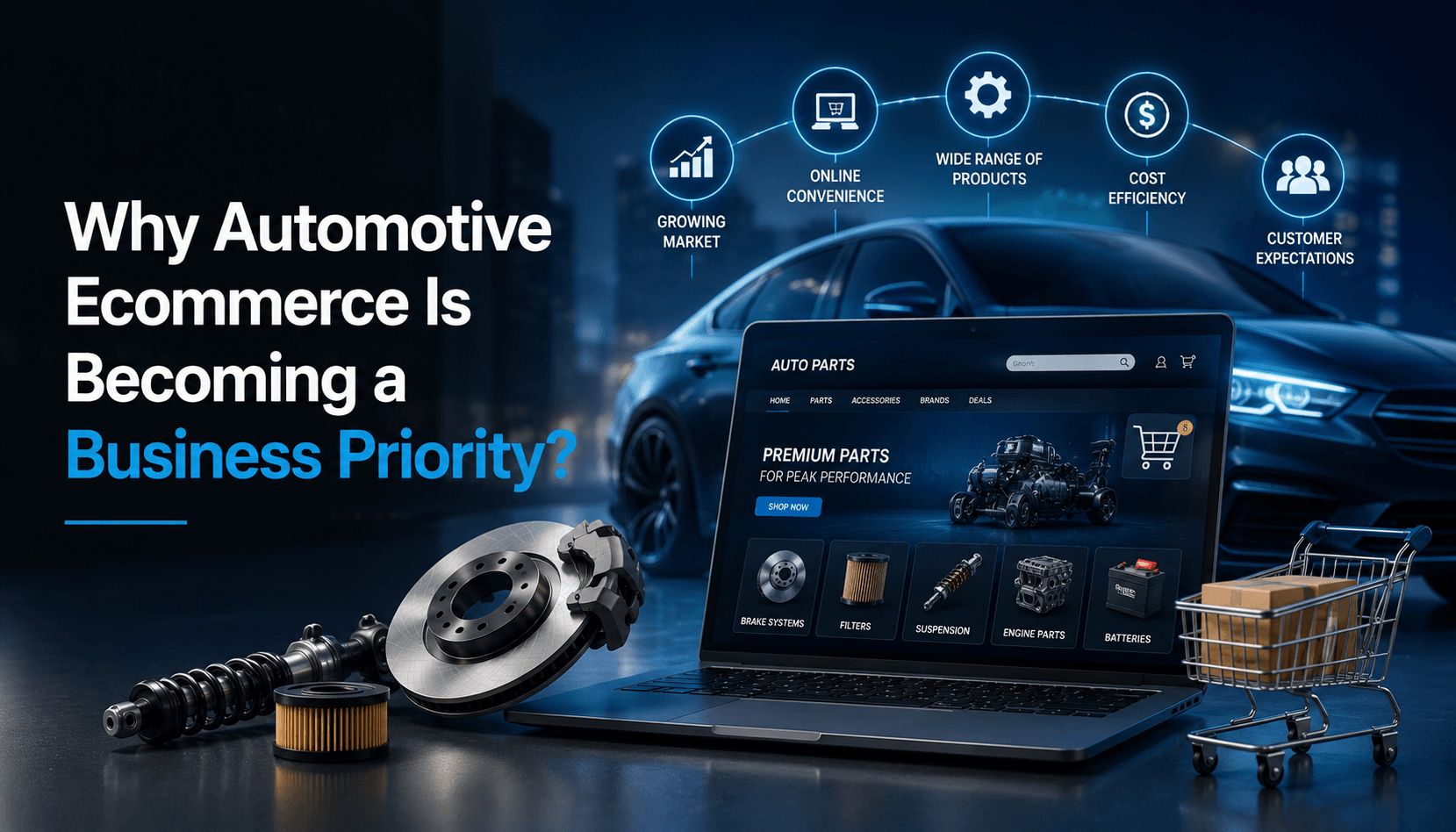
Why Automotive Ecommerce Is Becoming a Business Priority?
The automotive industry is undergoing a significant digital transformation. Customers no longer rely solely on physical locations to research products, compare options, or make purchasing decisions. Instead, they increasingly turn to digital channels for information, convenience, and accessibility throughout the buying journey. As consumer behavior continues to evolve, automotive businesses are reassessing how they engage with customers and manage sales operations. Digital commerce is no longer viewed as an additional channel but as an important component of a broader business strategy. Organizations are recognizing that strong digital capabilities can support customer engagement, operational efficiency, and long-term growth. In an increasingly competitive market, businesses that adapt to changing consumer expectations are often better positioned to remain relevant and capitalize on future opportunities.
The Automotive Buying Journey Has Changed
Customer purchasing behavior has evolved significantly over the past decade. Before making decisions, consumers frequently conduct extensive online research, compare products, review specifications, and evaluate alternatives across multiple digital channels.
Consumers Prefer Independent Research
Modern buyers often gather information on their own before interacting directly with a business. They expect easy access to accurate product details, pricing information, and educational resources.
Digital Interactions Influence Decisions
The quality of a business's online presence can shape customer perceptions long before a purchase occurs. Positive digital experiences often contribute to stronger customer confidence.
Why Digital Commerce Is Gaining Importance?
The growing role of digital channels has encouraged businesses to rethink traditional sales approaches. Customers increasingly expect flexibility and convenience throughout every stage of their interactions.
Accessibility Supports Customer Expectations
Consumers want information available whenever and wherever they need it. Businesses that improve accessibility often create more engaging experiences.
Convenience Drives Engagement
Simple navigation, transparent information, and efficient purchasing processes help reduce friction and improve satisfaction. Convenience remains a key factor in customer decision-making.
Business Growth Requires New Approaches
As automotive businesses expand, operational complexity often increases. Managing larger inventories, broader product ranges, and growing customer demands requires greater coordination than ever before.
Expansion Creates Additional Responsibilities
Growth frequently introduces challenges related to customer service, inventory visibility, and operational management. Organizations must prepare for these changes to maintain performance.
Digital Infrastructure Supports Scalability
Scalable digital environments help businesses accommodate growth while maintaining efficiency and consistency. Preparation helps reduce future operational limitations.
Customer Experience Has Become a Competitive Factor
Businesses are increasingly evaluated based on the quality of the experiences they provide. Customers expect interactions that are fast, reliable, and consistent across different channels.
Trust Influences Purchasing Decisions
Customers are more likely to engage with businesses that provide transparent information and reliable experiences. Trust remains an important driver of customer loyalty.
Consistency Strengthens Relationships
Providing a consistent experience across websites, mobile devices, and other touchpoints helps reinforce customer confidence. Strong customer relationships often contribute to long-term business success.
Automotive Ecommerce Supports Long-Term Business Objectives
As customer expectations continue to evolve, businesses are looking for ways to improve accessibility, efficiency, and engagement. Many organizations view automotive ecommerce as part of a broader strategy for supporting customer interactions, streamlining operations, and creating scalable digital experiences. Rather than focusing solely on immediate sales opportunities, businesses are increasingly considering how digital commerce can contribute to long-term objectives. This shift reflects a growing emphasis on future readiness and sustainable growth.
Why Data Is Becoming More Valuable?
Digital commerce environments generate significant amounts of information related to customer behavior and business performance. Organizations that effectively use these insights are often better positioned to make informed decisions.
Customer Insights Reveal Opportunities
Behavioral data can help businesses understand customer preferences and identify areas for improvement.
Performance Monitoring Encourages Optimization
Regular evaluation allows organizations to refine strategies and improve operational outcomes over time. Data-driven decisions often support stronger business performance.
The Growing Role of Multi-Channel Commerce
Customers rarely interact with businesses through a single channel. They may discover products through social media, conduct research online, and complete purchases through different digital touchpoints.
Connected Experiences Improve Engagement
Customers expect consistency regardless of how they choose to interact with a business. Unified experiences help strengthen customer satisfaction.
Coordination Supports Efficiency
Managing multiple channels effectively helps businesses maintain operational visibility and improve performance. Multi-channel readiness has become increasingly important in modern commerce environments.
Why Strategic Planning Matters?
Digital commerce initiatives are most effective when aligned with broader business objectives. Organizations often evaluate how technology, operations, and customer experiences work together to support future growth. Discussions involving ecommerce services frequently emerge within broader conversations about operational efficiency, scalability, and digital readiness. The focus is often on creating structured approaches that support evolving business requirements rather than addressing isolated challenges.
Strategic planning helps organizations make decisions that align with long-term goals.
Characteristics of Businesses Embracing Automotive Commerce
Organizations prioritizing digital commerce often focus on:
Customer experience improvement
Scalability
Operational efficiency
Multi-channel accessibility
Data visibility
Process optimization
Adaptability
Continuous improvement
These priorities help create stronger foundations for future growth and competitiveness.
Looking Ahead: The Future of Automotive Commerce
The automotive industry will continue to evolve as customer expectations, technologies, and market conditions change.
Businesses that focus on adaptability and long-term planning are often better prepared to navigate these changes successfully.
Future growth will depend on the ability to deliver convenient experiences, manage increasing complexity, and respond effectively to evolving consumer behavior.
Organizations that embrace digital commerce as a strategic priority are generally better positioned to support sustainable success.
Conclusion
Automotive commerce is becoming a business priority because customer behavior, market expectations, and operational requirements are changing rapidly. Businesses must create digital environments capable of supporting customer engagement, scalability, and long-term growth while maintaining operational efficiency.
By focusing on customer experience, strategic planning, operational visibility, and continuous improvement, organizations can build stronger foundations for the future. In an increasingly digital marketplace, adaptability and preparation remain important drivers of long-term business success.
FAQs
1. Why Is Customer Experience Important in Automotive Commerce?
Customer experience influences trust, satisfaction, and purchasing decisions, making it a critical factor in long-term business performance.
2. How Do Ecommerce Services Relate to Digital Commerce Strategies?
Ecommerce services are often discussed in relation to operational efficiency, scalability, customer experience improvements, and digital readiness.
Appreciate the creator