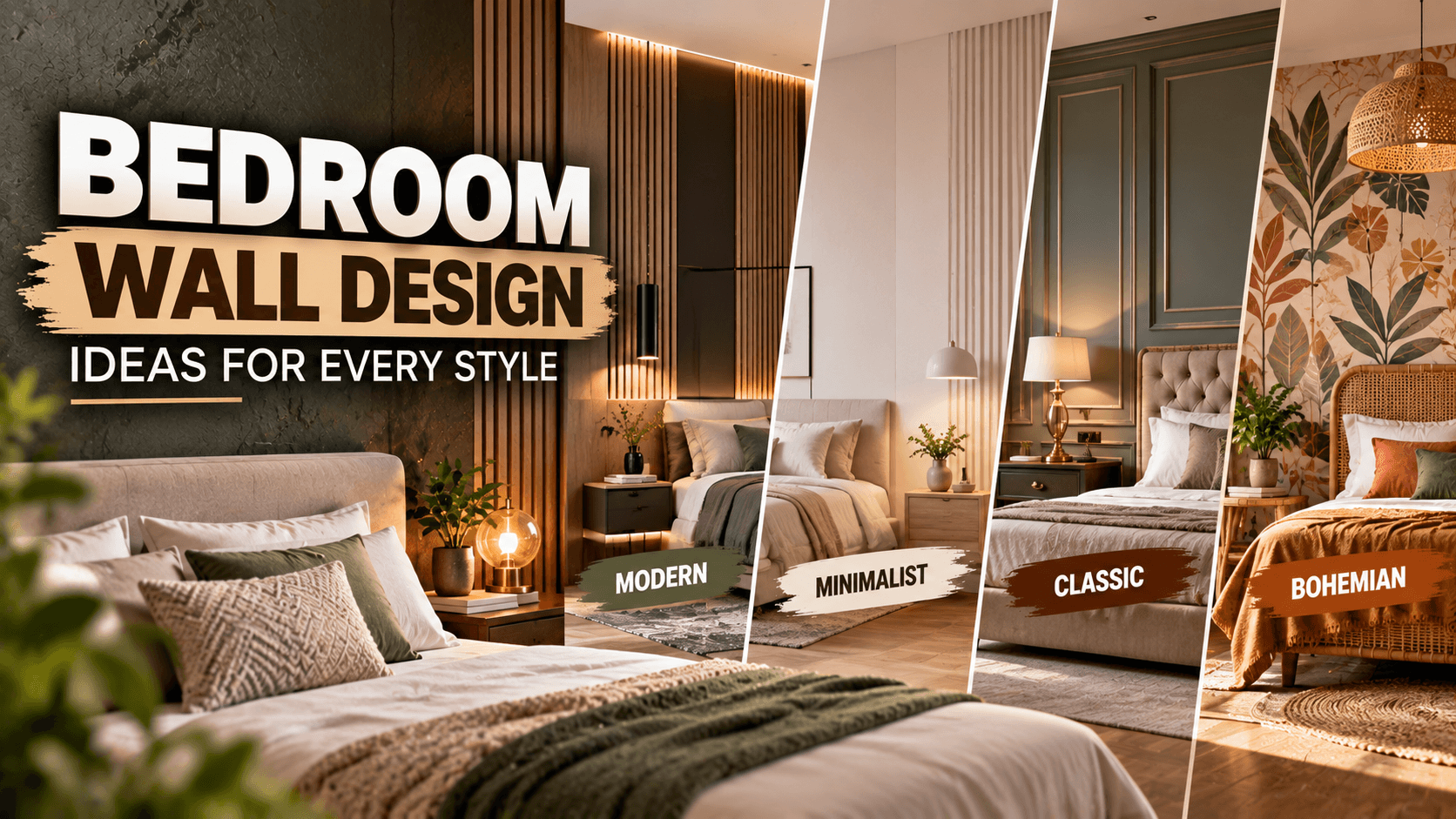
Which Bedroom Wall Design Ideas Work Best for Different Interior Styles?
The best bedroom wall design depends on the overall interior style, room size, lighting, furniture, and the atmosphere you want to create. A modern bedroom may benefit from clean geometric panels, a minimalist room can use subtle textures and neutral tones, while a luxury bedroom may suit marble-inspired finishes, upholstered panels, or carefully designed feature walls. Homeowners exploring bedroom wall design should choose a wall treatment that works with the complete bedroom rather than selecting a design in isolation.
A well-planned bedroom wall can become a visual focal point while supporting the room's comfort and character. The key is to match materials, colors, patterns, textures, and proportions with the interior style.
Which Bedroom Wall Design Works Best for a Modern Interior?
Modern bedrooms generally benefit from clean lines, controlled colors, and simple but visually interesting surfaces.
Good options include:
Geometric wall panels
Wood-inspired panels
Vertical wall detailing
Minimal textured surfaces
Neutral feature walls
Simple fluted or linear designs
A modern bedroom does not need an overly decorative wall. One carefully designed feature wall can create enough visual impact without making the room feel crowded.
The wall behind the bed is often a natural location for this type of design because it can become the room's primary focal point.
What Bedroom Wall Design Suits a Minimalist Bedroom?
Minimalist interiors usually work best with restraint.
Instead of strong patterns or multiple decorative materials, homeowners can consider:
Soft neutral colors
Subtle textures
Simple wall moulding
Plain accent walls
Light wood finishes
Clean vertical or horizontal detailing
The objective is to create visual interest without introducing unnecessary elements.
A minimalist bedroom wall should feel intentional rather than empty.
Using one texture or a controlled architectural detail can add depth while preserving the simplicity of the space.
Which Wall Designs Work Well in a Luxury Bedroom?
Luxury bedrooms often use richer textures, layered materials, and sophisticated color combinations.
Suitable design directions can include:
Marble-inspired wall finishes
Upholstered panels
Fluted wall treatments
Premium wood finishes
Decorative moulding
Textured feature walls
Dark neutrals, warm beige tones, muted metallic accents, and sophisticated textures can contribute to a premium appearance.
However, luxury does not necessarily mean adding more decoration. High-quality materials and balanced proportions often create a more refined result than excessive ornamentation.
What Bedroom Wall Design Is Suitable for a Contemporary Bedroom?
Contemporary bedrooms can combine modern simplicity with stronger decorative elements.
Some suitable approaches include:
Textured feature walls
Vertical panels
Wood and neutral combinations
Geometric patterns
Large-format decorative surfaces
Two-tone wall treatments
A contemporary design can also combine different materials, such as a wood-inspired panel with a painted wall.
The important factor is maintaining a consistent color and material relationship.
Which Bedroom Wall Design Works for a Traditional Interior?
Traditional bedrooms often benefit from warmer colors, classic patterns, and architectural details.
Options can include:
Decorative wall moulding
Panelled walls
Classic wallpaper-inspired patterns
Warm wood finishes
Soft textured surfaces
Symmetrical wall arrangements
Traditional design generally benefits from balance and proportion.
For example, symmetrical panels behind the bed can create a structured appearance that complements classic furniture.
How Can Bedroom Wall Design Work in an Industrial Interior?
Industrial bedrooms often use raw or material-inspired finishes.
A suitable wall can include:
Concrete-inspired textures
Brick-inspired finishes
Dark wood
Metal-inspired accents
Charcoal or grey tones
Minimal geometric detailing
The goal is to create a slightly raw appearance while keeping the bedroom comfortable.
Soft bedding, warm lighting, and natural textures can prevent an industrial wall from making the room feel too cold.
Which Wall Design Works Best for a Scandinavian Bedroom?
Scandinavian interiors generally emphasize simplicity, natural materials, light colors, and comfortable spaces.
A suitable bedroom wall design may include:
Light wood finishes
Soft beige or white tones
Subtle textures
Simple vertical panels
Minimal wall moulding
Natural-looking materials can complement light-colored furniture and warm textiles.
The wall should support the feeling of openness and calm rather than become an overly dominant feature.
What Bedroom Wall Design Works Well for a Bohemian Interior?
Bohemian bedrooms allow more freedom with color, texture, and pattern.
Possible wall treatments include:
Decorative patterned surfaces
Textured finishes
Earthy colors
Natural-material-inspired designs
Layered wall décor
Artistic feature walls
However, the wall should still work with textiles, furniture, artwork, and lighting.
A controlled combination of patterns and textures can create a rich appearance without becoming visually chaotic.
How Should Wall Design Be Chosen for a Small Bedroom?
Small bedrooms require careful control of visual weight.
Light colors, subtle textures, vertical details, and simple patterns can help maintain an open appearance.
Useful approaches include:
Light-colored feature walls
Vertical wall panels
Subtle wood textures
Simple moulding
Limited pattern use
Large, dark, or highly complex patterns can sometimes make a compact room feel more visually enclosed.
The goal is not to avoid feature walls but to control their scale and intensity.
What Wall Design Works Best in a Large Bedroom?
Larger bedrooms provide more freedom to experiment with materials and proportions.
Homeowners can consider:
Large feature walls
Full-height panels
Stronger textures
Darker accent colors
Large-format decorative surfaces
Layered material combinations
A large wall can support a more substantial design without overwhelming the room.
However, the design should still relate to the size and position of the bed, wardrobe, windows, and other major furniture.
Should the Bedroom Wall Behind the Bed Be the Feature Wall?
Often, yes.
The wall behind the bed is naturally positioned as a focal point because the bed is usually the largest piece of bedroom furniture.
A feature wall behind it can use:
Textured panels
Wood-inspired finishes
Upholstered sections
Decorative moulding
Wallpaper-style patterns
Marble-inspired surfaces
The design should frame the bed rather than compete with it.
The wall and headboard should be planned together as one visual composition.
How Do Colors Affect Bedroom Wall Design?
Color strongly influences the visual character of a bedroom.
Light Neutrals
White, cream, beige, and soft grey can create a calm and spacious appearance.
Warm Earthy Shades
Terracotta, muted brown, taupe, and warm beige can create a more grounded atmosphere.
Dark Colors
Charcoal, deep green, navy, or other darker tones can create depth and contrast, particularly in larger bedrooms.
Two-Tone Combinations
Combining a neutral base with a darker accent can create visual hierarchy without requiring complicated decoration.
The best color depends on natural light, artificial lighting, furniture, flooring, and the intended mood of the bedroom.
How Should Bedroom Wall Materials Match the Interior Style?
Material selection should support the room's overall design language.
Interior StyleSuitable Wall Design DirectionModernClean panels, geometric details, wood-inspired finishesMinimalistSubtle texture, neutral colors, simple detailingLuxuryMarble-inspired surfaces, upholstery, premium texturesContemporaryMixed materials, feature panels, controlled contrastTraditionalMoulding, classic panels, warm finishesIndustrialConcrete, brick, dark wood, raw texturesScandinavianLight wood, soft neutrals, simple texturesBohemianEarthy colors, patterns, layered textures
The table should be treated as a starting point rather than a strict rule. Different styles can overlap when materials and colors are coordinated carefully.
What Mistakes Should Homeowners Avoid?
Several common mistakes can reduce the impact of a bedroom wall design.
Using too many patterns in one room.
Choosing a wall design without considering furniture.
Ignoring natural and artificial lighting.
Selecting colors from a showroom without checking them in the bedroom.
Making every wall a feature wall.
Using oversized patterns in a small bedroom.
Combining too many unrelated materials.
Ignoring the relationship between the wall and headboard.
A successful bedroom wall design should complement the room, not compete with everything inside it.
How Can Homeowners Create a Balanced Bedroom Wall?
A simple planning approach can make the design process easier.
Identify the bedroom's interior style.
Choose the primary focal wall.
Consider the room's size and ceiling height.
Select a suitable material or wall treatment.
Choose a controlled color palette.
Coordinate the wall with the bed and headboard.
Consider flooring and wardrobe finishes.
Review the effect under actual room lighting.
Avoid unnecessary decorative elements.
Confirm the final proportions before installation.
This approach helps create a wall design that feels integrated rather than added as an afterthought.
Conclusion
The best bedroom wall design is the one that complements the interior style, room proportions, furniture, lighting, and desired atmosphere. Modern bedrooms can benefit from clean panels and geometric details, minimalist rooms from subtle textures, luxury spaces from richer materials, and traditional interiors from classic moulding and balanced panel arrangements.
There is no single wall design that works for every bedroom. The strongest results come from choosing the right material, color, texture, and scale for the specific room.
Homeowners planning a complete interior can work with a Best Home Interior Company in Aizawl, Mizoram to coordinate bedroom wall treatments with furniture, flooring, lighting, wardrobes, and the wider interior design.
Frequently Asked Questions
1. Which bedroom wall design is best for a modern bedroom?
Clean panels, geometric detailing, wood-inspired finishes, subtle textures, and neutral feature walls can work well in modern bedrooms.
2. Which wall design is best for a small bedroom?
Light colors, subtle textures, vertical details, and simple patterns can help maintain an open visual appearance in smaller bedrooms.
3. Should the wall behind the bed have a different design?
It can. The wall behind the bed is naturally suited to becoming a feature wall because it is usually the room's primary visual focal point.
4. How do I choose a bedroom wall color?
Consider the bedroom's natural light, artificial lighting, furniture, flooring, room size, and desired atmosphere before selecting the final color.
5. Can different bedroom interior styles use wall panels?
Yes. Wall panels can be adapted to modern, minimalist, luxury, contemporary, traditional, Scandinavian, industrial, and other styles by changing the material, texture, color, and pattern.
Appreciate the creator