Which Acne Scar Treatments Work for Different Skin Types?
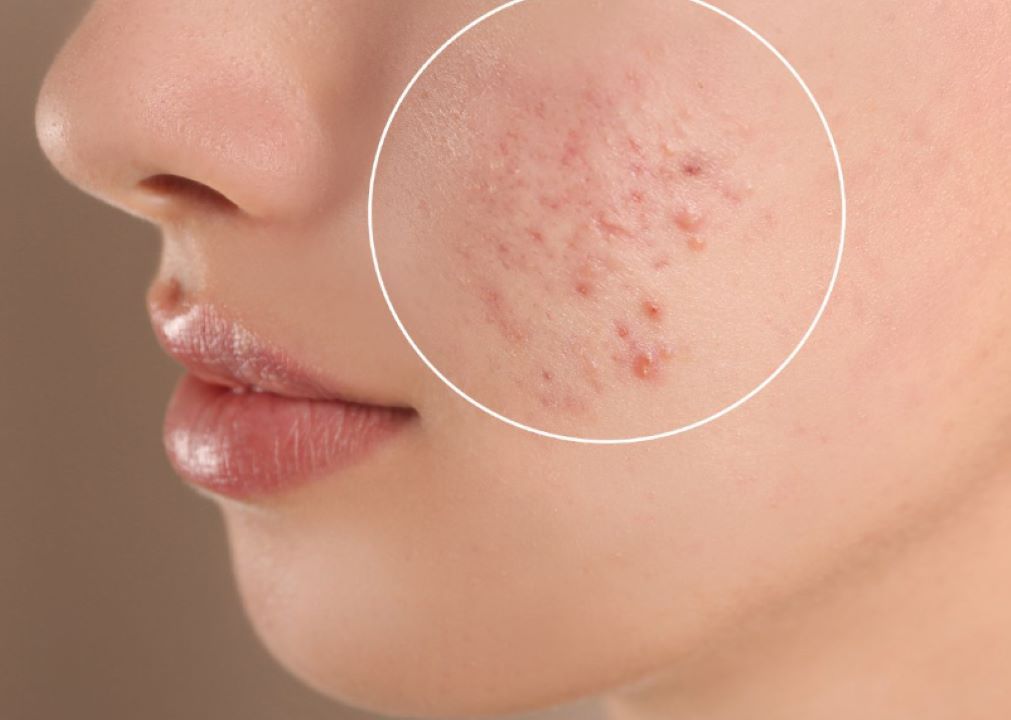
Acne scars can affect the skin long after active acne has cleared. They may appear as depressed scars, raised scars, dark marks, or uneven texture. Because every person's skin responds differently to treatment, there is no single acne scar treatment that works equally well for everyone. Skin type, skin tone, scar depth, sensitivity, and previous treatments all influence the appropriate approach.
For people considering Acne scar treatment in dubai (https://tajmeels.ae/en/skincare-treatment/acne-scar-treatment-in-dubai/), understanding how treatments relate to different skin types can make the consultation process more informed. A qualified professional can assess the skin and recommend an approach based on individual needs rather than relying on a one-size-fits-all procedure.
Why Skin Type Matters in Acne Scar Treatment
Skin type describes characteristics such as oiliness, dryness, sensitivity, and combination patterns, while skin tone relates to the amount of melanin in the skin. Both can influence how the skin responds to procedures.
For example, sensitive skin may require a gentler treatment strategy, while oily skin with active acne may need acne management alongside scar treatment. People with darker skin tones may also require particular consideration when treatments that create controlled skin injury or heat are being considered because of the potential for temporary pigmentation changes.
A professional assessment helps determine the skin's condition, identify the type of acne scarring, and establish realistic treatment goals.
Treatment Options for Oily and Acne-Prone Skin
Oily and acne-prone skin can develop scars because repeated inflammation and picking may damage the skin. Treatment planning often needs to consider both existing scars and ongoing breakouts.
Depending on the scar type and skin condition, options may include microneedling, chemical peels, laser-based treatments, or combination approaches. Microneedling can be considered for certain depressed acne scars because it uses controlled micro-injuries to stimulate the skin's natural repair processes.
However, active inflammatory acne may need to be controlled before aggressive scar procedures are performed. Treating the underlying acne can help reduce the risk of developing additional scars.
Acne Scar Treatments for Dry or Sensitive Skin
Dry or sensitive skin may be more prone to irritation following cosmetic procedures. This does not necessarily mean that professional acne scar treatment is unsuitable, but the treatment intensity and preparation may need to be adjusted.
Gentler chemical peels or carefully selected skin-rejuvenation procedures may be considered depending on the person's skin condition. A practitioner may also recommend improving the skin barrier before treatment and using appropriate post-treatment skincare.
The goal is to address scarring while minimizing unnecessary irritation, prolonged redness, or dryness.
Options for Combination Skin
Combination skin has both oily and drier areas, which can make treatment planning more individualized. Different areas of the face may have different concerns, such as enlarged pores, uneven texture, pigmentation, or depressed scars.
A customized treatment plan may combine procedures or adjust treatment intensity according to the areas being treated. Rather than assuming that the entire face requires the same approach, a professional assessment can help identify which concerns should be prioritized.
Considerations for Darker Skin Tones
Skin tone is particularly important when considering energy-based procedures and certain resurfacing treatments. Individuals with higher melanin levels can have a greater risk of post-inflammatory hyperpigmentation after some forms of skin injury.
This does not mean that people with darker skin cannot receive acne scar treatments. Instead, treatment selection, device settings, skin preparation, and aftercare may need to be carefully considered.
Sun protection is also important because ultraviolet exposure can contribute to pigmentation and interfere with the appearance of treated skin. A qualified practitioner can determine whether a particular treatment is appropriate and how it should be performed for the individual's skin.
How Scar Type Influences Treatment Choice
Skin type is only one part of the decision. The physical type of acne scar is equally important.
Ice-pick scars are narrow and deep and may require techniques specifically designed for deeper scar structures.
Rolling scars create broad depressions and may respond to treatments that encourage collagen remodeling.
Boxcar scars have more defined edges and can vary in depth, meaning treatment selection depends on their individual characteristics.
Raised scars are different from depressed scars and require a different therapeutic approach. Dark spots left after acne are also not technically the same as structural acne scars, so pigmentation-focused treatments may be considered instead.
Why a Personalized Treatment Plan Matters
Effective acne scar management begins with an accurate assessment. During a consultation, factors such as scar type, skin tone, sensitivity, active acne, previous procedures, skincare products, and treatment goals can all be discussed.
Some patients may benefit from a single treatment modality, while others may require a combination approach. Treatments may also be performed in stages to allow the skin sufficient time to recover.
It is important to understand that acne scar treatments generally aim to improve the appearance of scars rather than guarantee complete removal. Results can vary depending on scar severity, skin characteristics, treatment technique, and individual healing.
Acne Scar Treatment at Tajmeels Clinic
At Tajmeels clinic (https://tajmeels.ae/en/), acne scar treatment can be approached with attention to the individual's skin characteristics and aesthetic concerns. The clinic's assessment process can help determine the nature of the scarring and whether options such as microneedling, chemical peels, laser-based procedures, or combination treatments may be appropriate. Treatment planning can take into account skin type, skin tone, scar depth, sensitivity, and desired improvement, helping create a more personalized approach to acne scar treatment in Dubai.
Preparing for Acne Scar Treatment
Before treatment, patients should follow professional instructions regarding skincare and sun exposure. It is also important to disclose previous procedures, medications, active skin conditions, and products currently being used.
After treatment, following the recommended recovery routine can support the skin while it heals. This may include gentle cleansing, appropriate moisturization, sun protection, and avoiding unnecessary irritation.
Final Thoughts
The right acne scar treatment depends on more than simply identifying a procedure. Skin type, skin tone, scar characteristics, active acne, sensitivity, and individual treatment goals all need to be considered. A professional consultation can help determine which options are suitable and establish realistic expectations for improvement.
More Information
Tajmeels Clinic Dubai
WhatsApp: +971 56 203 8751 (https://api.whatsapp.com/send?phone=971562038751&text=%0A%E2%80%AC)
Phone: tel:+971 43739000
Social Media:
Facebook (https://www.facebook.com/people/Tajmeels-Clinic/61592863252149/)
Instagram (https://www.instagram.com/tajmeelsclinic.ae/)
YouTube (https://www.youtube.com/@TajmeelsClinic-wr3ni)
Pinterest (https://www.pinterest.com/tajmeelsclinicae/)
Appreciate the creator