When Should You See a Pulmonologist in Gurgaon?
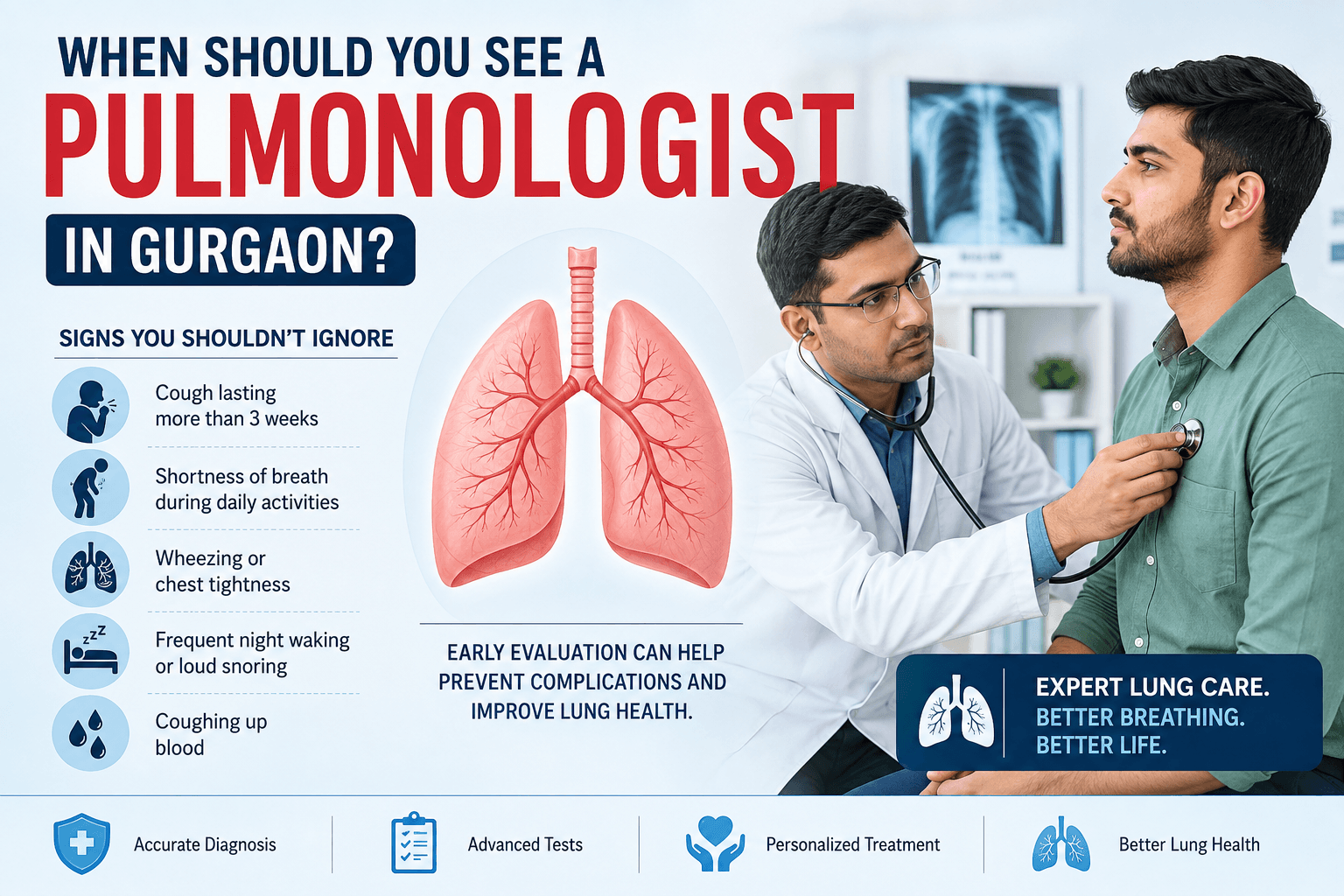
A cough that lingers for a few days usually isn't a big deal. But when breathlessness, chest tightness, or a persistent cough stick around for weeks, your lungs may be trying to tell you something.
Many people manage early lung symptoms with home remedies or over-the-counter syrups. That works fine for a mild cold. It doesn't work for conditions like asthma, chronic bronchitis, or sleep apnea, which need a specialist's eye to catch early. Knowing when to consult a pulmonologist in Gurgaon (https://mayomhospital.com/pulmonology) can prevent a manageable issue from turning into a long-term breathing problem.
This guide explains what a pulmonologist treats, the symptoms worth watching, and when it's time to book an appointment. Mayom Hospital's pulmonology team regularly sees patients who waited months before getting checked, and earlier evaluation almost always leads to easier treatment.
What Does a Pulmonologist Treat?
A pulmonologist is a doctor trained to diagnose and manage conditions affecting the lungs and airways. This includes asthma, chronic obstructive pulmonary disease (COPD), pneumonia, tuberculosis, sleep apnea, and interstitial lung disease.
Unlike a general physician, a pulmonologist uses specific tools like pulmonary function tests and imaging to understand exactly how well your lungs are working, not just whether you have a cough.
Quick answer: A pulmonologist is a specialist who diagnoses and treats lung and airway conditions such as asthma, COPD, pneumonia, and sleep apnea, using tests like spirometry and chest imaging that general physicians typically don't perform.
Common Causes of Lung and Breathing Problems
Breathing issues can develop from several sources:
Smoking or long-term exposure to secondhand smoke
Air pollution and dust exposure
Frequent respiratory infections
Allergies that go untreated
Occupational exposure to chemicals or fumes
Family history of asthma or lung disease
Gurugram's traffic and construction-heavy pockets, along with several industrial belts across Haryana, mean many residents deal with higher pollution exposure, which can worsen existing lung conditions or trigger new ones over time.
Symptoms That Should Not Be Ignored
Some symptoms are easy to dismiss as a lingering cold. Here's what actually needs attention:
Symptom
Possible Cause
Cough lasting more than 3 weeks
Chronic bronchitis, asthma, or infection
Shortness of breath during routine activity
Reduced lung capacity
Wheezing or whistling sound while breathing
Narrowed airways
Chest tightness or pain
Airway inflammation or infection
Frequent night waking or loud snoring
Possible sleep apnea
Coughing up blood
Requires urgent evaluation
If any of these symptoms last more than two to three weeks, it's a good idea to get checked rather than waiting for it to pass.
Who Is at Higher Risk?
Certain groups should be more alert to lung symptoms:
Current or former smokers
People with a family history of asthma or COPD
Those working in dusty, polluted, or chemical-heavy environments
People with frequent allergies or sinus issues
Older adults, especially those with other chronic conditions
If you fall into one of these groups, an annual lung check-up is worth considering even without obvious symptoms.
How Are Lung Conditions Diagnosed?
A pulmonologist usually starts with a physical exam and a detailed history, then moves to specific tests:
Spirometry – measures how much air you can breathe in and out
Chest X-ray or CT scan – checks for infection, scarring, or structural issues
Pulse oximetry – measures oxygen levels in the blood
Sleep study – used when sleep apnea is suspected
Sputum test – checks for infections like tuberculosis
These tests together help pinpoint the exact cause instead of just treating symptoms.
When Should You See a Pulmonologist?
Book an appointment with a chest specialist in Gurgaon (https://mayomhospital.com/pulmonology) if you notice a cough that won't go away, breathlessness during simple tasks like climbing stairs, recurring chest infections, or wheezing that interferes with daily life.
Quick answer: See a pulmonologist if you have a cough lasting over three weeks, breathlessness with routine activity, recurring chest infections, or loud snoring with breathing pauses at night. Early evaluation prevents complications and improves long-term lung health.
Treatment Options for Lung Conditions
Treatment depends on the diagnosis and how far the condition has progressed:
Inhalers and medications – For asthma and COPD, inhalers help open airways and reduce inflammation. Antibiotics treat bacterial infections like pneumonia.
Pulmonary rehabilitation – A structured program of breathing exercises and physical training that helps patients with chronic lung disease manage symptoms and stay active.
Sleep apnea therapy – Options range from lifestyle changes to CPAP machines that keep airways open during sleep.
Oxygen therapy – Used for patients whose oxygen levels drop significantly due to advanced lung disease.
At Mayom Hospital, the best pulmonologist in Gurgaon (https://mayomhospital.com/pulmonology) works with each patient to build a treatment plan suited to their specific lung condition, rather than a one-size-fits-all approach.
Recovery and What to Expect
Condition Type
Typical Recovery Outlook
Acute infection (pneumonia, bronchitis)
Full recovery in 1-3 weeks with treatment
Asthma
Long-term management with occasional flare-ups
COPD
Ongoing management to slow progression
Sleep apnea
Significant improvement with consistent therapy
Most patients with chronic conditions see real improvement once they stick to their treatment and follow-up schedule.
Prevention and Lifestyle Tips
A few consistent habits go a long way in protecting your lungs: avoid smoking and secondhand smoke, wear a mask in high-pollution areas, treat allergies and infections promptly instead of ignoring them, stay active to keep your lungs working well, and get vaccinated against flu and pneumonia if your doctor recommends it.
When to See a Doctor Immediately
Some symptoms call for urgent care rather than a scheduled visit: sudden severe breathlessness, blue-tinged lips or fingertips, chest pain along with difficulty breathing, or coughing up blood. Don't wait these out. Head to a hospital with emergency respiratory care right away.
Summary
Persistent cough, breathlessness, wheezing, or chest tightness are signals worth taking seriously, especially if they last beyond a few weeks. Risk rises for smokers, people with polluted work environments, and those with a family history of lung disease. Diagnosis relies on tests like spirometry and imaging, and treatment ranges from inhalers to pulmonary rehabilitation, depending on the condition.
Conclusion
Lung symptoms are easy to brush off until they start affecting daily life. If a cough, breathlessness, or unusual fatigue has been sticking around, getting evaluated early makes treatment simpler and more effective.
If you're looking for a pulmonologist in Gurgaon, Mayom Hospital's respiratory care team offers thorough evaluation, diagnostic testing, and personalised treatment plans for both acute and chronic lung conditions.
Frequently Asked Questions
1. When should I worry about a persistent cough? A cough lasting more than three weeks, especially if it's accompanied by breathlessness, fever, or chest pain, needs medical evaluation. Short-term coughs from colds usually clear up on their own, but a lingering one can signal asthma, chronic bronchitis, or an infection that needs proper diagnosis and treatment rather than home remedies alone.
2. What is the difference between asthma and COPD? Asthma usually starts in childhood and involves reversible airway narrowing triggered by allergens, cold air, or exercise. COPD develops gradually, mostly in smokers or long-term pollution-exposed individuals, and causes progressive, less reversible airflow limitation. Both conditions cause wheezing and breathlessness, but a pulmonologist uses spirometry and detailed history-taking to tell them apart and plan the right treatment.
3. Can lung damage from smoking be reversed? Some damage can improve after quitting, especially in the early stages, as lung function partially recovers over several months. However, advanced damage like emphysema is largely permanent and doesn't reverse fully. Quitting still slows further decline significantly and reduces the risk of complications, which is why stopping smoking remains the single most effective step at any stage of lung disease.
4. Is snoring a sign of a serious problem? Occasional light snoring is usually harmless. But loud, frequent snoring with noticeable pauses in breathing, gasping at night, or daytime fatigue can indicate sleep apnea. This condition affects oxygen levels during sleep and raises long-term health risks like high blood pressure if left untreated. A sleep study ordered by a pulmonologist can confirm the diagnosis and guide the right treatment.
5. How often should I get a lung check-up? People with no symptoms or risk factors don't usually need routine lung testing. However, smokers, those with occupational dust or chemical exposure, or anyone with a family history of lung disease should consider an annual check-up. Anyone with ongoing symptoms like cough, wheezing, or breathlessness should see a specialist regardless of how recently they were last tested.
Appreciate the creator