When Do Oncologists Recommend Chemotherapy During Cancer Treatment?
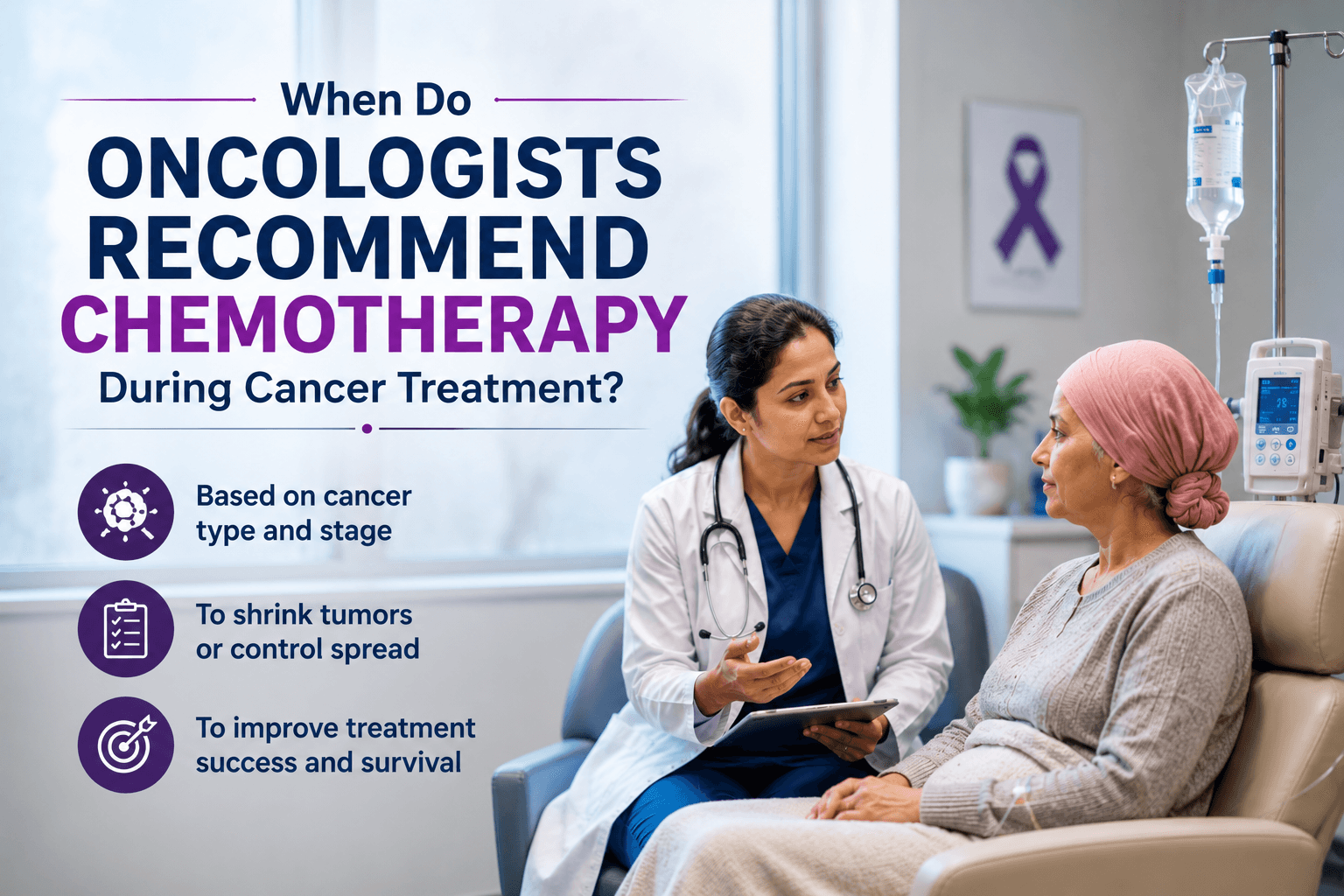
A cancer diagnosis brings a flood of decisions, and one of the biggest questions patients ask is whether chemotherapy is actually necessary for their case. The truth is, chemotherapy isn't used for every cancer or every stage. Oncologists weigh several factors before recommending it, and understanding those factors can make the decision feel less overwhelming.
This article walks through when chemotherapy is typically recommended, what influences that decision, and what patients can expect once it's part of the plan. At Mayom Hospital, this conversation usually happens early, so patients understand not just what treatment involves, but why it's suggested in their specific case.
What Chemotherapy Is Actually Used For
Chemotherapy uses drugs to destroy or slow the growth of cancer cells. It works throughout the body, unlike surgery or radiation, which target a specific area — useful for cancers that have spread, or for lowering the risk of recurrence after other treatments.
Chemotherapy isn't always the first or only treatment. Depending on the case, it may work alongside surgery, radiation, immunotherapy, or hormone therapy, rather than replacing them.
Key Factors That Influence the Decision
Oncologists consider several things before recommending chemotherapy:
Cancer type — some cancers respond well to chemotherapy, others don't
Stage of cancer — early localized cancers may not need it, advanced or spread cancers often do
Tumor grade — faster-growing, more aggressive cells are more likely to need it
Genetic and biomarker testing — some tumors carry markers that predict response
Overall health — organ function and general fitness affect what the body can tolerate
Patient goals — for some advanced cases, the goal shifts from cure to controlling symptoms
No single factor decides the plan on its own. Oncologists typically weigh all of these together before recommending an approach.
When Chemotherapy Is Commonly Recommended
There are a few common scenarios where chemotherapy tends to be part of the plan:
Situation
Why Chemotherapy Is Used
Cancer has spread (metastatic)
Treats cancer cells throughout the body
Before surgery (neoadjuvant)
Shrinks tumors to make surgery easier
After surgery (adjuvant)
Kills remaining cancer cells to lower recurrence risk
Fast-growing or aggressive tumors
Slows rapid cell division
Blood cancers like leukemia
Chemotherapy is often the primary treatment
Some cancers, particularly certain early-stage, slow-growing tumors, may be treated effectively with surgery or radiation alone, without needing chemotherapy at all.
Neoadjuvant vs Adjuvant Chemotherapy
These two terms come up often and confuse many patients, so it helps to break them down.
Neoadjuvant chemotherapy is given before the main treatment, usually surgery. The goal is to shrink the tumor first, which can make surgery less extensive or even possible when it was initially too large to remove safely.
Adjuvant chemotherapy is given after the main treatment, typically to clean up any cancer cells that surgery or radiation might have missed. This is common for cancers with a moderate to high risk of returning.
How Oncologists Decide on the Right Regimen
Once chemotherapy is recommended, the specific drugs and schedule depend on the cancer type and the patient's overall condition. A biopsy and imaging tests confirm the exact type and extent of the cancer, which guides which drugs are likely to work best.
For example, a patient with early-stage breast cancer showing aggressive biomarkers on genetic testing might be recommended adjuvant chemotherapy after surgery, even though the tumor was caught early, because the biomarker profile suggests a higher chance of recurrence without it.
What Happens If Chemotherapy Isn't Recommended
Not being prescribed chemotherapy doesn't mean less serious treatment. Some patients do better with:
Surgery alone, for small, localized, slow-growing tumors
Radiation therapy, which targets a specific area with high-energy beams
Hormone therapy, for cancers driven by hormones like certain breast or prostate cancers
Targeted therapy, which attacks specific genetic mutations without affecting healthy cells the way chemotherapy does
The right treatment is the one matched to the specific cancer, not necessarily the most aggressive option available.
Questions Patients Often Ask Their Oncologist
A quick answer for those searching this: oncologists recommend chemotherapy when cancer has spread, when a tumor is fast-growing, or when there's a meaningful risk of recurrence after surgery. The decision is based on cancer type, stage, biomarker testing, and the patient's overall health.
Patients exploring the best chemotherapy treatment in Gurgaon (https://mayomhospital.com/chemotherapy) often ask their oncologist:
Why is chemotherapy being recommended for my specific case?
What are the alternatives, and why weren't they chosen instead?
What outcomes does chemotherapy typically achieve for this cancer type?
Asking these questions helps patients understand the reasoning, not just the recommendation itself.
Summary
Chemotherapy isn't a default treatment — it's recommended based on the specific type, stage, and behavior of the cancer, along with the patient's overall health and treatment goals. Some patients need it before surgery, some after, and some don't need it at all. Understanding why it's recommended in a specific case makes the decision easier to accept and act on.
Frequently Asked Questions
Does every cancer patient need chemotherapy?
No. Chemotherapy is recommended based on cancer type, stage, and how aggressive the tumor is. Many early-stage, slow-growing cancers respond well to surgery or radiation alone. An oncologist reviews biopsy results, imaging, and biomarker testing before deciding whether chemotherapy adds meaningful benefit to the treatment plan.
What's the difference between chemotherapy before and after surgery?
Chemotherapy given before surgery, called neoadjuvant treatment, shrinks the tumor to make surgery easier or possible. Chemotherapy given after surgery, called adjuvant treatment, targets any remaining cancer cells to lower the chance of the cancer returning. The choice depends on tumor size and recurrence risk.
How do oncologists decide which chemotherapy drugs to use?
The choice depends on the cancer type, its genetic and biomarker profile, and how advanced it is. Biopsy results and imaging tests confirm these details, which guide the oncologist toward drug combinations shown to work best for that specific cancer type and patient profile.
Can I ask for a second opinion before starting chemotherapy?
Yes, and it's a reasonable step for many patients, especially with a new or complex diagnosis. A second opinion can confirm the recommended approach or highlight alternative options. Most oncologists support this and can share records to make the process smoother.
If chemotherapy isn't recommended for me, does that mean my cancer is less serious?
Not necessarily. Some cancers respond better to surgery, radiation, hormone therapy, or targeted therapy than to chemotherapy. The treatment choice reflects what works best for that specific cancer type, not how serious the diagnosis is.
Conclusion
Chemotherapy is one tool among several in cancer care, and it's recommended based on careful evaluation rather than routine. Knowing what goes into that decision can make a difficult diagnosis feel a little more manageable.
If you're weighing treatment options, the oncology team at Mayom Hospital in Gurugram takes time to explain the reasoning behind each recommendation, helping patients make informed decisions about their care.
Appreciate the creator