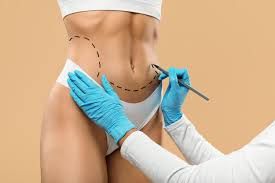
When Can You Exercise After Liposuction in Dubai?
Liposuction is a surgical body-contouring procedure designed to remove localized fat deposits and improve the shape of specific areas. While the procedure can enhance body contours, recovery is an important part of achieving a smooth and healthy outcome. One of the most common questions patients have is: when can you exercise after Liposuction in Dubai (https://tajmeels.ae/en/plastic-surgery/liposuction-surgery-in-dubai/)?
The answer depends on the treatment area, amount of fat removed, overall health, healing progress, and your surgeon's postoperative instructions. Although some patients may return to light activities relatively soon, strenuous exercise usually needs to wait until the body has had enough time to heal. The American Society of Plastic Surgeons notes that activity is significantly limited during the first week, while exercise remains restricted during weeks two and three; gradual increases in activity may begin around week six when appropriate.
Why Exercise Restrictions Matter After Liposuction
Liposuction creates small surgical openings and causes temporary swelling, bruising and tissue inflammation. The body needs time to repair the treated tissues and adjust to the new contours.
Returning to demanding workouts too quickly can place unnecessary stress on healing areas. Activities involving heavy lifting, vigorous movement or repeated pressure may increase discomfort and swelling and can interfere with wound healing.
For this reason, recovery should not be viewed as lost fitness time. It is an important stage of the treatment process. Following a gradual activity plan can help you return to your normal routine without unnecessarily stressing your healing body.
When Can You Start Walking After Liposuction?
Walking is generally one of the earliest forms of movement encouraged after surgery, provided your surgeon has cleared you to move. Short, gentle walks can support circulation while avoiding the intensity of a conventional workout.
The American Society of Plastic Surgeons recommends getting up and walking periodically during recovery, while avoiding heavy lifting and strenuous exercise until the surgeon provides clearance.
During the early days, walking should be comfortable rather than challenging. You can gradually increase the duration as your energy and comfort improve. If walking causes increased pain, significant swelling or other concerning symptoms, stop and contact your healthcare provider.
A General Liposuction Exercise Timeline
Every recovery is individual, so the following timeline should be considered a general guide rather than a personal medical schedule.
First Week: Focus on Recovery
The first week is generally focused on rest, wound care, swelling management and gentle movement. The ASPS describes this period as one in which activity should be significantly limited.
Short walks may be appropriate when permitted, but running, gym workouts, heavy lifting and strenuous household activities should generally be avoided.
Weeks 2–3: Gradual Daily Activity
Many patients begin feeling better during the second and third weeks. However, this does not necessarily mean the body is ready for intense exercise.
ASPS guidance continues to recommend limiting exercise and activities during this stage.
You may gradually resume normal daily activities according to your surgeon's instructions, while continuing to monitor swelling, soreness and energy levels.
Weeks 4–5: Assessing Recovery
By weeks four and five, bruising often improves and swelling may begin to decrease.
Depending on your healing progress, your surgeon may allow a gradual increase in physical activity. This is the stage when individualized medical guidance becomes particularly important because not every patient follows the same recovery pattern.
Around Week 6 and Beyond: Gradual Return to Exercise
For many patients, regular physical activities can be introduced progressively around six weeks, but clearance should come from the treating surgeon. Cleveland Clinic notes that returning to regular physical activities such as exercise can take up to six weeks after liposuction.
Start with lower-intensity activities before progressing toward demanding workouts. Your surgeon may recommend additional restrictions depending on the treated areas and your recovery.
When Can You Return to Strength Training?
Strength training requires particular caution because lifting weights can increase physical strain and pressure on healing tissues.
Exercises involving the abdomen, thighs, hips or other treated areas may need additional recovery time. Instead of immediately returning to your previous weights, a gradual progression is generally more appropriate once your surgeon provides clearance.
Listen to your body. Persistent pain, increasing swelling or discomfort during exercise can indicate that you are progressing too quickly.
What About Running, Cycling and High-Intensity Workouts?
Running, jumping, HIIT workouts and other high-impact exercises place considerably more demand on the body than gentle walking. They may therefore need to be delayed until sufficient healing has occurred.
The goal is not simply to reach a particular number of days after surgery. Your ability to exercise should also reflect how your incisions, swelling, discomfort and treated tissues are progressing.
How Tajmeels Clinic Supports Liposuction Recovery in Dubai
At tajmeels clinic dubai (https://tajmeels.ae/en/), postoperative care can be an important part of the liposuction journey. Recovery guidance may be tailored around the treatment area, procedure details, individual healing response and lifestyle goals. Patients can discuss questions about compression garments, daily movement, returning to work and gradually resuming exercise during follow-up care.
A personalized approach is valuable because recovery after liposuction is not identical for everyone. Factors such as the areas treated and amount of tissue affected can influence how quickly normal activities can be resumed.
Tips for Returning to Exercise Safely
When your surgeon gives you permission to exercise, consider the following:
Begin with low-impact activities.
Increase workout intensity gradually.
Stay hydrated during recovery.
Follow instructions regarding compression garments.
Avoid exercising through significant pain.
Do not ignore increasing swelling or unusual symptoms.
Attend scheduled follow-up appointments.
Follow your surgeon's individual exercise restrictions rather than comparing your recovery with someone else's.
The ASPS emphasizes that patients should follow their surgeon's instructions because excessive force, swelling, abrasion or movement can interfere with healing incisions.
The Bottom Line
Returning to exercise after liposuction in Dubai should be a gradual process rather than a race. Gentle walking may be introduced early when medically appropriate, while strenuous workouts, heavy lifting and high-impact activities generally require a longer recovery period. Many patients may return toward normal physical activity around the six-week mark, but individual clearance is essential.
A carefully managed recovery can give your body time to heal while allowing you to progressively return to an active lifestyle. Always follow the specific postoperative instructions provided by your qualified surgical team.
More Information
Tajmeels Clinic Dubai
WhatsApp: +971 56 203 8751 (https://api.whatsapp.com/send?phone=971562038751&text=%0A%E2%80%AC)
Phone: tel:+971 43739000
Social Media:
Facebook (https://www.facebook.com/people/Tajmeels-Clinic/61592863252149/)
Instagram (https://www.instagram.com/tajmeelsclinic.ae/)
YouTube (https://www.youtube.com/@TajmeelsClinic-wr3ni)
Pinterest (https://www.pinterest.com/tajmeelsclinicae/)
Appreciate the creator