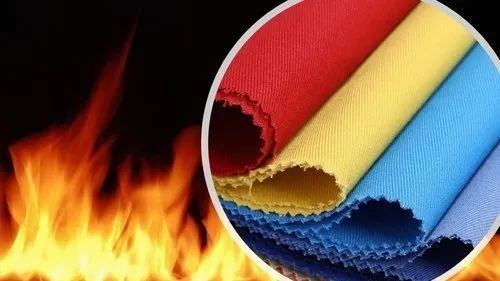
What to Look for When Sourcing Fire Retardant Fabric
Sourcing fire retardant fabric well requires looking well past the product description on a supplier's website and genuinely verifying the specific claims that actually matter for long-term compliance and durability once the fabric is actually installed and in daily use. Few buyers think this through in advance, yet it shapes the outcome more than almost anything else discussed here. This tends to matter far more once a facility scales beyond a single site or location.
A short list of checks carried out before committing to an order protects against costly mismatches that would otherwise only be discovered after installation, when correcting the problem becomes considerably more disruptive, time-consuming, and expensive to put right. Paying attention to this early tends to pay for itself many times over across a project's lifetime. It costs nothing to ask about this early, and the answer often changes the entire decision.
Reliable fire retardant fabric suppliers will provide test certificates, care instructions, and full batch traceability without requiring repeated follow-up requests from the buyer at every stage of the process. Getting this part right at the start saves considerable time and cost further down the road. It is worth raising directly during the very first supplier conversation, not after an order has already shipped.
Request Independent Test Certification
Ask for certification from a recognised independent testing body rather than relying solely on the manufacturer's own internal claims of compliance, which carry considerably less weight during any later audit or insurance review process further down the line. This becomes especially important once more than one site or building is involved in the decision. Most experienced buyers learn this lesson only after a project has already gone sideways once.
Understand Washing and Care Requirements
Topically treated fabrics can genuinely lose flame resistance after repeated industrial laundering cycles carried out over time. Confirm the care instructions actually match how the fabric will be maintained in real service, not just how it is described in a glossy brochure. That single distinction ends up separating a smooth project from a genuinely frustrating one down the line. Over several projects, this becomes one of the clearest signals of a supplier worth keeping long term.
Check Colourfastness and Durability
Fabric used in high-traffic commercial settings needs to hold its colour and structural integrity under regular cleaning, not merely pass a one-time flame test in a controlled laboratory environment far removed from real conditions. It is the kind of detail that only becomes obvious once something has already gone wrong. This single question, asked early enough, tends to filter out weaker suppliers almost immediately.
Confirm Lead Time and Minimum Order Volumes
Project timelines often hinge heavily on fabric delivery, so confirm realistic lead times and whether minimum order quantities genuinely fit your project scale before finalising a chosen supplier for the entire order. It is a small upfront question that can prevent a much larger headache several months later. A brief conversation about this upfront usually resolves any ambiguity before it becomes a real issue.
Conclusion
Sourcing decisions made carefully in 2026, rather than purely on price, help ensure the fabric performs reliably across its entire service life, not just at the initial point of installation and handover to the client. This is a detail that buyers often overlook until it quietly becomes a real problem later on. Facilities that plan ahead on this point rarely regret the extra effort involved.
Visit: http://www.insofire.com
Appreciate the creator