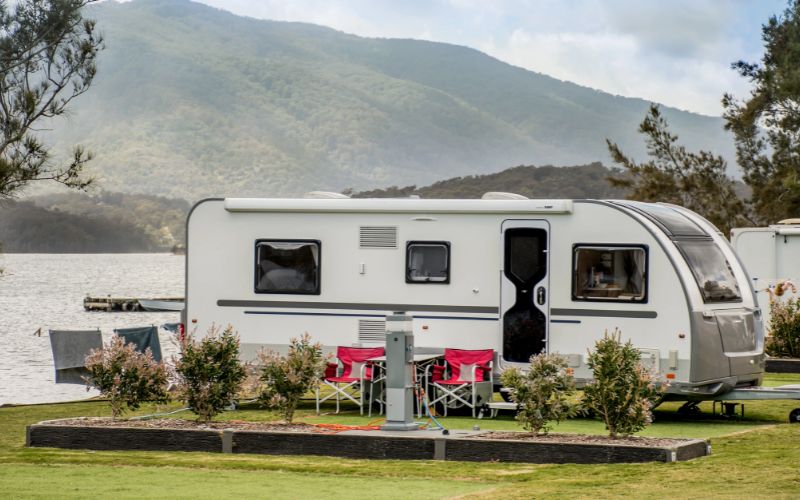
What to Look for When Buying a Used RV
Buying a used RV can be exciting, but it can also be tricky if you don’t know what to look for. A used RV can give you all the comfort and freedom of the open road without paying full price for a new one. However, it’s important to check the RV carefully before making a purchase. Here is a detailed guide to help you make the best choice when buying a used RV.
1. Know Your Needs
Before you start looking at used RVs, you need to know what you want. Ask yourself:
How many people will usually travel with you?
Will you use it for short trips or long-term living?
Do you prefer a motorhome, a travel trailer, or a fifth wheel?
Knowing your needs will help you focus on RVs that fit your lifestyle and avoid wasting time on vehicles that aren’t suitable.
2. Set Your Budget
Used RVs can vary in price based on age, size, and condition. Set a budget that includes:
The cost of the RV
Insurance
Registration
Possible repairs or upgrades
Remember that a cheap RV may cost more in the long run if it needs major repairs. Sometimes spending a little more upfront can save money later.
3. Check the Exterior
The outside of an RV tells a lot about its condition. When inspecting a used RV:
Look for cracks, dents, or rust on the body.
Check the roof for leaks or damage. Water damage is a common problem in older RVs.
Inspect the windows and seals to make sure they are tight and not leaking.
Examine the tires for wear and dry rot. Old or damaged tires can be expensive to replace.
A well-maintained exterior usually means the owner cared for the RV properly.
4. Inspect the Interior
The inside of the RV should be clean, functional, and comfortable:
Check for signs of water damage, such as stains, soft spots on the floor, or mold.
Open cabinets and drawers to see if they work properly.
Test appliances like the fridge, stove, and microwave.
Check the plumbing system for leaks, proper water pressure, and hot water.
Inspect the bathroom, including the toilet, shower, and sink. Make sure everything works correctly.
A comfortable and functional interior makes your travel experience much better.
5. Evaluate the Electrical System
The electrical system is critical in an RV. Before buying:
Turn on the lights and check outlets.
Test the generator and make sure it starts easily and runs smoothly.
Check the battery condition. Old batteries may need replacement, which can be expensive.
Ensure the RV’s wiring is in good shape and meets safety standards.
A faulty electrical system can cause serious problems and make your RV unsafe to use.
6. Check the Engine and Mechanical Parts (For Motorhomes)
If you are buying a motorhome, the engine and mechanical systems need careful inspection:
Look at the engine for leaks, corrosion, or worn belts.
Test the transmission by driving the RV. Pay attention to smooth shifting and unusual noises.
Check the brakes, steering, and suspension. These are important for safe driving.
Look at the fluids, including oil, coolant, and brake fluid. Low or dirty fluids can indicate poor maintenance.
Having a professional mechanic inspect the RV can prevent costly surprises later.
7. Examine the Heating and Cooling Systems
Comfort on the road depends on your RV’s heating and cooling:
Turn on the air conditioning and heater to ensure they work properly.
Check vents, ducts, and thermostats.
Make sure the RV can maintain a comfortable temperature in different weather conditions.
Reliable heating and cooling systems are essential for all-season RV travel.
8. Investigate the Water and Waste Systems
Water and waste systems are vital for a pleasant RV experience:
Check the freshwater tank, grey water tank, and black water tank for leaks or cracks.
Make sure the water pump is working and provides steady pressure.
Test faucets, showers, and toilets for proper function.
Check how easy it is to empty and clean the waste tanks.
A well-maintained water system ensures you can travel comfortably without unexpected issues.
9. Look at Storage and Space
Space matters when you travel in an RV. Evaluate:
Interior storage such as cabinets, closets, and under-bed compartments.
Exterior storage compartments for tools, outdoor gear, and camping supplies.
The overall layout for comfort and convenience.
An RV with smart storage and layout will make your trips more enjoyable and organized.
10. Check for Recalls and Paperwork
Before buying a used RV:
Ask for the vehicle’s maintenance history.
Check for recalls and see if they have been addressed.
Ensure the title is clean, and there are no liens.
Verify registration and insurance requirements.
Having all paperwork in order avoids legal issues and ensures you are making a secure purchase.
11. Test Drive and Inspect While Driving
A test drive is crucial for motorhomes:
Check acceleration, braking, and handling.
Listen for unusual noises in the engine, suspension, or brakes.
Test the steering and alignment.
Ensure all driving controls, such as mirrors, lights, and indicators, work properly.
Driving the RV lets you experience its comfort and performance firsthand.
12. Hire a Professional Inspection
Even if you are confident, hiring a professional RV inspector is worth it:
They can spot hidden problems you may miss.
Inspectors provide a detailed report on the RV’s condition.
This report can help you negotiate a fair price.
A professional inspection reduces risks and ensures you make a wise investment.
13. Consider the Age and Mileage
The age of the RV and how much it has been used matters:
Older RVs may show more wear and require more maintenance.
Mileage affects engines in motorhomes. Low mileage is usually better.
Consider how long you plan to use the RV and what maintenance costs might be in the future.
Choosing an RV with reasonable age and mileage can extend its life and reliability.
14. Negotiate a Fair Price
Once you have checked everything:
Use your research and inspection results to negotiate.
Compare prices of similar models in the market.
Don’t rush; take your time to get the best value.
Negotiating wisely ensures you get a used RV that meets your needs without overspending.
15. Buy from a Trusted Dealer
Buying from a reputable dealer adds peace of mind:
Popular RV in Long Beach, California, is a trusted name.
Their team ensures that all RVs are inspected and ready for the road.
You can visit their location at 1923 E 7th St, Long Beach, California 90813, or check their inventory online.
Trusted dealers often offer warranties, service options, and expert advice, which can save you money and stress.
Conclusion
Buying a used RV can open the door to amazing adventures, but only if you make a careful choice. From checking the exterior and interior to inspecting mechanical systems and verifying paperwork, every step is important. Know your needs, set a budget, and inspect the RV thoroughly. Consider professional inspections, evaluate comfort and storage, and choose a trusted dealer like Popular RV. By following these tips, you can find a reliable used RV that will bring years of travel and enjoyment.
Appreciate the creator