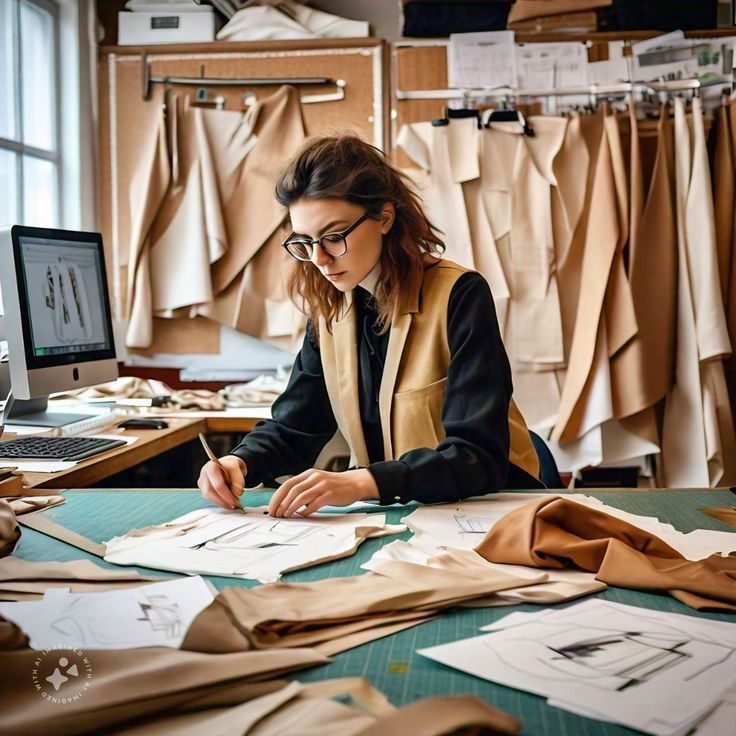
What to Expect During Your First Year of Fashion Design Studies
Starting a fashion design program is an exciting milestone for aspiring designers. The first year introduces students to the creative and technical aspects of the fashion industry while helping them build the skills needed for future success. It is a period of exploration, learning, and personal growth as students begin transforming their passion for fashion into professional expertise.
Many students enter fashion studies with a love for clothing, trends, and creativity. However, they soon discover that fashion design is much more than sketching garments or following trends. The profession requires technical knowledge, attention to detail, problem-solving abilities, and a strong understanding of how the industry operates.
The first year is carefully structured to provide a solid foundation in fashion principles, design techniques, and practical skills. Through classroom learning, hands-on projects, and creative assignments, students begin developing the confidence and knowledge required to pursue a successful career in fashion.
Learning the Fundamentals of Fashion Design
Students who enrol in a professional fashion design institute are introduced to the core principles that form the basis of a successful design career. These fundamentals help students understand how fashion concepts are developed, refined, and transformed into finished products.
The first year typically focuses on:
Fashion Illustration
Design Principles
Color Theory
Fashion History
Textile Studies
Basic Garment Construction
These subjects create a strong foundation for more advanced learning in the years ahead.
Fashion Illustration and Sketching
One of the first skills students develop is fashion illustration. Designers use sketches to communicate ideas, experiment with concepts, and present collections.
Students learn:
Figure Drawing
Fashion Croquis Creation
Garment Rendering
Coloring Techniques
Presentation Layouts
Regular sketching exercises help improve creativity and visual communication skills.
Understanding Fabrics and Textiles
Textile knowledge is a crucial part of fashion education. Designers must understand how different materials behave and how they influence the appearance and functionality of garments.
Topics often include:
Natural Fibers
Synthetic Fibers
Fabric Construction
Textile Properties
Sustainable Materials
This knowledge helps students make informed decisions when selecting fabrics for future design projects.
Introduction to Pattern Making
Pattern making is one of the most important technical skills in fashion design.
During the first year, students are introduced to:
Basic Measurements
Pattern Drafting Techniques
Garment Templates
Pattern Adjustments
Understanding patterns helps students learn how garments are constructed and fitted.
Learning Garment Construction
Fashion students spend a significant amount of time learning sewing and garment construction techniques.
Practical sessions may cover:
Hand Stitching
Machine Sewing
Seam Finishes
Basic Garment Assembly
Quality Control Techniques
These hands-on activities help students transform their design concepts into actual garments.
Exploring Fashion History
Fashion history provides valuable context for modern design practices.
Students learn about:
Historical Fashion Trends
Influential Designers
Cultural Influences on Fashion
Evolution of Style
Understanding the past often inspires innovative ideas for future collections.
Developing Creativity and Design Thinking
Creative thinking is a skill that grows through practice and experimentation.
Students participate in activities such as:
Mood Board Creation
Concept Development
Design Research
Trend Analysis
These exercises encourage students to explore new ideas and develop their unique design perspectives.
Introduction to Fashion Technology
Technology has become an essential part of modern fashion education.
Many first-year programs introduce students to:
Adobe Illustrator
Adobe Photoshop
Basic CAD Applications
Digital Design Techniques
These tools help students prepare for advanced digital design work later in their studies.
Working on Creative Projects
Project-based learning is an important component of fashion education.
Students may complete:
Fashion Illustration Projects
Fabric Exploration Assignments
Theme-Based Design Concepts
Mini Collection Development
Projects encourage creativity while reinforcing classroom learning.
Building Your First Fashion Portfolio
A portfolio serves as a designer's professional showcase.
During the first year, students begin compiling:
Sketches
Design Concepts
Mood Boards
Technical Drawings
Creative Projects
A strong portfolio becomes an important asset for internships and future career opportunities.
Receiving Feedback and Critiques
Constructive criticism is a valuable part of fashion education.
Students learn how to:
Present Design Ideas
Accept Professional Feedback
Improve Design Solutions
Refine Creative Concepts
These experiences help develop confidence and professionalism.
Managing Workloads and Deadlines
Fashion programs often involve multiple projects and assignments running simultaneously.
Students develop important skills such as:
Time Management
Project Planning
Organization
Prioritization
These abilities are essential for success in both education and professional environments.
Building Industry Awareness
The first year also introduces students to the broader fashion industry.
Students gain exposure to:
Industry Careers
Fashion Events
Designer Case Studies
This awareness helps students understand the opportunities available within the fashion sector.
Common Challenges During the First Year
Adjusting to fashion studies can be challenging for new students.
Common challenges include:
Learning Technical Skills
Managing Creative Projects
Meeting Deadlines
Handling Feedback
Balancing Practical and Theoretical Work
These challenges are a natural part of the learning process and contribute to professional growth.
Conclusion
The first year of fashion design studies is an exciting and transformative experience. It provides students with the knowledge, technical skills, and creative foundation needed to succeed in the fashion industry. From fashion illustration and textile studies to garment construction and portfolio development, every aspect of the curriculum plays an important role in shaping future designers.
By embracing the learning process and actively participating in projects and practical activities, students can make the most of their first year and prepare themselves for a rewarding career in fashion design.
Appreciate the creator