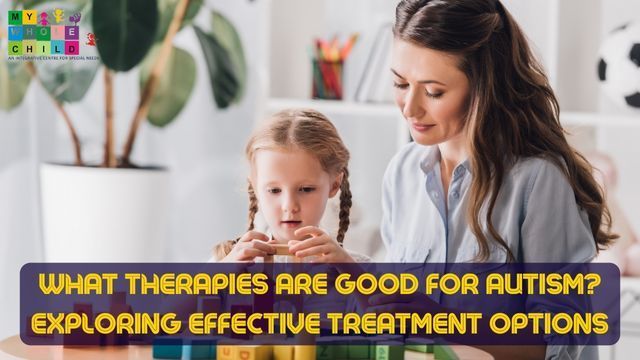
What Therapies Are Good for Autism?
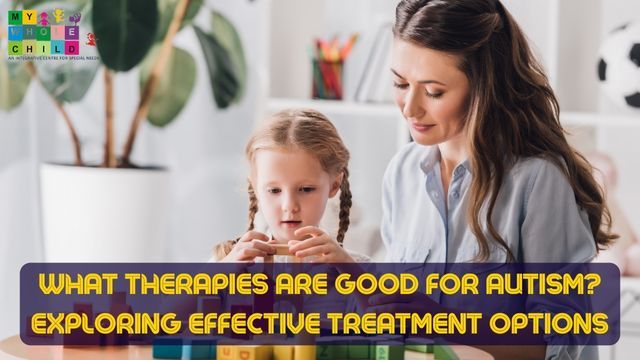
Introduction
Autism is a complex neurodevelopmental disorder that affects individuals in various ways. Finding effective therapies for autism is crucial to help individuals with autism spectrum disorder (ASD) reach their full potential and improve their quality of life. In this article, we will explore different therapies that have shown positive outcomes in supporting individuals with autism and promoting their overall development and well-being.
Applied Behavior Analysis (ABA)
Applied Behavior Analysis (ABA) is a widely recognized and evidence-based therapy for individuals with autism. ABA focuses on understanding and modifying behaviors by using positive reinforcement and systematic teaching methods. It aims to increase desired behaviors and reduce challenging behaviors by breaking tasks down into manageable steps and providing consistent feedback and rewards.
Benefits of ABA
1. Promotes language development and communication skills
2. Enhances social interaction and relationship-building abilities
3. Improves academic skills and learning capabilities
4. Supports the development of daily living skills
5. Addresses challenging behaviors and promotes self-regulation
Speech Therapy
Speech therapy plays a vital role in supporting individuals with autism who experience difficulties with language and communication. Speech-language pathologists (SLPs) assess and address various aspects of communication, including speech production, vocabulary development, receptive and expressive language skills, and pragmatic language (social communication) abilities.
How Speech Therapy Helps
1. Enhances verbal communication skills and speech intelligibility
2. Improves receptive and expressive language abilities
3. Promotes social communication and interaction
4. Supports non-verbal communication methods (e.g., sign language or AAC)
5. Addresses difficulties with articulation
Occupational Therapy
Occupational therapy is a valuable intervention for individuals with autism. This therapy focuses on developing skills necessary for independent living and meaningful participation in daily activities. Occupational therapists work with individuals to improve their fine motor skills, sensory integration, self-care abilities, and overall functional independence.
The Role of Occupational Therapy
1. Enhances fine motor skills and coordination
2. Improves sensory processing and integration
3. Promotes self-care skills (such as dressing, feeding, and grooming)
4. Develops functional skills for school and community engagement
5. Assists with creating supportive environments and adapting tasks to individual needs
Physical Therapy
Physical therapy is beneficial for individuals with autism who experience challenges with gross motor skills, coordination, balance, and strength. Physical therapy specialist use exercises, activities, and interventions to enhance physical abilities and overall motor development.
Benefits of Physical Therapy
1. Improves gross motor skills and coordination
2. Enhances strength, balance, and body awareness
3. Facilitates motor planning and sequencing
4. Promotes physical fitness and overall well-being
5. Assists with managing hyperactivity and sensory-seeking behaviors
Social Skills Training
Social skills training aims to improve the social interaction, communication, and relationship-building abilities for individuals with autism. This therapy focuses on teaching and practicing appropriate social behaviors, understanding nonverbal cues, initiating and maintaining conversations, and developing friendships.
How Social Skills Training Helps
1. Enhances social communication and interaction
2. Improves understanding of social cues and gestures
3. Builds skills for making friends and developing relationships
4. Teaches strategies for problem-solving and conflict resolution
5. Promotes self-advocacy and self-confidence in social settings
Conclusion
In conclusion, individuals with autism can benefit from various therapies that address their unique needs and challenges. Occupational therapy helps develop independent living skills, physical therapy enhances motor abilities, social skills training improves social interaction, cognitive-behavioral therapy addresses thought patterns and behaviors, sensory integration therapy assists with sensory processing, art therapy provides a creative outlet, music therapy utilizes the therapeutic properties of music, applied behavior analysis focuses on behavior modification, and speech therapy targets communication difficulties.
Appreciate the creator