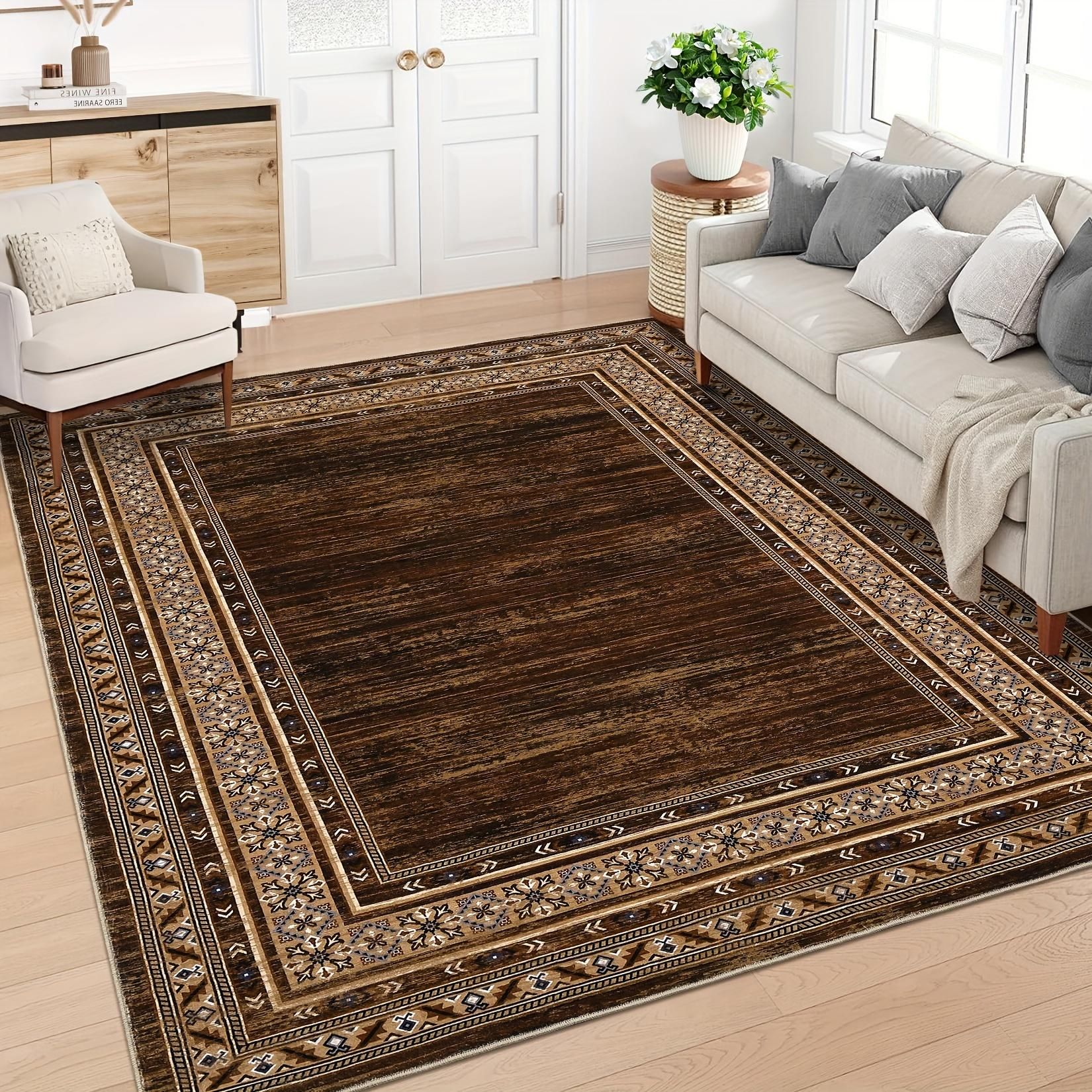
What Size Rug Works Best Under a Queen or King Bed?
A bedroom rug should make the space feel warmer and more comfortable without disappearing beneath the bed. Its size and position affect how much soft surface remains visible, whether nightstands sit evenly, and how easily people can move around the room. A rug that is too small may look disconnected, while one that is too large can crowd walls, doors, or nearby furniture.
Queen and king beds require different proportions, but mattress size is only the starting point. The bed frame, nightstands, bench, room dimensions, and preferred placement all influence the final choice. Measuring the full furniture arrangement helps you avoid guessing from the mattress alone.
Measure the Bed Frame, Not Just the Mattress
A bed frame may extend several inches beyond the mattress, especially when it includes a wide headboard, upholstered rails, or a platform base. Measure the frame from its widest and longest points. Then record the distance from the bed to the walls, closet, dresser, and doorway.
Many homeowners consider whether to buy 8x10 rug (https://ruggallery.net/collections/8x10) designs for a queen bedroom because this size can extend beyond both sides and the foot of the bed. However, the exact fit depends on how far the rug slides beneath the frame.
Use painter’s tape to mark the proposed rug dimensions on the floor. The tape shows how much rug will remain visible after the bed is centered and whether the edges will create useful walking surfaces.
Decide Where the Rug Will Begin
A bedroom rug does not always need to reach the wall behind the headboard. One common placement begins in front of the nightstands and extends beneath the lower two-thirds of the bed. This leaves the nightstands on the hard flooring while providing softness beside and beyond the foot of the bed.
Another approach places the entire bed and both nightstands on the rug. This creates a generous, unified foundation but requires a larger size. The rug should extend beyond the outer nightstand edges so the furniture does not appear crowded.
For a smaller rug, positioning it across the lower third of the bed can add color and texture. However, enough material should remain visible at the foot and sides to make the placement look intentional.
Choosing a Rug for a Queen Bed
A queen mattress is approximately five feet wide, but the frame may be wider. An 8x10 rug can often provide a comfortable border when the ten-foot side runs across the width of the bed. This orientation allows the rug to extend beyond both sides.
If the rug starts in front of the nightstands, more of its length remains visible at the foot. This arrangement works well when the room needs a soft landing beside the bed without placing every furniture piece on the rug.
A smaller rug may work in a compact room, especially when it lies only beneath the lower portion of the bed. However, check that the visible side sections are wide enough to step onto naturally. Narrow strips can make the rug appear undersized.
Choosing a Rug for a King Bed
A king bed occupies more floor space, so an 8x10 rug may offer limited side coverage. It can still work when positioned beneath the lower part of the bed, with the ten-foot side running across the width. The final look depends on the frame and how much rug remains visible.
A larger rug may be more suitable when the goal is to place the bed and nightstands together on one surface. It can create a broader border and better match the visual weight of a king frame. Measure carefully because large bedroom rugs may approach walls or block doors.
Do not assume that a large bed always requires the largest available rug. A compact room may function better with a partial-under-bed placement or separate runners along the sides.
Account for Nightstands and Benches
Nightstands influence the width of the complete bed arrangement. If they will sit on the rug, measure from the outside edge of one nightstand to the other. The rug should extend beyond this full width instead of ending directly beneath the furniture legs.
If the nightstands remain off the rug, make sure both sit at the same level. One nightstand partly on a thick rug may wobble or appear higher than the other. Begin the rug in front of both pieces for a clean line.
A bench at the foot of the bed needs enough rug beneath it to feel connected. Ideally, all bench legs should rest on the rug with some surface visible beyond them. If the bench sits partly over the edge, it may become unstable or look squeezed into the layout.
Preserve Comfortable Walking Space
The rug should support the routes people use when entering the room, walking to the closet, or moving between the bed and dresser. Avoid placing an edge directly where someone turns or where a door opens.
Measure the exposed flooring border around the rug. It does not need to be perfectly equal on every side, but a balanced border helps the bedroom feel calm. In a narrow room, shifting the bed and rug slightly may improve access without making the layout look noticeably off-center.
Check floor vents, outlets, and heating features. A rug should not block airflow or cover cords that are not designed to run beneath it. Door clearance matters as well, especially with a thick pile.
Choose a Comfortable but Practical Pile
Bedrooms often allow softer textures because they receive less traffic than living rooms or entries. A plush rug can create a comfortable first step in the morning. Still, pile height should suit the bed frame, doors, and cleaning routine.
A lower or medium pile may be easier to vacuum beneath the edge of the bed. It can also provide a more stable base for a bench. Pet owners may prefer a surface that manages shedding and regular movement more easily.
Use a rug pad that is appropriate for the floor. It can improve stability, add cushioning, and reduce friction. The pad should remain slightly inside the rug edges so it stays hidden.
Coordinate the Rug With Bedroom Colors
The bed is usually the main visual feature, so use bedding and the headboard as color guides. A patterned rug can add interest beneath plain bedding, while a quieter rug may balance a detailed quilt, bold headboard, or patterned curtains.
The rug does not need to match the bedding exactly. Repeating two or three tones creates enough connection. Neutral shades can support seasonal bedding changes, while stronger colors make the floor part of the room’s focal point.
Consider what portion of the pattern will remain visible. A central medallion may be hidden beneath the bed, while an attractive border can frame it. An all-over pattern provides a more consistent appearance when much of the center is covered.
Shop With the Bedroom Plan Ready
When browsing rugs for sale online (https://ruggallery.net/), filter by the measured size before comparing designs. Review exact dimensions because category names may be approximate. Then compare material, pile, construction, care guidance, and color details.
Keep a photograph of the bedroom and its main finishes nearby. Online room images may use different lighting and furniture scales, so your taped outline remains the most reliable guide for fit.
Choose a rug that supports the daily experience of the room. Comfort beside the bed, stable furniture, and clear paths are more important than following one standard placement rule.
Final Thoughts
The best rug size for a queen or king bed depends on the frame, nightstands, bench, room dimensions, and desired amount of visible rug. An 8x10 can work well beneath many queen beds and may suit partial placement beneath a king bed.
Measure the full furniture arrangement, test the outline, and decide where the rug will begin before shopping. A thoughtful position will make the bedroom feel warmer and more balanced without creating obstacles.
Appreciate the creator