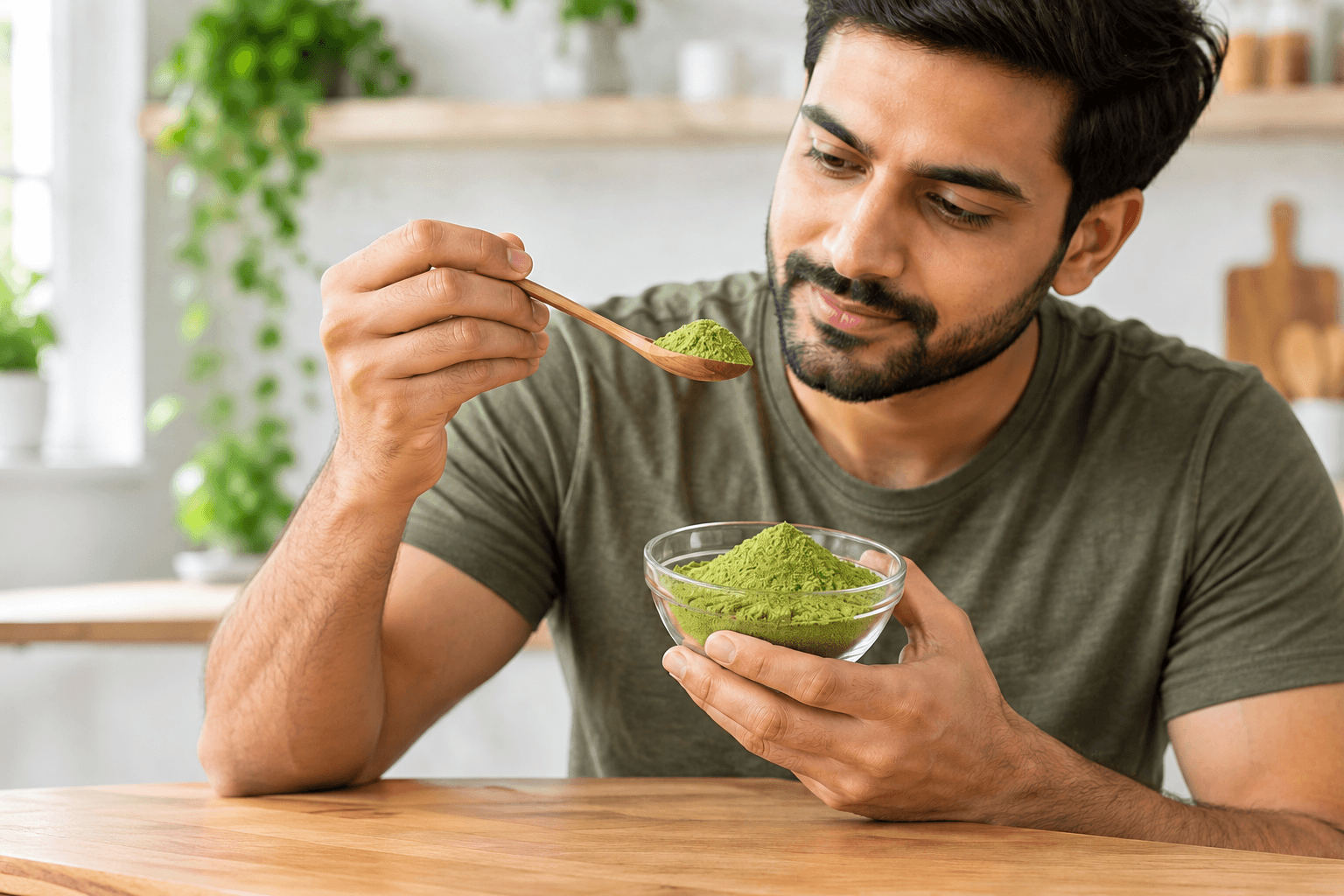
What Is Plant Protein? Benefits, Sources, and How to Add It to Your Diet
Protein is an essential nutrient that supports muscles, bones, tissues, enzymes, hormones, and many other functions in the body. While protein is commonly associated with foods such as eggs, milk, chicken, and fish, there are also many protein-rich foods that come from plants.
Plant protein refers to protein obtained from plant-based foods. Legumes, grains, nuts, seeds, soy products, and some vegetables can all contribute protein to your daily diet.
Whether you follow a vegetarian or vegan diet or simply want to include more plant-based foods in your meals, understanding plant protein can help you make better dietary choices.
What Is Plant Protein?
Plant protein is protein that comes from plant sources rather than animal products.
Common sources include:
Lentils
Chickpeas
Kidney beans
Peas
Soybeans
Tofu and tempeh
Peanuts
Almonds
Seeds
Quinoa
Oats
Whole grains
Different plant foods contain different amounts and combinations of amino acids. Eating a varied diet can help you obtain the range of amino acids your body needs.
How Does Plant Protein Work in the Body?
When you eat protein, your digestive system breaks it down into amino acids. Your body uses these amino acids to build and maintain tissues and to support various biological processes.
Protein is particularly important for:
Maintaining muscle tissue
Supporting tissue repair
Producing enzymes and hormones
Supporting bones and connective tissues
Helping maintain normal body functions
Contributing to feelings of fullness after meals
Your overall protein requirement depends on factors such as age, body size, activity level and individual dietary needs.
What Are the Best Sources of Plant Protein?
There are many ways to include plant protein in everyday meals.
1. Lentils
Lentils are a convenient source of plant-based protein and can be used in dal, soups, salads and curries.
2. Chickpeas
Chickpeas can be added to salads, curries, hummus and snacks. They also provide dietary fibre and other nutrients.
3. Soybeans and Soy Products
Soybeans are a protein-rich plant food. Tofu, tempeh and other soy-based foods can be incorporated into a variety of meals.
4. Peas
Peas provide protein along with carbohydrates, fibre, vitamins and minerals. They can be included in curries, soups and vegetable dishes.
5. Nuts and Seeds
Almonds, peanuts, pumpkin seeds, chia seeds and other seeds can contribute protein to the diet. They can be added to oatmeal, smoothies, salads or snacks.
6. Whole Grains
Foods such as oats, brown rice and quinoa can contribute protein while also providing carbohydrates and other nutrients.
Combining different plant foods throughout the day can help create a varied and nutritionally balanced diet.
Is Plant Protein as Good as Animal Protein?
Plant and animal proteins can both contribute to meeting your protein requirements.
One important difference is their amino acid profile. Some plant proteins contain lower amounts of one or more essential amino acids compared with certain animal proteins. However, eating a variety of plant foods throughout the day can help provide a broad range of essential amino acids.
Foods such as soy and quinoa are examples of plant foods that provide all nine essential amino acids.
The overall quality of your diet matters more than relying on one particular protein source.
Moringa as a Plant-Based Protein Source
Moringa, commonly known as Moringa oleifera, is a plant whose leaves are traditionally used as a food in several parts of the world. Moringa leaves contain protein along with vitamins, minerals and other plant compounds.
Moringa plant protein can therefore be discussed as part of a broader plant-based diet. However, moringa powder is generally used in relatively small servings, so it should not be considered a replacement for concentrated protein sources such as lentils, soy, beans or dedicated plant protein powders.
If you are looking for ways to add moringa powder as plant protein (https://www.doctormoringa.in/blog/plant-protein-vs-whey-protein) to your diet, moringa leaf powder can be mixed into smoothies, drinks, soups or meals. Its nutritional contribution can complement an otherwise varied diet.
How to Use Moringa Powder
Moringa powder has a distinctive earthy, slightly bitter taste. You can start with a small amount and gradually incorporate it into your meals.
Some simple options include:
Adding it to smoothies
Mixing it into soups
Stirring it into dal
Adding it to sauces
Mixing it into yoghurt
Incorporating it into homemade energy snacks
For the best nutritional approach, think of moringa as one nutrient-rich plant food among many, rather than your primary source of protein.
Benefits of Including Plant Protein in Your Diet
Adding a variety of plant protein sources to your meals can provide more than protein alone.
Provides Protein
Legumes, soy foods, nuts, seeds and whole grains can all contribute to your daily protein intake.
Can Provide Dietary Fibre
Many plant protein sources, particularly beans, lentils and chickpeas, also provide dietary fibre. Fibre is an important part of a balanced diet.
Provides Other Nutrients
Plant foods can provide a range of vitamins, minerals and naturally occurring plant compounds alongside protein.
Supports a Varied Diet
Including different plant protein sources can add variety to meals and make it easier to build balanced vegetarian or vegan meals.
How Much Plant Protein Do You Need?
There is no single amount of plant protein that is appropriate for everyone.
Your daily protein requirement depends on several factors, including:
Age
Body weight
Physical activity
Overall health
Pregnancy or breastfeeding
Fitness goals
Total dietary intake
Rather than focusing on one food, aim to include protein-containing foods across your meals.
For example, a meal could combine lentils with rice and vegetables, or tofu with whole grains and vegetables.
If you have specific nutritional or medical requirements, a registered dietitian or healthcare professional can help determine an appropriate protein intake.
Plant Protein for Vegetarians and Vegans
People following vegetarian or vegan diets can obtain protein from a wide range of foods.
A balanced plant-based diet can include:
Breakfast: Oats with nuts and seeds
Lunch: Dal with rice and vegetables
Snack: Roasted chickpeas or nuts
Dinner: Tofu, beans or lentils with whole grains and vegetables
Moringa powder can also be incorporated into suitable meals as an additional plant food.
The key is variety. Depending on a single food for all your protein needs may make it harder to achieve a balanced nutritional intake.
Are Plant Protein Powders Necessary?
Not necessarily.
Many people can meet their protein requirements through regular foods such as beans, lentils, tofu, soy, nuts, seeds and whole grains.
Plant protein powders can be convenient for people who have higher protein requirements, limited time for meal preparation or difficulty getting enough protein from food.
However, a protein powder and moringa powder serve different purposes. Moringa leaf powder contains protein, but it is not equivalent to a concentrated plant protein powder in terms of protein content per serving.
How to Add More Plant Protein to Your Meals
Increasing your plant protein intake does not have to mean completely changing your diet.
Try these simple changes:
Add lentils or chickpeas to salads.
Choose tofu or beans for some meals.
Add nuts and seeds to breakfast.
Use hummus as a spread or dip.
Include beans in soups and curries.
Add quinoa or other whole grains to meals.
Include a variety of legumes throughout the week.
Add moringa powder to suitable foods in small amounts.
Conclusion
Plant protein is an important part of many balanced diets. Foods such as lentils, beans, chickpeas, soy, nuts, seeds and whole grains can provide protein while also contributing other nutrients.
Moringa leaves are another plant food that contains protein and can be incorporated into everyday meals in powder or leaf form. While moringa plant protein can contribute to your overall nutritional intake, moringa powder should complement, rather than replace, more concentrated protein sources.
The simplest approach is to eat a varied diet and include different plant-based protein foods throughout the day.
Appreciate the creator