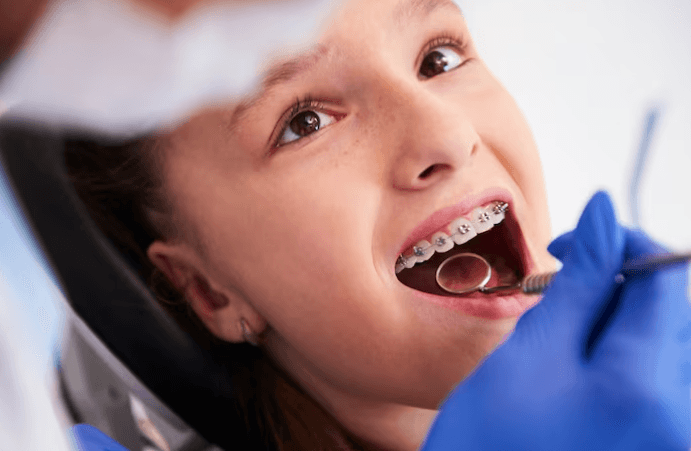
What Is Orthodontic Treatment and Who Needs It?
Orthodontic treatment is, like, a part of dentistry that concentrates on figuring out, preventing, and fixing issues tied to how teeth and jaws sit or line up. Most people link it to braces, but modern orthodontics also covers clear aligners, retainers, and a few other devices meant to nudge the position and role of the teeth.
A lot of folks think orthodontic treatment only matters when teeth seem twisted or packed too close together. Still, orthodontic care is not really just about looks. Getting things properly aligned can also help with better chewing, simpler cleaning, more reliable bite performance, and healthier long-term oral hygiene. Whether treatment is needed depends on the person’s dental growth, the relationship between the jaws, the way the bite comes together and the overall condition of the mouth.
What Does Orthodontic Treatment Involve?
Orthodontic treatment works by applying controlled pressure to teeth over time, gradually moving them toward healthier and more functional positions. Depending on the dental condition, treatment may involve fixed braces, clear aligners, removable appliances, expanders, or retainers.
Before treatment begins, an orthodontic assessment is generally performed. The dental professional examines the teeth, gums, bite, and jaw relationship. Dental photographs, X-rays, scans, or impressions may also be used when required. This assessment helps determine the severity of the alignment problem and the most appropriate treatment approach.
The treatment plan varies from person to person. Factors such as age, tooth position, jaw development, bone health, and the complexity of the case can influence the recommended method and treatment duration.
Who might end up needing orthodontic care?
Orthodontic treatment can be suggested for kids, teens, and also adults, depending on what’s going on in their bite and tooth positions. Often people notice issues earlier but sometimes it becomes more clear later on. Conditions that may lead to orthodontic correction include, but are not limited to, the following:
1. Crowded teeth
This happens when there simply isn’t enough room for every tooth to sit the way it should inside the dental arch. Teeth can overlap, turn, or even look like they are behind or ahead of the neighboring teeth. Crowded teeth may be harder to clean so plaque can build up more easily, and that can bring along gum issues too.
2. Spacing between teeth
Big gaps, or more than usual space, can show up between teeth because of tooth size, missing teeth, how the jaw develops, or other related factors. Orthodontic treatment may help bring the teeth closer together or control the spacing, when it’s actually the right choice for the person.
3. Overbite
An overbite is when the upper front teeth sit too far over the lower front teeth. A small overbite can be pretty normal, but a deeper overbite might interfere with bite function and possibly increase tooth wear, or even cause soreness at times.
4. Under-bite
An under-bite is when the lower front teeth end up sitting in front of the upper front teeth, when the mouth is closed. Depending on how severe it is and the patient’s age, orthodontic treatment can help improve the bite relationship and overall balance.
5. Cross-bite
A cross-bite shows up when one or more upper teeth bite inward, meaning they go inside the lower teeth rather than outside. If it is not managed, some kinds of cross-bite can lead to uneven tooth wear, or jaw problems linked to how the bite is working.
6. Open bite
An open bite occurs when certain upper and lower teeth don’t touch the way they should when the mouth is shut. This can affect how someone bites, chews, speaks, or even certain oral habits, sometimes in small ways, sometimes more noticeable.
7. Misaligned teeth
When teeth are rotated, angled, or placed off position, it can affect both looks and function. Orthodontic treatment typically nudges and guides them gradually toward better alignment and a smoother bite.
Why Is Orthodontic Treatment Important?
The primary objective of orthodontic treatment is not simply to create straighter teeth. Proper alignment can improve the relationship between the teeth and jaws and make everyday oral care easier.
Straight and properly positioned teeth may be easier to brush and floss around. Better alignment can also help distribute chewing forces more evenly. In some cases, orthodontic correction may reduce areas where food and plaque become trapped.
Orthodontic treatment can also address certain bite problems. When the upper and lower teeth do not meet correctly, excessive pressure may be placed on particular teeth. Correcting the bite can help establish a more balanced relationship between the dental arches.
For individuals researching treatment options, consultation with a qualified professional is important. A search for a Best Dentist in Vaishali nagar may help identify an appropriate dental professional for an initial assessment, but the suitability of orthodontic treatment should ultimately be determined through an individual examination.
Conclusion
Orthodontic treatment is meant to nudge teeth into better alignment, and also sort out the upper jaw and lower jaw relationship. Usually it helps with things like crowding, spacing, overbite, under-bite, cross-bite , open bite, and a variety of other misalignment situations, depending on what is going on.
Kids, adolescents, and adults may all get real benefit from orthodontic care when a dental assessment finds an actual need. Braces, clear aligners, and other orthodontic appliances can offer different pathways, even if the goal feels similar , because the cause is often different.
The best choice of treatment can’t be judged by appearance alone, even when everything “looks off” in a general way. A professional check is required to review tooth alignment, bite pattern, jaw development, gum health , and the supporting bone. Early evaluation, plus thoughtful treatment planning, can help patients reach smoother oral function while also protecting long term dental health.
Appreciate the creator