What Is IUI Treatment? A Complete Guide to the Procedure, Cost, Benefits and Success Rates
Although millions of couples around the world have to face the problem of infertility, with the development of reproductive medicine, the dream of becoming a parent became possible for many couples. Intrauterine Insemination (IUI) is one such fertility treatment that is highly recommended. So, if you're curious about what IUI treatment entails, how it works, and whether it's right for you, read on for all the details.
What Is IUI Treatment?
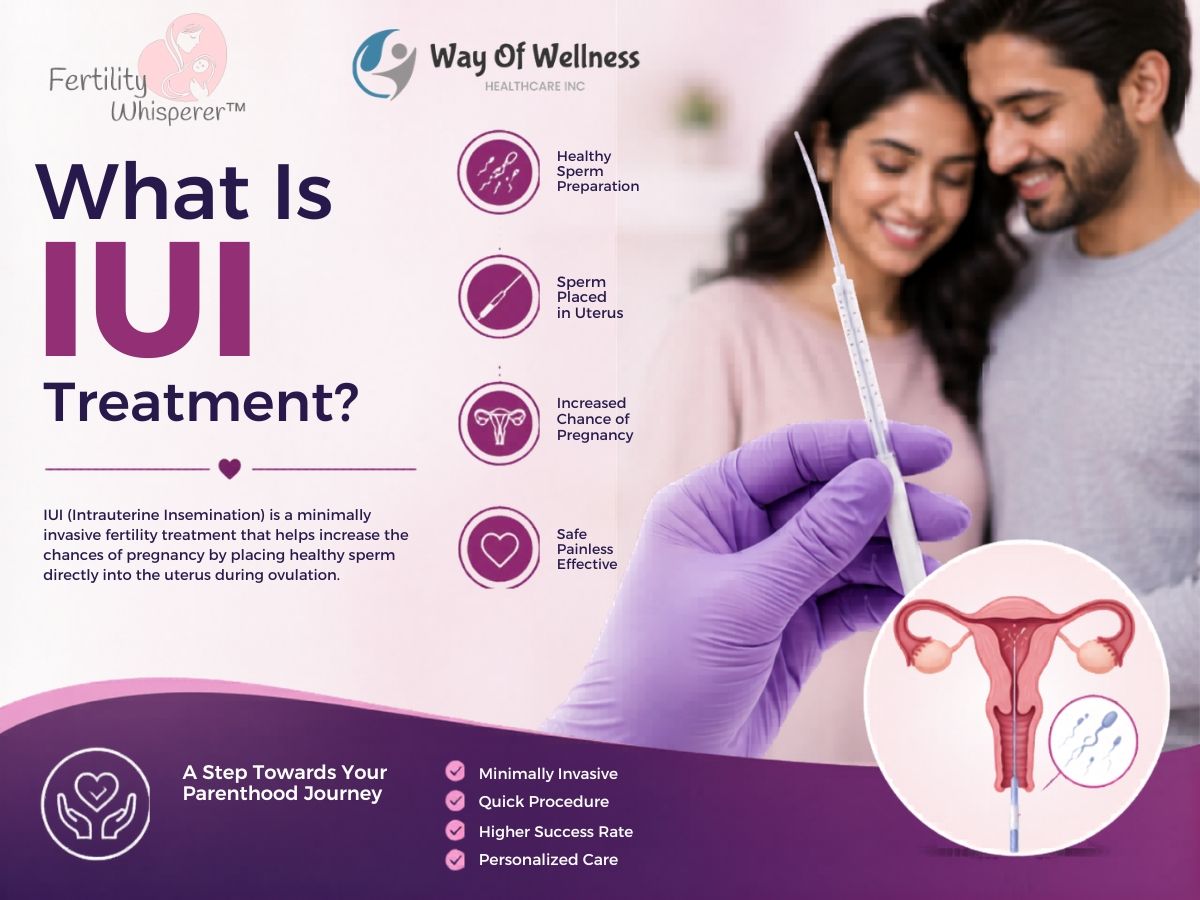
Intrauterine Insemination (IUI) is a fertility treatment in which the specially prepared sperm is inserted into a woman's uterus during the time of ovulation. The aim is to improve the efficiency of sperm to reach the egg in order to enhance the possibility of successful fertilization.
IUI is often a preferred fertility treatment for couples who are not ready for more intensive treatments like IVF. It is less invasive, cheaper and doesn't involve much recovery.
Who Can Benefit from IUI Fertility Treatment?
IUI may be recommended for:
Unexplained infertility
Mild male factor infertility
Low sperm count or reduced sperm motility
Cervical mucus problems
Ovulation disorders
Same-sex couples seeking pregnancy
Single women using donor sperm
However, IUI may not be suitable for women with blocked fallopian tubes, severe endometriosis, or severe male infertility.
How Does the IUI Procedure Work?
The IUI process typically involves several steps:
1. Fertility Evaluation
Your fertility specialist will review your medical history and perform tests to assess reproductive health.
2. Ovulation Monitoring
The treatment cycle is carefully monitored through blood tests and ultrasounds to identify the optimal time for insemination.
3. Sperm Preparation
A semen sample is collected and processed in a laboratory. This process, known as sperm washing, separates healthy and highly motile sperm from other components.
4. Insemination Procedure
Using a thin catheter, the prepared sperm is placed directly into the uterus. The procedure generally takes only a few minutes and causes minimal discomfort.
5. Pregnancy Testing
About two weeks after the procedure, a pregnancy test is performed to determine whether conception has occurred.
Is IUI Painful?
Most women experience little to no pain during IUI. Some may feel mild cramping similar to menstrual discomfort during or shortly after the procedure. Since it is a non-surgical treatment, recovery is usually immediate, and patients can resume normal activities the same day.
What Are the Benefits of IUI Treatment?
IUI offers several advantages for couples trying to conceive:
Less Invasive
Unlike IVF, IUI does not involve egg retrieval or anesthesia.
More Affordable
Many couples consider IUI before IVF because of its lower treatment cost.
Quick Procedure
The insemination process takes only a few minutes.
Natural Fertilization
Fertilization still occurs naturally within the body.
Minimal Downtime
Patients can typically return to their daily routine immediately after treatment.
How Much Is IUI?
One of the most common questions patients ask is, "How much is IUI?"
The cost of IUI varies depending on location, fertility clinic, medications used, and the number of treatment cycles required.
Because multiple cycles are sometimes needed, your fertility specialist will discuss the expected treatment plan and associated expenses before starting treatment.
IUI Success Rates
The success of IUI depends on several factors, including age, fertility diagnosis, sperm quality, and overall reproductive health.
Average pregnancy rates per cycle are:
Women under 35 years: 10%–20%
Women aged 35–40 years: 8%–15%
Women over 40 years: Lower success rates
Many fertility specialists recommend trying three to six IUI cycles before considering alternative treatments such as IVF.
It's important to understand that individual outcomes vary, and success rates may differ based on specific fertility conditions.
Factors That Affect IUI Success
Several factors can influence the effectiveness of IUI fertility treatment:
Age
Female age remains one of the most significant predictors of fertility success.
Sperm Quality
Healthy sperm count and motility improve the likelihood of fertilization.
Timing
Accurate ovulation monitoring helps ensure insemination occurs during the most fertile window.
Fertility Diagnosis
Couples with unexplained infertility often experience better IUI outcomes than those with severe reproductive issues.
Risks of IUI Treatment
Although generally safe, IUI carries some potential risks:
Mild cramping after the procedure
Slight risk of infection
Multiple pregnancy risk when fertility medications are used
Emotional stress if multiple cycles are required
A qualified fertility specialist can help minimize these risks through careful monitoring and individualized treatment planning.
Is IUI Better Than IVF?
IUI and IVF serve different purposes.
IUI is often recommended for mild fertility challenges because it is less invasive and more cost-effective. IVF may be more appropriate for severe infertility cases, blocked fallopian tubes, advanced maternal age, or previous unsuccessful IUI cycles.
Your fertility doctor will recommend the most suitable treatment based on your diagnosis and reproductive goals.
Final Thoughts
Understanding what IUI treatment is can help couples make informed decisions about their fertility journey. IUI is a safe, effective, and widely used fertility treatment that offers hope to many individuals struggling to conceive. While success rates vary, proper evaluation, timely treatment, and expert fertility care can significantly improve outcomes.
At Fertility Whisperer™, we believe that every fertility journey is unique. Consulting an experienced fertility specialist is the best way to determine whether IUI fertility treatment is right for your individual needs.
About the Author
Dr. Shasta Ericson, DACM, L.Ac.
Dr. Shasta Ericson is a licensed acupuncturist and fertility wellness specialist with extensive experience supporting individuals and couples on their fertility journey. Through an integrative approach that combines evidence-informed care, reproductive wellness education, and patient-centered support, she helps patients navigate fertility challenges with confidence.
Frequently Asked Questions (FAQs)
1. What is IUI treatment used for?
IUI treatment is used to help couples conceive by placing prepared sperm directly into the uterus during ovulation, increasing the chances of fertilization.
2. Is IUI treatment painful?
Most women experience little to no pain. Mild cramping may occur during or after the procedure.
3. What is the success rate of IUI?
Success rates generally range from 10% to 20% per cycle for women under 35, depending on individual fertility factors.
4. How many IUI cycles are usually needed?
Many fertility specialists recommend three to six IUI cycles before considering IVF.
5. Can I get pregnant naturally after IUI?
Yes. IUI supports natural fertilization inside the body and does not prevent future natural conception.
6. Who is a good candidate for IUI fertility treatment?
Individuals with unexplained infertility, mild male infertility, ovulation issues, or cervical factor infertility may be good candidates for IUI.
7. What should I do after an IUI procedure?
Most patients can return to normal daily activities immediately. Follow your fertility specialist's recommendations regarding medications and follow-up testing.
Appreciate the creator