What is Digital Learning Solutions? Explained for Learners and Companies
Digital learning solutions are a crucial part of the modern economy, especially after the pandemic, when nearly 80% of global students were using online learning for education, and that gave the world a different perspective from traditional learning. Now, going back to the previous method is nearly impossible.
The market of this industry is worth nearly $203 Billions, but still a huge number of learners are not able to utilise the full potential of digital learning solutions, and the reason behind this is not only employees not being incompetent but also a lot of learners and even companies being unaware of regular updates that affect online learning.
What are digital learning solutions?
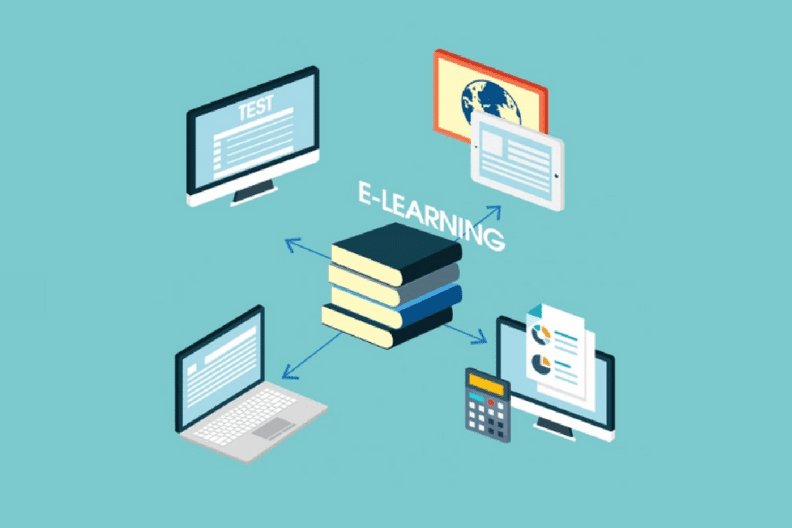
When learning takes place in a completely digital system, it can be used as e-learning, or the traditional instructor can take classes in online meetings. Digital learning solutions give learners a flexible environment to develop skills and master any field.
Types for digital learning
E-learning programs
These can be useful for organisations and learners who are looking for employment since they are cost-effective and best suited for focusing on a single topic. The curriculum includes recorded lectures, short quizzes, PDFs, forums, and AI chatbots.
Learning management system (LMS)
Learning can be done over a platform that is specifically designed for this purpose. While keeping track of students' activity in this system, one admin has complete access to hosting the program and learners' work in accordance with him/her.
Mobile learning
In this method, learners can access the digital learning solutions on their handheld devices, and the approach provides flexibility to users. Learning is available anywhere and at any time.
Virtual classroom
Instructors and learners can meet in a digital setup with the help of portals like Google Meet and Zoom. This format allows the user a traditional learning experience, but without having to spend extra on travelling or managing the cost of the venue.
Gamification platforms
This format uses game-like elements that can motivate learners. It works best when paired with a suitable learning program. Most of the digital learning solutions add gamified elements to make the learning experience less rigid and more fun.
AI tutoring
This integrates AI chatbots and assistance for learners so they can clear doubts anytime and anywhere. For a learner of digital learning solutions, it's not possible for them to have personal guidance at times when needed, but AI makes that possible.
Simulations
This format is useful for learners who prefer to practice with the help of virtuality, which provides a safe environment for practice.
Adaptation of digital learning solutions
First analysis
Companies and learners need to first analyse their learning needs and skill gaps, then try to determine which methods to address the issue and discuss strategies that can play an important role in corporate training effectively. When they decided on digital learning solutions for learners, the adaptations were almost completed, but companies still had to perform further activities.
Finding a suitable strategy
Now, learners or employees have to decide what kind of program would suit them, whether they want digital learning solutions that provide self-paced learning, offline instructor guidance, or something in between, like blended learning. Then decide on a suitable budget for the training.
Creating the course
Individual learners can find an online course to their liking and make a purchase, but companies have to train the masses. So, in certain conditions, designing a course would be more feasible. For basic digital learning solutions, the team just has to create a course with video lectures, assessments, and modules.
Launch of the program
The L&D team should decide where they can launch the digital learning solutions and pick from the LMS or the platform, then review the company's older modules and integrate them into the new program to make it feel more engaging. For the final touch-up, set up access and security, run the last test, then launch the program.
Monitoring and maintenance
The team then ensures learners can access the portal and take lessons and quizzes effectively; if not, then managers and IT will try to resolve that issue, whether it's a learner's ability problem or some tech issue. In future times, whenever employees need to learn different skills, the company can customise that course.
Key Takeaways
Digital learning solutions may talk about the same topic but have significant gaps.
Analysis and tests are crucial steps before adapting or launching any program.
Digital learning solutions are a more affordable and suitable option for individual learners.
Why this matters
Digital learning solutions are only possible due to progressive technology, and one setback of tech is that it keeps changing and looking for betterments in programs, which makes it hard for learners to keep themselves updated, but learners and trainers can completely eradicate this problem by investing in a program that keeps its users well occupied with updates.
Appreciate the creator