What Is a Pelvic Floor Muscle Trainer and How Does It Work?
Pelvic health is something many people don't think about until problems begin to appear. Weak pelvic floor muscles can affect bladder control, recovery after childbirth, core stability, and even overall quality of life. Fortunately, modern rehabilitation technology has made strengthening these muscles much easier than it once was. One of the most widely used devices for this purpose is the pelvic floor muscle trainer.
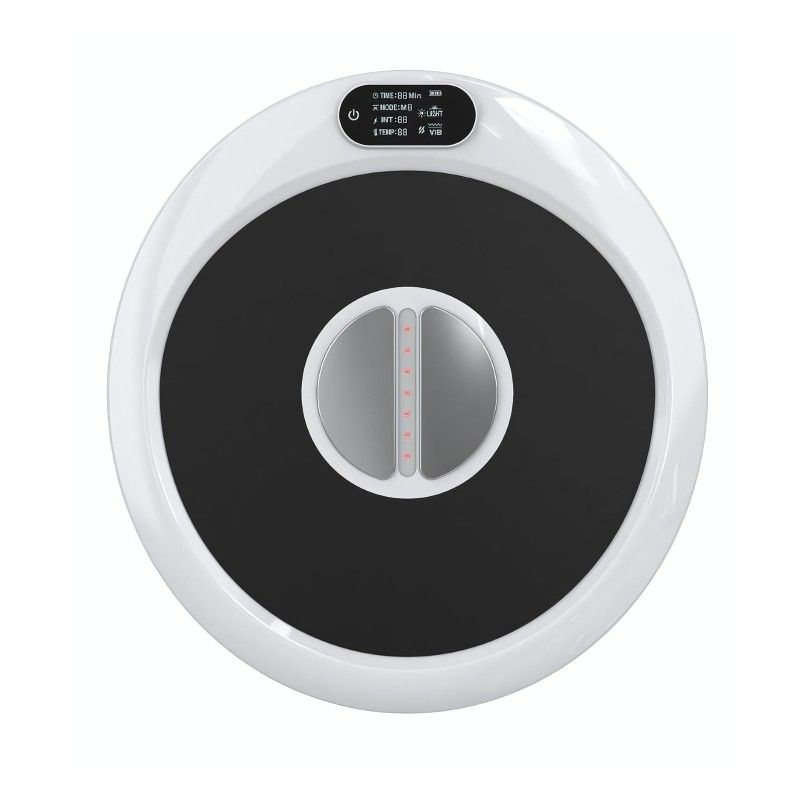
Although the name may sound technical, the idea behind the device is quite simple. A pelvic floor muscle trainer (https://www.mychway.com/Pelvic-Floor-Muscle-Trainer) is designed to help strengthen the muscles that support the bladder, bowel, and reproductive organs. It provides guided muscle stimulation or exercise assistance, making pelvic floor training more effective for many users than performing exercises alone.
Understanding the Pelvic Floor
The pelvic floor is a group of muscles located at the base of the pelvis. These muscles support several important organs and play a role in bladder control, bowel function, posture, and core stability.
Over time, these muscles can become weaker due to several factors, including:
Pregnancy and childbirth
Aging
Hormonal changes
Surgery
Obesity
Lack of physical activity
When the pelvic floor weakens, everyday activities such as coughing, laughing, exercising, or lifting heavy objects may become more challenging for some people.
How Does a Pelvic Floor Muscle Trainer Work?
A pelvic floor muscle trainer is designed to activate and strengthen the pelvic floor muscles through guided muscle contractions. Depending on the model, the device may use electrical muscle stimulation (EMS), biofeedback technology, or guided exercise programs.
During a typical session, the trainer delivers gentle stimulation that encourages the muscles to contract and relax in a controlled pattern. This process helps users identify the correct muscles while gradually improving their strength and endurance.
For many beginners, this guidance can be especially helpful because correctly performing pelvic floor exercises is not always as easy as it sounds.
Benefits of Regular Training
Using a pelvic floor muscle trainer consistently may provide several potential benefits, including:
Improved pelvic muscle strength
Better bladder control
Enhanced core stability
Support during postpartum recovery
Increased muscle awareness
Improved exercise performance
Results generally develop gradually over several weeks, depending on the individual's condition and consistency.
Who Can Use a Pelvic Floor Muscle Trainer?
A pelvic floor muscle trainer may be suitable for a variety of individuals.
It is commonly recommended for:
Women after childbirth
Adults experiencing mild bladder weakness
Individuals recovering from pelvic surgery
Older adults seeking better pelvic support
People wanting to strengthen their core muscles
Before beginning any rehabilitation program, however, it is always advisable to consult a qualified healthcare professional, especially if symptoms are severe or persistent.
Why Consistency Matters
Like most muscle training programs, pelvic floor exercises require regular practice.
Using a pelvic floor muscle trainer occasionally may not provide noticeable improvements. Following the recommended training schedule while maintaining healthy lifestyle habits usually produces better long-term results.
Progress may feel gradual at first, but consistency often makes the biggest difference.
Modern Technology Makes Training Easier
Today's pelvic floor trainers are much more advanced than earlier models.
Many devices now include features such as:
Adjustable intensity levels
Digital displays
Multiple training modes
Rechargeable batteries
User-friendly controls
Some systems even allow users to track their progress over time, making rehabilitation more structured and motivating.
Conclusion
A pelvic floor muscle trainer provides a practical, non-invasive way to strengthen the muscles that support the bladder, bowel, and pelvic organs. Whether used for postpartum recovery, improving muscle control, or supporting general pelvic health, these devices offer guided training that can complement traditional pelvic floor exercises.
With consistent use, realistic expectations, and guidance from a healthcare professional when needed, a pelvic floor muscle trainer can become an effective part of a long-term pelvic wellness routine.
Appreciate the creator