What Does Custom Gable Packaging Change About a Standard Gable Box?
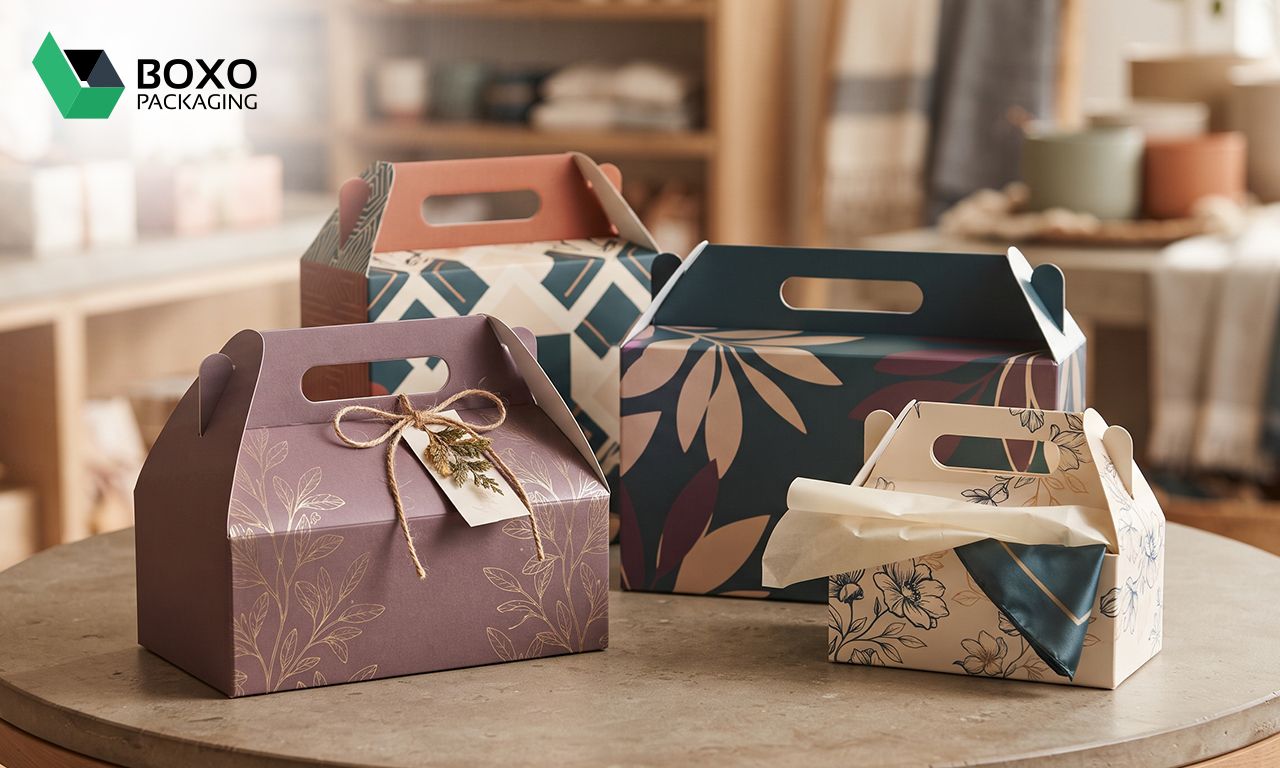
A standard gable box is a folding carton with a peaked top and a carry handle built into the closure. Adjusting the dimensions, board grade, coatings, or handle placement turns that general format into something designed for a particular item. Custom Gable Packaging becomes necessary when the contents have proportions, weight, or handling needs that a stock size cannot handle well.
The changes usually start with the footprint. A box that holds a diagnostic kit, a set of small instruments, or a folded leaflet has to be sized so the product does not shift during transit. Extra clearance of even a few millimeters can cause rattling and surface scuffs, while an overly tight fit makes removal awkward for the person opening it.
Where Structural Adjustments Matter Most
Handle reinforcement is one of the first things to review. The handle is cut from the same board as the box, which means the surrounding material carries the load. A heavier item needs a thicker board or a reinforced handle panel so the box does not tear at the peak.
Locking tabs and the base closure also deserve attention. A gable base that folds and interlocks without glue is convenient for assembly, but it can pop open if the product is dense or if the box is dropped. Adding a glued base, a tuck flap, or an internal insert solves that problem without changing the overall look.
Reinforced handle panels for products above light weight
Glued or double-locked bases for denser contents
Die-cut inserts that hold vials, ampoules, or small devices in place
Extended dust flaps that reduce dust entry during storage
Materials and Print Decisions
Board choice affects how the box performs more than most people expect. A coated solid bleached sulfate board prints cleanly and resists surface moisture, which suits clinical environments where surfaces get wiped down. Uncoated kraft is sturdier in some weights but shows fingerprints and scuffs faster.
Printing should stay legible rather than decorative. Medical products often need batch numbers, expiry dates, storage instructions, and barcode space. Leaving a clear panel for variable data printing avoids stickers that peel off later. A matte or satin varnish keeps glare down so text remains readable under bright lighting.
For one medical device supplier, Boxo Packaging produced a gable format with a reinforced handle and a die-cut insert that kept four separate components from touching.
How Do Healthcare Boxes Handle the Demands of Medical Logistics?
Medical products move through several hands before they reach a patient. They get packed at a facility, stacked on a pallet, loaded and unloaded, stored on a shelf, and finally opened by a clinician or a customer. Healthcare Boxes have to survive that chain while keeping contents clean, identifiable, and intact.
The job is partly physical and partly informational. The box protects what is inside, but it also carries the labeling that tells someone what the product is, how to store it, and when it expires. A format that looks tidy on a shelf but hides the label panel creates problems at the point of use.
Interior Layout and Product Separation
Keeping items apart is often the main design problem. Two glass vials in the same compartment will knock against each other. A blister pack and a paper leaflet will slide over one another. Custom inserts, dividers, or molded trays solve this by assigning each component a fixed position.
Related formats work alongside gable boxes depending on the product. Medicine cartons are common for solid dose products that need a flat, printable surface. Tuck boxes suit single items with a leaflet. Sleeve boxes give a two-piece feel to diagnostic kits. Display boxes help when products sit on an open shelf rather than behind a counter.
Sizing deserves a second look. A box that is too large wastes shelf space and lets contents move. One that is too small puts pressure on the product and can bend the leaflet. Measuring the assembled product, not just the bare item, gives a more reliable starting point.
Clear windows for products that need visual confirmation without opening
Tamper-evident seals for items with handling restrictions
Flat label panels for barcodes, batch codes, and expiry dates
Moisture-resistant coatings for humid storage environments
What to Review Before Production
Several details are easier to settle before tooling than after. Confirm the product weight with the insert in place. Check that the label panel is large enough for every required field. Decide whether the box will be assembled by hand or by machine, since that affects flap design. Then run a physical sample with the actual product inside.
Appreciate the creator