What Are the Hidden Gems in Egypt That Most Travelers Miss?
When most people think of Egypt, they imagine the towering Pyramids of Giza, the Sphinx, and the bustling energy of Cairo’s markets. But beyond the famous landmarks lies a side of Egypt that few travelers ever get to see — places filled with quiet charm, natural wonder, and deep history. These are the true gems of Egypt, scattered across deserts, oases, and ancient towns that tell stories untouched by mass tourism.
Whether you’re planning your first visit or updating your travel itinerary for a second trip, discovering Egypt’s hidden gems can turn an ordinary vacation into a once-in-a-lifetime journey.
Why Go Beyond the Classics?
The big sights in Egypt are legendary — no doubt. But what makes travel truly memorable are the moments of surprise. Wandering through an untouched oasis, watching the sun dip behind dunes, or standing alone before ancient ruins far from the crowds — those are the experiences that stay with you.
Egypt’s less-traveled routes are perfect for curious travelers who enjoy exploring off the beaten path. They’re also ideal for those who like crafting personalized travel itineraries that balance history, nature, and culture. If you’re one of those travelers, these places should be on your list.
1. Siwa Oasis – The Desert’s Most Peaceful Gem
Tucked deep in Egypt’s Western Desert near the Libyan border, Siwa Oasis is one of the country’s most remote and breathtaking destinations. Surrounded by endless golden sand dunes, Siwa feels like a world apart — calm, untouched, and full of charm.
What makes it special:
Salt lakes: Siwa’s crystal-clear salt pools are a natural wonder where you can float effortlessly. The scenery feels almost otherworldly — especially at sunrise or sunset.
Shali Fortress: The old mud-brick fortress still stands tall in the center of town, offering stunning views of the oasis.
Temple of the Oracle: This ancient site is where Alexander the Great is said to have visited to confirm his divine lineage.
Travel tip:
Add Siwa to your itinerary if you’re looking for both adventure and serenity. The journey takes about 10–12 hours by road from Cairo, but the landscapes you’ll pass along the way are worth every mile. Staying at an eco-lodge and traveling with local guides can help you appreciate Siwa’s traditions while supporting the community.
2. The White Desert – Egypt’s Surreal Landscape
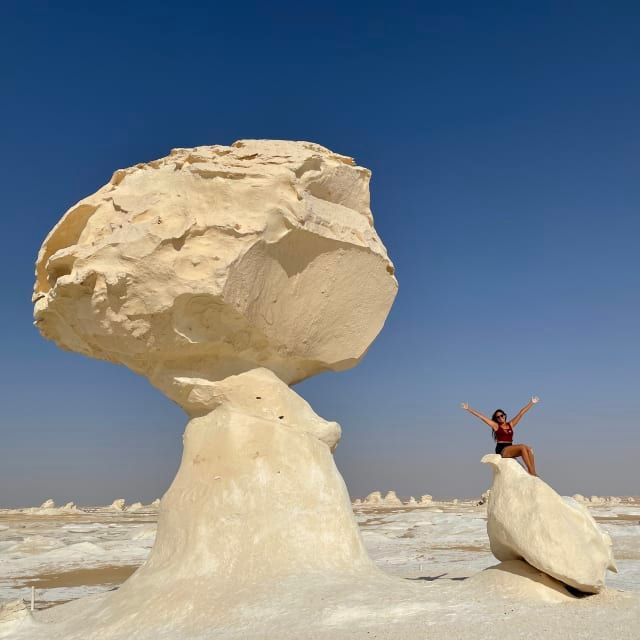
If you’ve ever dreamed of walking on another planet, the White Desert is as close as you’ll get without leaving Earth. The chalk-white rock formations, shaped by centuries of wind, look like giant sculptures scattered across the sand.
Why visit:
It’s one of Egypt’s most stunning natural wonders.
The night sky here is a dream for stargazers — no light pollution, just millions of stars above your tent.
You can combine it with nearby Bahariya Oasis, making it a perfect two-day detour from Cairo.
Travel idea:
Include the White Desert in a road trip itinerary that starts from Cairo, passes through Bahariya, and ends in Siwa or Farafra. Camping under the stars here is an unforgettable experience.
3. Fayoum Oasis – Art, Nature, and Ancient Lakes
Just a few hours southwest of Cairo, Fayoum is an underrated treasure filled with waterfalls, wildlife, and ancient ruins. It’s an easy getaway for those short on time but craving something different.
Highlights:
Wadi El Rayan: A beautiful area of twin lakes connected by Egypt’s only natural waterfall.
Wadi El Hitan (Valley of the Whales): A UNESCO World Heritage Site where fossils of prehistoric whales are preserved in the desert sands.
Tunis Village: A small artistic community known for handmade pottery and peaceful palm groves.
Why it’s a hidden gem:
Fayoum blends culture, nature, and creativity in one place. It’s the perfect stop for travelers building an eco-friendly itinerary or wanting a balance between desert landscapes and local life.
4. Dahab – The Laid-Back Red Sea Escape
While most tourists flock to Sharm El Sheikh, travelers in the know head north to Dahab — a chilled-out coastal town famous for its diving and bohemian vibe.
What you’ll love:
The Blue Hole, one of the world’s most iconic diving sites.
The relaxed beachfront cafés where time seems to slow down.
Adventure activities like windsurfing, camel treks, and desert safaris.
Best time to visit:
From March to May or September to November, when temperatures are warm but not too hot. It’s an easy addition to a Sinai travel itinerary, especially if you’re planning to climb Mount Sinai or visit St. Catherine’s Monastery.
5. Abydos and Dendera – Temples Away from the Crowds
For ancient history without the crowds of Luxor, Abydos and Dendera are two hidden archaeological gems. They’re among the best-preserved temples in Egypt and offer a more peaceful experience.
Abydos: Known for the Temple of Seti I, with its intricate carvings and vibrant wall art — some of the finest in the country.
Dendera: Home to the Temple of Hathor, goddess of love and music, where the famous “Dendera Zodiac” was discovered.
Why go:
Both temples are easy to reach on a day trip from Luxor and give you a deeper appreciation for Egypt’s spiritual past. If you’re crafting a historical itinerary, make sure to include them.
6. Aswan’s Nubian Villages – Culture and Color
On the banks of the Nile near Aswan, Nubian villages stand out with their bright, colorful houses and warm hospitality. These communities are home to Egypt’s Nubian people, whose culture and language date back thousands of years.
What makes them special:
Hand-painted homes in blues, yellows, and pinks.
Traditional Nubian meals and music.
Friendly locals who love sharing their stories.
Travel note:
A felucca ride along the Nile followed by a visit to a Nubian village is a beautiful way to end your Egypt trip. It adds a meaningful cultural touch to your travel itinerary.
7. Marsa Alam – The Red Sea’s Untouched Coast
If you’re looking for a more exclusive beach destination, Marsa Alam is your hidden paradise. Located further south along the Red Sea coast, it’s quieter than Hurghada or Sharm El Sheikh, yet just as stunning.
Why visit:
Incredible coral reefs and marine life.
Great diving spots like Elphinstone Reef.
Luxurious resorts with fewer crowds.
It’s the ideal destination to include at the end of a luxury itinerary — a perfect spot to relax after days of sightseeing.
Tips for Planning Your Egypt Itinerary
Mix famous sites with hidden gems. Start with Cairo and Luxor, but balance them with peaceful destinations like Siwa or Dahab.
Travel by train or private car. Egypt’s distances are long, so plan smartly to save time.
Stay longer in fewer places. Rushing means missing the real magic of these destinations.
Respect local traditions. Egypt is conservative in many regions, so dress modestly and ask before taking photos.
Use flexible itineraries. Allow room for detours — sometimes, the best places aren’t even on the map.
Final Thoughts: Finding the Real Gems of Egypt
Egypt is not just a land of pharaohs and pyramids. It’s a living story — of deserts and oases, of seas and temples, of people who carry ancient traditions into modern life.
If you’re planning your next travel itinerary, go beyond the guidebooks. Wander into the White Desert, float in the salt pools of Siwa, explore colorful Nubian villages, and dive in the Red Sea. These are the hidden gems of Egypt that show you not only where history was made but where life still thrives in the most unexpected corners of the world.
Appreciate the creator