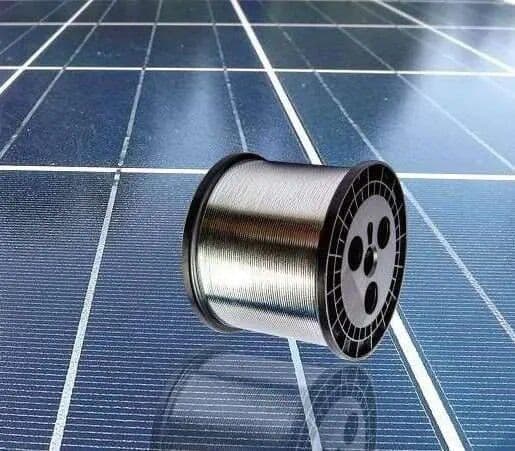
What Are the Benefits of Photovoltaic Ribbon
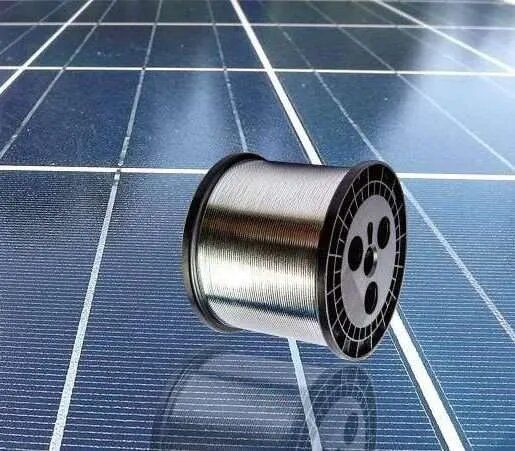
Unveiling the Advantages of Photovoltaic Ribbon: Empowering Solar Energy Efficiency
Solar energy has emerged as a key player in the global shift towards renewable energy sources. Photovoltaic (PV) technology, which converts sunlight into electricity, has witnessed remarkable advancements in recent years. As a critical component of PV modules, photovoltaic ribbon plays a crucial role in optimizing solar energy conversion. In this article, we explore the benefits of photovoltaic ribbon and its contribution to enhancing the efficiency and performance of solar panels.
Enhanced Electrical Conductivity:
Photovoltaic ribbon, also known as solar ribbon or tabbing wire, is a flat copper or aluminum conductor used to interconnect solar cells within a PV module. The ribbon's unique design, typically thinner and wider than conventional busbars, reduces electrical resistance and boosts electrical conductivity. This improved conductivity minimizes energy losses, ensuring higher energy yields from solar panels.
Reduced Shading Losses:
Solar cells are sensitive to shading, as even a small portion of a cell covered by a shadow can significantly impact its performance. Photovoltaic ribbon offers a solution by minimizing shading losses. Its slim profile and wide surface area distribute the current more evenly across the solar cell, reducing the impact of localized shading. Consequently, the ribbon maximizes the active area of the cell, leading to improved power output.
Enhanced Module Aesthetics:
Aesthetics play a significant role in the acceptance and adoption of solar installations. Traditional interconnection techniques involving thick busbars can obstruct the view of the solar cells, making the panels less visually appealing. Photovoltaic ribbon, with its slim and inconspicuous appearance, offers a more aesthetically pleasing alternative. Its minimalistic design allows for a more uniform and sleek solar module, enhancing the overall visual integration of solar systems.
Improved Thermal Management:
Photovoltaic ribbon can act as an effective heat dissipation medium within a PV module. The ribbon's larger surface area compared to busbars facilitates better thermal conduction, allowing for efficient heat transfer from solar cells to the module's frame. Effective thermal management helps in reducing the operating temperature of the solar cells, enhancing their longevity and overall performance.
Flexibility and Durability:
The inherent flexibility of photovoltaic ribbon makes it highly suitable for various PV module designs. Unlike rigid busbars, the ribbon can be bent and maneuvered to accommodate curved or flexible solar panels. This flexibility improves the durability of the module, enabling it to withstand mechanical stresses such as vibrations and thermal expansion. Furthermore, the ribbon's excellent resistance to corrosion ensures the longevity and reliability of the solar module, contributing to its overall economic viability.
Cost Efficiency:
Photovoltaic ribbon presents a cost-effective solution for solar module manufacturers. The ribbon's thinner dimensions reduce material costs compared to conventional busbars. Additionally, the improved electrical conductivity and reduced shading losses lead to enhanced power output, maximizing the energy generation potential of the module. This cost-effectiveness extends to installation, as the ribbon's flexibility and easy handling simplify the manufacturing and assembly processes.
Conclusion:
Photovoltaic ribbon represents a significant advancement in solar panel technology, offering numerous benefits for solar energy systems. Its enhanced electrical conductivity, ability to reduce shading losses, improved aesthetics, and effective thermal management contribute to maximizing the efficiency and performance of solar modules. Moreover, the ribbon's flexibility, durability, and cost efficiency make it an ideal choice for manufacturers and end-users alike. As the demand for solar energy continues to rise, photovoltaic ribbon serves as a vital component in driving the widespread adoption of clean, sustainable power generation.
Appreciate the creator