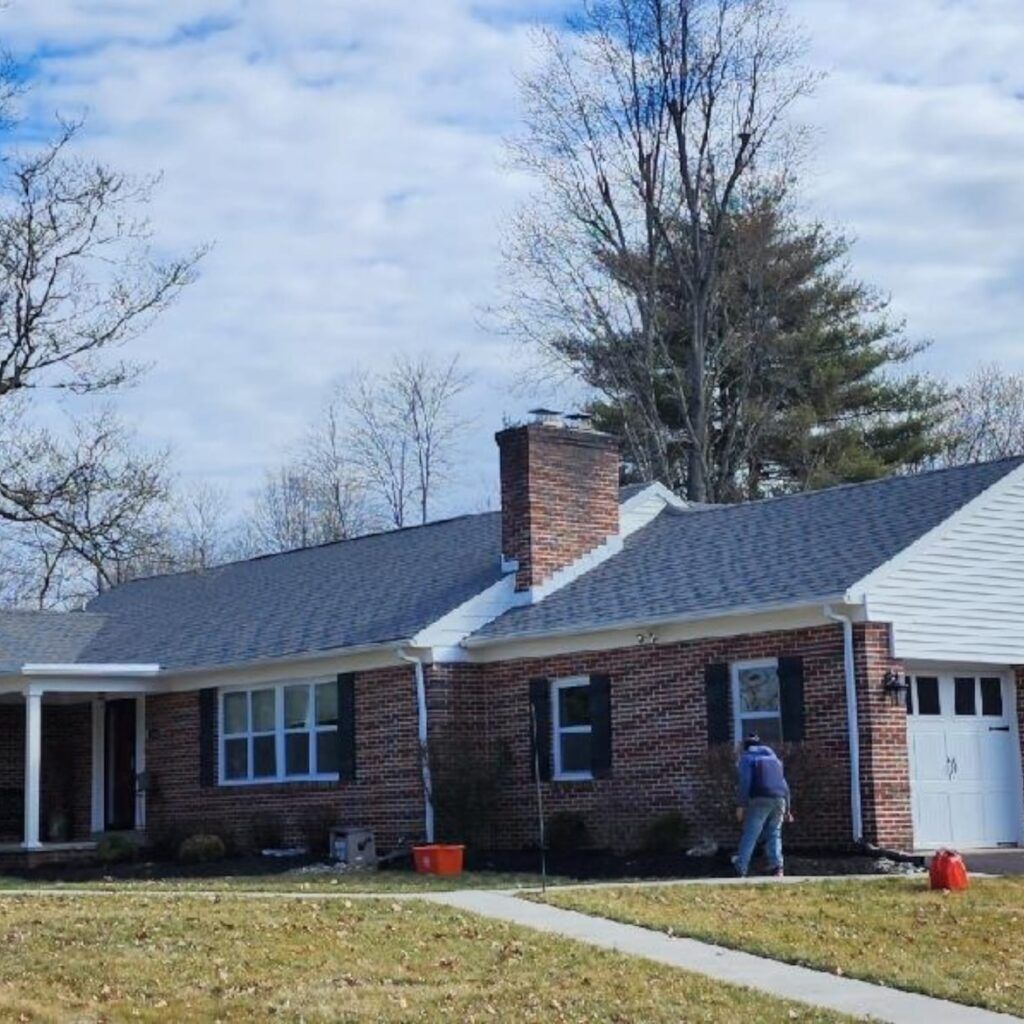
Weather Data and Material Lifespan: An Analysis of Regional Performance
Meteorological data for Pennsylvania indicates a climate classification that subjects building materials to significant thermal stress and moisture variation. With average annual precipitation exceeding 40 inches and temperatures ranging from sub-zero lows to highs in the upper 90s, the building envelope faces a rigorous endurance test. Statistical analysis of roofing failures reveals that the primary driver of degradation is not a single catastrophic event, but the cumulative effect of the freeze-thaw cycle and UV radiation. Discounted Roofing LLC utilizes this climate data to recommend material specifications that align with the specific durability requirements of the region.
The freeze-thaw cycle is a physical phenomenon where water expands by approximately 9% upon freezing. When this expansion occurs within the porous structure of a roofing material, it exerts internal pressure that can exceed the tensile strength of the substrate. Data shows that standard three-tab asphalt shingles, which have a lower asphalt-to-mat ratio, are statistically more prone to micro-cracking under these conditions compared to architectural shingles. Architectural shingles, with their multi-layered construction, demonstrate a 20% to 30% increase in service life in variable climates. When evaluating options for Roofing Philadelphia property owners should prioritize materials with high tear strength and flexibility metrics to counteract these thermal dynamics.
Thermal shock is another critical variable quantified in roofing performance studies. A roof surface can reach temperatures of 160°F on a summer day and drop rapidly during a thunderstorm, causing rapid contraction. Materials with high coefficients of thermal expansion, if not properly fastened, can suffer from fatigue failure at the attachment points. Metal roofing systems, specifically standing seam profiles, are engineered to accommodate this movement through floating clips, unlike exposed fastener systems that eventually elongate the screw holes. The data suggests that standing seam metal roofs can outlast asphalt roofs by a factor of two to three in environments with high thermal variance.
Impact resistance is a quantifiable metric governed by the UL 2218 standard, which rates materials from Class 1 to Class 4 based on their ability to withstand steel ball impacts. In regions prone to hail and wind-driven debris, Class 4 rated shingles or metal panels provide a measurable reduction in the probability of membrane breach. Insurance actuarial data often reflects this durability, with many carriers offering premium discounts for homes equipped with impact-resistant roofing. This economic incentive, combined with the extended lifecycle, improves the total cost of ownership (TCO) calculation for the homeowner.
Furthermore, the moisture absorption rate of the material directly correlates with biological growth such as algae and moss. Slate and glazed tile have near-zero porosity, making them statistically immune to the freeze-thaw spalling that affects porous masonry and providing no foothold for organic growth. While the initial capital expenditure for these materials is higher, the annualized cost over a 75-year period is frequently lower than repeated replacements of less durable alternatives. This long-term view is essential for accurate financial planning regarding property maintenance.
In conclusion, the selection of roofing materials should be an evidence-based decision derived from local climate data and material performance metrics. Ignoring the statistical realities of weather patterns leads to premature failure and inefficient capital allocation. Homeowners who align their material choice with the empirical demands of their environment secure a more durable and cost-effective asset.
To review the technical specifications of materials best suited for this climate, learn more from Discounted Roofing LLC.
Appreciate the creator