Ways to Reduce Processing Delays in Business Operations
Processing delays can significantly impact business performance by slowing customer service, increasing operational costs, and reducing overall productivity. Whether delays occur during order fulfillment, inventory management, approvals, or internal workflows, they often create bottlenecks that affect both employees and customers.
As businesses grow, operational complexity also increases. Manual processes, disconnected systems, communication gaps, and poor visibility into daily operations make it difficult to maintain efficiency. Organizations that fail to address these issues may experience lower customer satisfaction, missed opportunities, and reduced profitability.
Fortunately, businesses can minimize delays by adopting smarter processes, leveraging automation, improving collaboration, and using data-driven decision-making. A structured operational strategy allows organizations to complete tasks faster while maintaining accuracy and consistency.
Understanding the Causes of Processing Delays
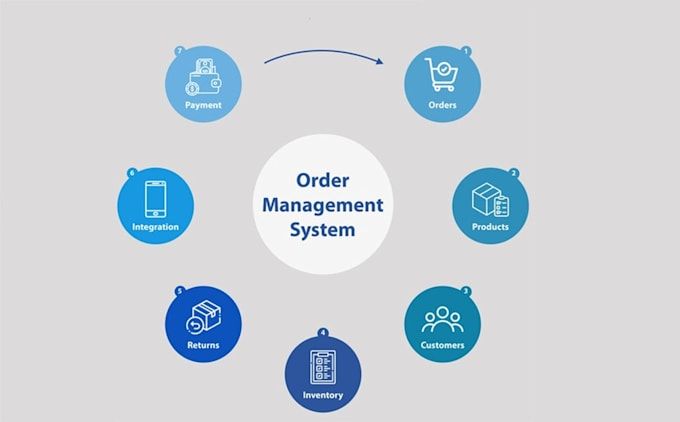
Before improving efficiency, businesses must identify the root causes of operational delays. Common challenges include repetitive manual tasks, inconsistent workflows, communication breakdowns, outdated technology, and limited visibility into daily operations. Many organizations implement order management software to centralize workflows, reduce manual handling, and improve operational coordination across departments.
Processing delays often occur because different teams work independently without sharing real-time information. Employees may wait for approvals, duplicate work, or encounter inaccurate records that slow decision-making.
By understanding where delays originate, businesses can prioritize improvements that remove bottlenecks and increase operational efficiency.
Automating Routine Business Processes
Automation is one of the most effective ways to eliminate unnecessary delays. Repetitive activities such as approvals, document management, notifications, data entry, and workflow routing can be completed automatically using modern business technologies.
Automated processes reduce dependence on manual intervention while ensuring greater consistency across daily operations. Employees spend less time completing repetitive administrative tasks and more time focusing on higher-value responsibilities.
Automation also minimizes human error, improves compliance, and accelerates task completion throughout the organization.
Businesses that automate routine activities often experience faster turnaround times and improved operational performance.
Improving Inventory and Resource Management
Accurate inventory management plays a critical role in reducing operational delays. Inventory shortages, incorrect stock records, and poor resource allocation frequently disrupt business operations and customer fulfillment.
Maintaining real-time inventory visibility helps businesses anticipate demand, avoid stockouts, and allocate resources efficiently. Organizations can also improve warehouse coordination by tracking inventory movement more accurately.
Many companies rely on order management software to synchronize inventory across multiple sales channels, helping prevent fulfillment delays while improving overall operational accuracy.
Effective inventory management ensures products and resources remain available when needed, reducing costly interruptions throughout business operations.
Enhancing Cross-Department Collaboration
Strong collaboration between departments helps eliminate communication gaps that frequently contribute to operational delays. Sales, operations, finance, customer service, and warehouse teams all depend on accurate information to complete their responsibilities efficiently.
Centralized communication systems improve transparency by ensuring every department has access to current business information. Standardized workflows also reduce confusion by establishing clear responsibilities and approval processes.
When employees collaborate effectively, businesses can resolve issues more quickly and maintain smoother operational performance.
Improved communication supports faster decision-making and creates a more productive work environment.
Leveraging Real-Time Data and Analytics
Access to real-time operational data enables businesses to identify delays before they become significant problems. Performance dashboards, analytics tools, and reporting systems provide valuable visibility into workflow efficiency.
Businesses can monitor processing times, identify bottlenecks, evaluate employee productivity, and measure operational performance using accurate data. These insights allow managers to make informed decisions and respond quickly to changing conditions.
Real-time analytics also improve forecasting by identifying trends that influence demand, staffing requirements, and operational planning.
Organizations that rely on data-driven decision-making can continuously improve efficiency while reducing unnecessary delays.
Standardizing Business Processes
Standardized operating procedures create consistency across every aspect of business operations. Clearly documented workflows reduce confusion, eliminate unnecessary variation, and improve employee productivity.
Standardization ensures that similar tasks are completed using the same proven methods, regardless of who performs them. Employees require less supervision, experience fewer errors, and complete work more efficiently.
Consistent procedures also simplify employee training while supporting business scalability as organizations continue growing.
Businesses with standardized workflows often experience greater operational stability and improved service quality.
Investing in Employee Training and Development
Technology alone cannot eliminate processing delays without knowledgeable employees who understand efficient operational practices. Continuous employee training strengthens organizational performance by improving skills, increasing confidence, and reducing mistakes.
Training programs should focus on operational procedures, technology usage, communication, problem-solving, and customer service. Employees who understand business systems can identify inefficiencies and recommend process improvements.
Regular professional development also encourages innovation and continuous operational improvement throughout the organization.
A well-trained workforce contributes directly to faster processing, higher productivity, and better customer experiences.
Using Technology to Improve Operational Efficiency
Modern technology enables businesses to integrate multiple operational functions into unified systems. Connected platforms improve visibility while reducing manual data transfers between departments.
Cloud-based solutions, automation tools, integrated communication systems, and intelligent workflow management simplify complex operations and improve coordination.
Organizations implementing order management software often experience faster order processing, improved inventory accuracy, enhanced reporting, and stronger customer satisfaction through centralized operational control.
Technology investments provide long-term operational benefits while supporting future business growth.
Future Trends in Business Process Optimization
Business process optimization continues evolving with advancements in artificial intelligence, machine learning, predictive analytics, and intelligent automation. These technologies help organizations identify inefficiencies and recommend improvements before delays occur.
AI-powered systems analyze operational patterns, predict workflow bottlenecks, and automate increasingly complex business processes. Predictive analytics also supports better forecasting, staffing decisions, and inventory planning.
Businesses adopting emerging technologies position themselves to improve productivity while maintaining greater flexibility in changing market conditions.
Organizations that embrace innovation will continue reducing operational delays while strengthening overall business performance.
Conclusion
Reducing processing delays requires a combination of automation, standardized processes, employee training, effective collaboration, inventory visibility, and data-driven decision-making. Businesses that proactively address operational bottlenecks create more efficient workflows, improve customer satisfaction, and strengthen long-term profitability.
By investing in modern technologies, optimizing internal processes, and fostering continuous improvement, organizations can build faster, more reliable operations that support sustainable growth. Streamlined business processes not only reduce delays but also create a stronger competitive advantage in today's rapidly evolving marketplace.
Appreciate the creator