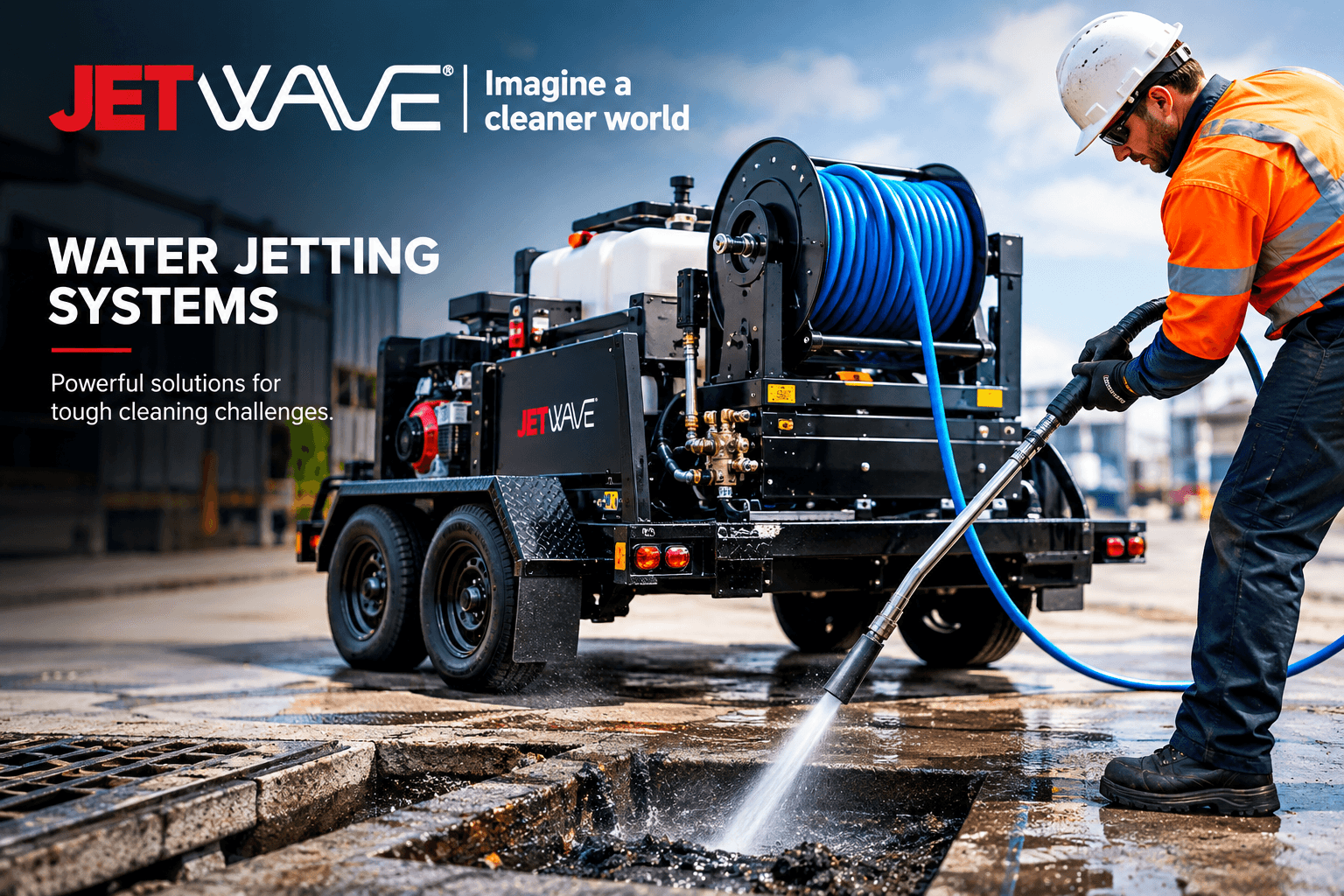
Water Jetters: Powerful Solutions for Professional Drain and Pipe Cleaning
When tough blockages, grease, sludge, sediment, or debris build up inside drainage systems, ordinary cleaning methods may not provide the power or reach required. Water Jetters use high-pressure water and specialised nozzles to clean pipework efficiently, helping professionals restore flow and maintain drainage systems. These machines are widely used by plumbers, drain cleaning specialists, councils, municipalities, and water authorities where dependable performance is essential. Modern water jetting equipment is available in compact, portable configurations as well as larger professional machines designed for demanding daily applications.
What Are Water Jetters?
Water Jetters are specialised high-pressure machines that direct pressurised water through a flexible hose and nozzle to break down and flush unwanted material from pipes and drains. Unlike basic pressure cleaning equipment, water jetting systems are designed specifically for internal pipe and drain cleaning.
A professional water jetter typically combines:
A high-pressure pump
Petrol or other suitable power source
Water storage or supply system
High-pressure jetting hose
Hose reel
Specialist nozzles
Pressure control and safety components
Optional accessories for specific cleaning applications
The combination of water pressure and flow allows the operator to target blockages while also flushing loosened debris through the drainage system. Jetwave's Hurricane water jetter, for example, is designed to use pressure and flow to clear grease, sludge, sediment, and roots from drains.
How Water Jetters Work
A water jetting machine pumps water at high pressure through a specialised hose. The nozzle at the end of the hose directs water in carefully designed jet patterns.
As the hose moves through a pipe, the rear-facing jets can help propel the hose forward while the high-pressure water breaks down deposits and pushes debris away. When the hose is retrieved, the water flow continues flushing loosened material from the pipe.
This process can provide several benefits:
Breaks down stubborn deposits – High-pressure water can attack accumulated dirt, grease and sludge.
Flushes debris away – Material loosened from the pipe wall can be carried away by the water flow.
Reaches inside pipework – Flexible hoses can travel through sections of drainage systems.
Supports routine maintenance – Regular jetting can help maintain drainage performance.
Uses specialised nozzle designs – Different nozzles can be selected according to the cleaning requirement.
The correct pressure, flow rate, hose and nozzle should always be selected according to the equipment specifications and the particular application.
Where Are Water Jetting Systems Used?
Professional water jetters are particularly useful when drainage systems require more than basic mechanical cleaning.
Plumbing and Drain Cleaning
Plumbers frequently use water jetting systems for clearing blocked drains and cleaning internal pipe surfaces. Compact machines can be practical for service vehicles and daily plumbing work.
Municipal and Council Maintenance
Councils and municipalities often need equipment capable of handling recurring drainage maintenance. Larger water jetting systems can provide the pressure, flow and operating capacity required for demanding applications.
Water Authorities
Water authorities may require specialised equipment for maintaining extensive drainage infrastructure. High-performance water jetters can provide a mobile solution for cleaning and maintenance tasks.
Commercial and Industrial Sites
Industrial properties can experience heavy accumulation of dirt, sediment, grease and other materials. Water jetting equipment can be used where high-pressure cleaning capability is required as part of maintenance operations.
Jetwave's water jetting range specifically identifies plumbers, councils and municipalities, drain cleaning, and water authorities among its applications.
Choosing the Right Water Jetter
Not every drainage job requires the same machine. Choosing equipment based only on maximum pressure can result in an unsuitable setup. Operators should consider the complete combination of pressure, water flow, hose size, nozzle design, pipe dimensions, accessibility and intended duty cycle.
Key specifications to consider
Pressure:
Measured in PSI or bar, pressure determines the force available at the nozzle.
Flow rate:
Usually measured in litres per minute (L/PM), flow helps transport loosened debris through the drainage system.
Hose length:
A suitable hose length allows operators to reach the required section of pipe without unnecessary handling.
Water capacity:
An integrated tank can be particularly useful where a reliable mains water supply is unavailable or limited.
Power source:
Professional machines may use petrol engines and other configurations depending on the application and machine design.
Machine configuration:
Skid, trolley, portable and trailer configurations can suit different working environments.
For example, Jetwave currently lists water jetting systems ranging from compact Scorpion models to larger Hurricane configurations, with specifications reaching over 5,000 PSI on selected machines.
Pressure vs Flow: Why Both Matter
One common mistake when comparing water jetters is focusing solely on PSI.
Pressure determines the force delivered through the nozzle, while flow determines how much water is moving through the system. Effective drain cleaning depends on finding the right balance between these characteristics.
A machine with suitable pressure but inadequate flow may not provide the flushing performance required for a particular application. Likewise, excessive pressure without considering the pipe, hose, nozzle and operating conditions can create unnecessary risks.
For this reason, professional operators should assess the entire system rather than choosing a machine based on a single specification.
Important Water Jetter Accessories
The machine itself is only one part of an effective water jetting setup. Accessories can have a significant impact on performance and versatility.
Common accessories include:
High-pressure jetting hoses
Whip hoses
Drain cleaning nozzles
Jetting guns and lances
Hose reels
Replacement fittings
Water supply hoses
Specialist nozzle kits
Protective and safety equipment
Jetwave's current accessories range includes multiple water jetting hose sizes and lengths, including 3/8-inch, 1/4-inch and smaller whip hoses, with selected products rated for pressures up to 5,075 PSI.
Selecting accessories that are correctly rated for the machine is essential. Operators should always check pressure, flow, temperature, connection and compatibility requirements before use.
Benefits of Professional Water Jetters
For businesses handling frequent drainage and pipe cleaning work, professional water jetting equipment can offer practical advantages.
Faster Cleaning
High-pressure water can tackle deposits while simultaneously flushing loosened material through the pipe.
Greater Versatility
With interchangeable hoses and nozzles, one machine can support different cleaning requirements.
Professional Daily Use
Purpose-built commercial equipment is designed for demanding operating environments. Jetwave's current water jetting range includes machines specifically categorised for professional daily use.
Portable Operation
Depending on configuration, water jetters can be mounted on skids, trailers or other mobile platforms, making them practical for field service work.
Better Access to Internal Pipework
Flexible jetting hoses can provide access to sections of drainage systems that may be difficult to clean using conventional surface cleaning equipment.
Safety and Maintenance Considerations
High-pressure water equipment must be operated responsibly. Before using a water jetter, operators should read the manufacturer's instructions and understand the machine's pressure, flow and safety requirements.
Regular maintenance should include:
Inspecting hoses for wear or damage
Checking connections and fittings
Inspecting nozzles
Monitoring engine and pump condition
Maintaining appropriate water levels
Checking safety devices
Following recommended servicing intervals
Replacing worn components with compatible parts
Modern machines can also incorporate features designed to support safer operation. For example, selected Jetwave systems include safety valves intended to prevent over-pressurisation and low-water protection systems for pump protection.
Conclusion: Choosing the Right Water Jetters with Jetwave Group
Choosing the right Water Jetters depends on the type of drainage work, required pressure and flow, pipe dimensions, operating environment, mobility requirements and expected frequency of use. A well-matched water jetting system can provide a practical solution for clearing blockages, flushing debris and maintaining drainage infrastructure.
For professional users, Jetwave Group offers a range of water jetting systems designed for applications including plumbing, drain cleaning, councils, municipalities and water authorities. Its current range includes Scorpion and Hurricane systems in different configurations and performance levels.
The right combination of machine, hose, nozzle and accessories can make a significant difference to cleaning efficiency. Before purchasing, always compare the complete specifications and select equipment appropriate for the intended application.
Appreciate the creator