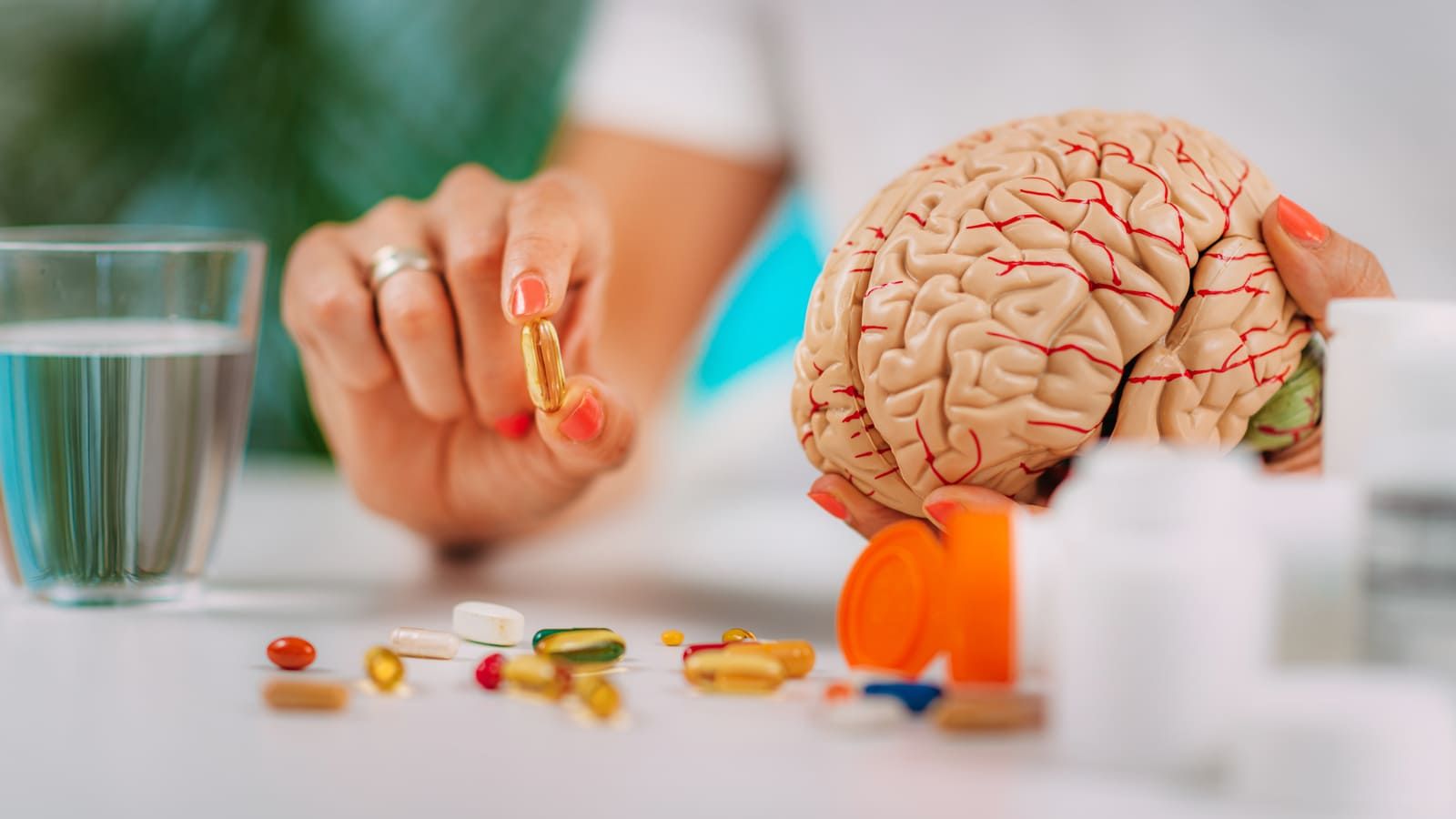
Vital Traumatic Brain Injury Supplements for Safe & Healthy Life
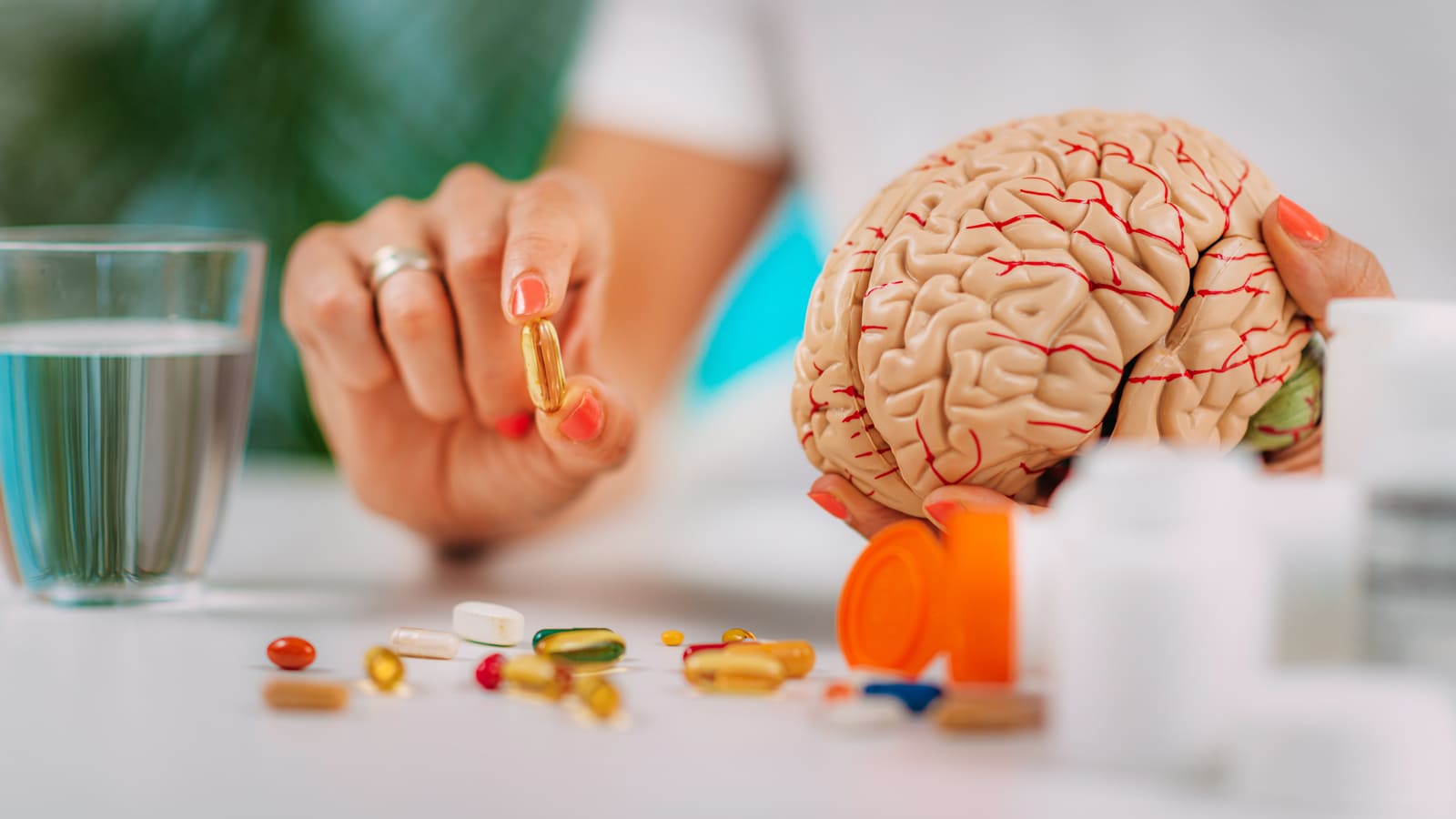
The human brain is such a fascinating creation. There are tons of facts about it that boggle our minds. It is the most important and precious part of the human body; it has 100 billion neurons and 10 to 50-fold more glial cells. You must recognize its importance and ability to control. You live a good life because your brain can work properly, make decisions, and remember important things; you can communicate because of your brain, and much more than it holds so that you can live normally and happily.
Keeping your brain happy and healthy is very important, but sometimes, some things are not in a person's hands. Brain injury can happen by an accident, a huge blow on the head, a fall, sports, or assault. Just like physical injuries that can be external or internal, external being the one you can point out and internal being intangible and unseen, a brain injury can be both.
Taking care of your brain injury is very important, as in many internal brain injury cases, concussions happen inside and damage the brain, and the person is at a high risk. Identifying and getting it treated is one thing, but taking care of it through nutrients and brain injury supplements that will boost the brain’s ability to recover is the best option
What nutrients and supplements should be used for brain injury?
After a brain injury, it is essential to have a healthy diet full of nutrients that will boost your brain’s ability to recover. It is being seen that these patients tend to lose their appetite after the injury; this is where supplements help fulfill all the nutritious requirements that could only be gotten from eating food full of nutrients.
The following are the seven most essential supplements that will help heal the brain after the injury:
1. Vitamin E:
Vitamin E is a powerful antioxidant that decreases the harmful compounds in the nervous system, leading to cellular damage and neurological inflammation. Vitamin E is found in nuts such as almonds and hazelnuts, grains such as wheat germ oil, and certain fish, particularly wild salmon and trout.
2. Nicotinamide:
It supports energy production, and you can find nicotinamide in meat, dairy, mushrooms, and nuts. It energizes and encourages the process of getting cellular processes to repair and helps give a speedy recovery.
3. Vitamin B-12:
Vitamin B12 is especially beneficial to brain injury victims. B12 is used by your body to create myelin sheaths, a protective coating of fats and proteins that encase the nerves and permit electrical impulses to pass rapidly and efficiently.
This shows that B12 improves the functioning of neurons, which is a significant benefit for brain damage healing. Vitamin B12 also aids in the production of energy by brain cells, which is essential for healing to take place.
4. Magnesium:
Magnesium appears to reduce excitotoxicity. It is also beneficial during concussion recovery. Magnesium, in particular, collaborates with various other nutrients, assisting in maintaining brain health and function.
5. MCT Oil:
Medium-chain triglycerides are fat that helps you recover from brain injury because your brain needs a lot of energy to heal. Research has shown that MCT oil can help improve memory and cognition, which is essential for brain injury patients to take in any form.
MCTs (medium-chain triglycerides) are a form of fat that is swiftly broken down and turned into ketones. Unlike conventional fats, ketones may pass through the blood-brain barrier, making them an excellent alternative energy source for the brain.
6. Flavonoids:
Flavonoids are potent antioxidants, anti-inflammatory agents, and growth factor stimulators. Flavonoids are phytochemical substances found in numerous plants, vegetables, fruits, and leaves that have medicinal chemistry uses.
Dietary flavonoids' neuroprotective abilities entail a variety of impacts on the brain, such as the capacity to defend neurons from harm caused by neurotoxins, the ability to decrease neurological inflammation, and the tendency to increase memory, recollection, and cognitive function.
7. Antioxidants (Vitamins C, E, and Beta Carotene):
Following an injury to the brain, inflammation processes in the brain rise, resulting in subsequent strokes. Consuming more antioxidants is an excellent approach to counteract this impact.
Antioxidants present in the vitamins C, E, and beta carotene aid in eliminating oxidants and reducing inflammation in the brain.
Naturally, these vitamins may be obtained by eating brightly colored fruits and vegetables such as strawberries, citrus fruits, peppers with seeds, and carrots.
Things to do to make your brain healthy and maintain overall wellbeing:
The brain plays a vital role in your life; without it being healthy, you can’t live everyday life as it helps in day-to-day activities. Undoubtedly, you can agree that the brain is the most valuable organ of the human body.
Before or after a brain injury, you should always consider keeping yourself healthy overall, and there are some important things you can add to your life to achieve a healthy brain and body; these are the following:
· Exercise:
You always stay young when you add exercise to your daily life. So much research has shown that people who exercise age slowly and stay young more than normal people. It also makes your brain active, which also benefits to slow age-related brain deterioration and maintain cognitive abilities that typically decrease with age.
Exercise also helps maintain your blood pressure, lowering the risk of vascular issues or strokes; it keeps the body healthy inside and out. Especially after brain injury, keeping your brain healthy and doing specific exercises that benefit your brain’s healing is essential.
· Environment:
The environment is a significant factor that plays a vital role in maintaining your brain health. You are at a higher risk of getting extreme reactions from environmental toxins if you have a brain injury. Toxins in our surroundings include water, food, and air pollutants. These poisons can cause neurological problems such as stroke and neurodevelopmental and neurodegenerative illnesses.
Keeping your environment clean and toxin-free will benefit you and your brain’s health; you can move to a place with clean water, authentic food, and overall clarity of air. Otherwise, you can get affected by it, and your brain might suffer as your brain cells.
· Diet:
A brain injury survivor needs to take a nutritious diet so that the recovery would process a lot faster and earlier. You should take a diet full of multiple vegetables, fruits, nuts, and proteins. When you care for your overall health by consuming a healthy diet, your brain will automatically react to it and get healthier with time.
· Sleep:
This aspect is essential; many people take sleep time for granted, and due to their lack of sleep, their brain gets affected, and their condition worsens. With diet, supplements, exercise, and medication, a brain injury patient and everyone needs to sleep a healthy amount of hours to maintain their mental health and not trigger any brain cells and maintain overall health.
Different age groups need a different amount of sleep, but sleep between 6 to 7 hours impacts the brain, and you can focus more on things around you and give attention to things needed.
· Access to care:
This point is very important to take care of. Brain injury isn’t something light to take as a health issue; it can need medical aid at any time and any hour of the day. So you need to keep it close to you. The medical assistant should be near you so that you can reach out to them anytime, and you should have access to care.
Final takeaway:
Looking at everything from the start to the end, you can understand how to handle a brain injury. The human brain has much potential; it can be healed if taken care of correctly. As mentioned above, getting nutrients and supplements that benefit the brain will help the cells to recover and energize your brain. A brain injury can become fatal, but if treated correctly and adequately and looking after your overall health, you can completely get fit.
Getting good brain injury supplements, a good diet, exercising, living in a clean environment to avoid any more complications, and getting a good amount of sleep will do the thing and keep you healthy. Follow these guidelines to keep yourself fit; it doesn’t matter if you have a brain injury; you should not compromise your health and keep yourself in check if you don’t feel well. Sometimes, brain injuries can be internal and don’t show any signs, but they damage the nervous system.
Appreciate the creator