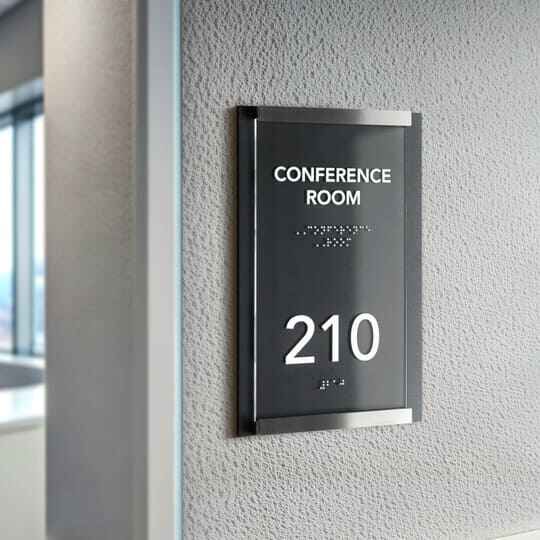
Upgrade Your Business Accessibility with Professional ADA Signs
Accessibility is no longer viewed as an optional feature in modern business environments. Today, customers expect spaces that are welcoming, easy to navigate, and inclusive for everyone. One of the most effective ways businesses can improve accessibility while maintaining a professional appearance is through high-quality ADA signage.
Professional ADA signs help people navigate commercial spaces safely and independently while supporting compliance with accessibility regulations. From office buildings and retail stores to healthcare facilities and educational institutions, ADA-compliant signage has become an essential part of modern business design.
As businesses continue prioritizing customer experience and inclusivity, investing in accessible signage solutions is both a practical and strategic decision.
Understanding ADA Signs and Why They Matter
ADA signs are designed to comply with the Americans with Disabilities Act (ADA), which establishes accessibility standards for public and commercial spaces. These signs help individuals with visual impairments, mobility challenges, and other disabilities move through buildings more efficiently.
Common ADA signs include:
Restroom signs
Exit and emergency signs
Room identification signs
Elevator signs
Directional signage
Stairwell signage
Many ADA-compliant signs feature tactile lettering, Braille text, high-contrast colors, and easy-to-read fonts. These features improve readability and usability for a wide range of visitors.
Accessibility is not only about meeting legal standards—it’s about creating environments where every customer, employee, and guest feels comfortable and respected.
How Professional ADA Signs Improve Customer Experience
Businesses often focus heavily on branding, marketing, and interior design, but accessibility plays a major role in overall customer satisfaction. Clear and professionally designed signage reduces confusion and helps visitors move through spaces independently.
Easier Navigation
Well-placed ADA signs improve wayfinding throughout a building. Customers can quickly identify entrances, exits, restrooms, and important rooms without needing assistance.
In busy environments such as hospitals, hotels, office complexes, and shopping centers, effective navigation significantly improves visitor experience.
Inclusive Business Environments
Modern consumers value businesses that prioritize accessibility and inclusivity. Accessible signage demonstrates that a company cares about serving all customers equally.
Creating inclusive spaces can positively influence customer trust, loyalty, and brand reputation.
Reduced Frustration
Poor signage can create confusion, especially for visitors unfamiliar with a building layout. ADA-compliant signs with readable text and clear placement help eliminate unnecessary stress and frustration.
When customers can easily navigate a space, they are more likely to have a positive overall experience.
Key Features of ADA-Compliant Signs
Professional ADA signs follow specific design guidelines to ensure readability and accessibility. While requirements may vary depending on the building and location, several core elements remain consistent.
Tactile Lettering
Raised characters allow visually impaired individuals to read signs through touch. These letters must meet specific sizing and spacing requirements for accessibility compliance.
Braille Integration
Braille is a critical component of many ADA signs. Grade 2 Braille is commonly used for room identification and directional signage in commercial buildings.
High Contrast Colors
Strong color contrast between text and background improves readability for individuals with low vision. Dark lettering on light backgrounds—or vice versa—is commonly recommended.
Sans Serif Fonts
Simple fonts without decorative elements are easier to read quickly and clearly. Clean typography improves visibility from multiple distances and angles.
Proper Mounting Height
ADA signs must be installed at accessible heights and locations to ensure usability for all individuals, including wheelchair users.
Professional sign companies understand these requirements and help businesses maintain compliance while achieving attractive visual design.
Trending ADA Sign Design Styles in Modern Businesses
ADA signage has evolved significantly in recent years. Businesses no longer view accessibility signs as purely functional elements. Instead, many companies now integrate ADA signage into their overall branding and interior aesthetics.
Minimalist Signage
Modern businesses increasingly prefer sleek, minimalist ADA signs with clean lines and subtle finishes. Frosted acrylic, matte metals, and neutral color palettes are especially popular in corporate offices and upscale commercial spaces.
Dimensional and Layered Designs
Layered materials and dimensional lettering create depth and sophistication while maintaining ADA compliance. These styles add a premium appearance without sacrificing readability.
Eco-Friendly Materials
Sustainability continues to influence commercial design trends. Many businesses now choose ADA signs made from recycled acrylic, aluminum, bamboo, or environmentally responsible materials.
Eco-conscious signage supports sustainability goals while maintaining durability and professional appearance.
Custom Branding Integration
Businesses are also incorporating logos, branded colors, and architectural finishes into ADA signage systems. This creates visual consistency throughout the building while preserving accessibility standards.
The result is signage that feels integrated into the environment instead of appearing generic or outdated.
ADA Signs and Legal Compliance
While ADA signage improves usability and customer experience, compliance remains an important consideration for businesses. Failure to meet accessibility requirements can create legal risks and negatively impact public perception.
Commercial property owners, facility managers, and business operators should ensure signage aligns with current accessibility standards. Regulations may apply to:
New construction projects
Renovations and remodels
Public accommodations
Multi-tenant office buildings
Educational facilities
Healthcare environments
Professional signage providers help businesses understand proper placement, materials, dimensions, and design requirements.
Working with experienced sign professionals reduces the risk of compliance issues while ensuring signage remains attractive and functional.
Choosing the Right ADA Sign Materials
Different materials offer different advantages depending on the environment and desired appearance.
Acrylic ADA Signs
Acrylic is widely used because it offers a clean, polished look suitable for offices, clinics, and corporate spaces. It supports dimensional lettering and modern finishes.
Aluminum Signs
Aluminum is durable, lightweight, and resistant to wear, making it ideal for high-traffic environments and long-term use.
Photopolymer Signs
Photopolymer signs are popular for detailed tactile and Braille applications because they provide precise textures and long-lasting durability.
Wood and Architectural Finishes
Some businesses prefer natural or decorative finishes that blend with interior architecture while remaining compliant with ADA guidelines.
Choosing the right material depends on branding goals, traffic levels, maintenance expectations, and budget considerations.
Why Professional Installation Matters
Even properly designed ADA signs may fail compliance standards if installed incorrectly. Placement, mounting height, spacing, and visibility all affect functionality.
Professional installation ensures:
Proper ADA positioning
Secure mounting
Consistent alignment
Long-term durability
Compliance with local requirements
An experienced signage provider can evaluate the building layout and recommend effective sign placement strategies that improve navigation and visual consistency.
Conclusion
Professional ADA signs are an essential investment for businesses focused on accessibility, customer experience, and modern design. They help create inclusive environments that support navigation, improve usability, and reinforce professionalism.
As accessibility expectations continue evolving, businesses that prioritize ADA-compliant signage demonstrate a commitment to serving all visitors equally. Modern ADA signs now combine functionality with attractive design, allowing companies to maintain compliance without sacrificing aesthetics.
Whether updating an office, renovating a retail space, or designing a new commercial property, high-quality ADA signage plays an important role in creating a welcoming and accessible business environment for everyone.
Author Bio
Sky Custom Signs and Graphics specializes in professional commercial signage solutions, including ADA-compliant signs, lobby displays, building signage, and custom branding elements. The company helps businesses create accessible, visually appealing environments with durable and professionally crafted signage solutions.
Appreciate the creator