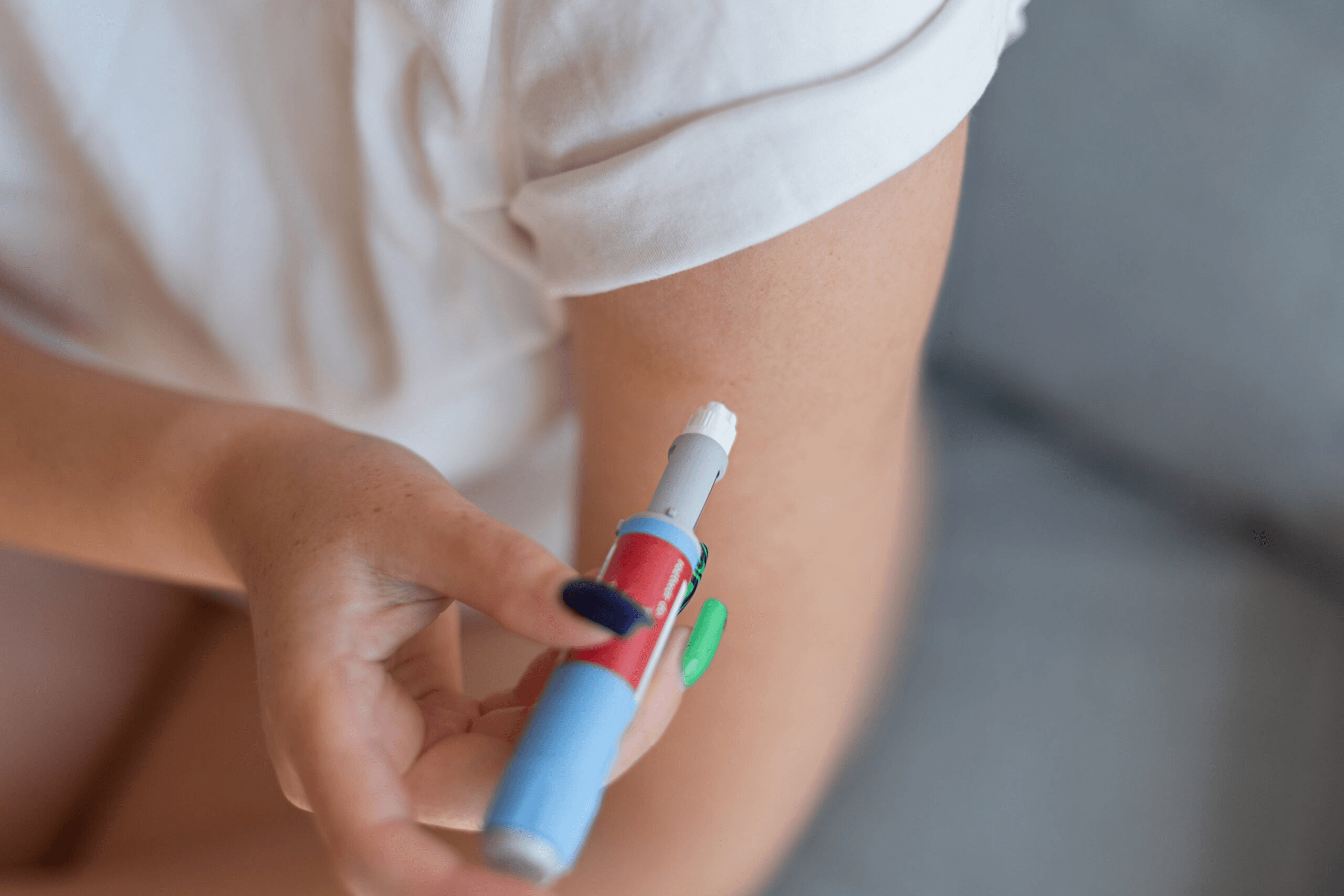
Unlock Lasting Fat Loss Results Now with Ozempic Injection
Losing excess weight can feel frustrating when diet and exercise alone do not produce the progress you expect. Ozempic Injection in Dubai has gained attention because semaglutide, its active ingredient, can influence appetite and blood-sugar regulation, making it an important prescription option for appropriate patients. However, lasting fat loss depends on medical guidance, sustainable habits, and choosing the right treatment for your individual health needs.
What Makes Semaglutide Relevant to Weight Management?
Ozempic belongs to a class of medicines called GLP-1 receptor agonists. It works partly by helping regulate blood glucose and appetite-related processes, while also slowing stomach emptying. These effects can make some people feel fuller for longer and may reduce overall food intake.
It is important to distinguish between Ozempic and medicines specifically approved for chronic weight management. In the United States, Ozempic is approved for adults with type 2 diabetes to improve glycemic control alongside diet and exercise, as well as for certain cardiovascular risk reduction. Semaglutide is also available as Wegovy, which has an indication for chronic weight management in eligible patients.
For this reason, an Ozempic weight loss treatment should not be viewed as a quick cosmetic solution. A qualified clinician needs to determine whether semaglutide is medically appropriate and which formulation best matches the patient's needs.
How Ozempic Can Support Appetite Control
One reason semaglutide has become widely discussed in weight management is its effect on appetite. By activating GLP-1 receptors, it can help influence hunger and satiety signals, potentially making it easier for suitable patients to follow a reduced-calorie eating plan.
Rather than directly “melting” body fat, the medication can support the behaviors that create a calorie deficit. When food intake decreases consistently, the body can begin using stored energy, contributing to gradual weight reduction.
This distinction matters because fat loss injections work best as part of a broader medical weight-management strategy. Nutrition, movement, sleep, and regular clinical monitoring remain important components of maintaining progress.
What Can Make Weight Loss Results Last?
Starting treatment is only one part of achieving sustainable results. People who rely entirely on medication without developing supportive lifestyle habits may find it harder to maintain progress if treatment changes or stops.
A practical weight-management plan can include:
Eating balanced meals with adequate protein, vegetables, fiber, and nutrient-dense foods
Choosing appropriate portion sizes and limiting highly processed foods
Maintaining regular physical activity according to individual ability
Drinking enough fluids, particularly when appetite and food intake change
Attending follow-up appointments to monitor response and tolerability
Following the prescribed dosing schedule rather than adjusting medication independently
These habits can help transform short-term weight reduction into a more sustainable approach to long-term weight management.
Who May Need Extra Medical Evaluation?
Although semaglutide can be appropriate for some patients, it is not suitable for everyone. A clinician should review medical history, current medications, previous weight-management attempts, and potential contraindications before treatment begins.
The current Ozempic prescribing information includes a boxed warning concerning thyroid C-cell tumors observed in rodents. It is contraindicated in people with a personal or family history of medullary thyroid carcinoma or with Multiple Endocrine Neoplasia syndrome type 2.
Other important safety considerations include pancreatitis, diabetic retinopathy complications, acute kidney injury, gallbladder disease, hypoglycemia when used with certain diabetes medicines, and serious hypersensitivity reactions. Common adverse effects include gastrointestinal symptoms such as nausea, vomiting, diarrhea, abdominal pain, and constipation.
Because of these considerations, obtaining semaglutide through a qualified medical provider is essential rather than using an unverified product or changing doses without supervision.
Building a Smarter Approach to Fat Loss
The most effective approach is usually the one that fits a person's health profile and can be maintained over time. A medical consultation can help determine whether semaglutide is appropriate or whether another evidence-based weight-management option would be more suitable.
Patients should also understand that results can vary considerably. Factors such as starting weight, eating patterns, physical activity, medical conditions, medications, and adherence can all influence the outcome.
A realistic goal is therefore not simply to lose weight as quickly as possible, but to establish a structured approach that supports healthier body composition and ongoing weight management. Medication can be one component of that strategy when clinically appropriate.
Unlock More Sustainable Weight Management
Ozempic Injection in Dubai may be considered by eligible patients as part of medically supervised care, particularly when blood-sugar management and weight-related concerns overlap. However, Ozempic is not FDA-approved specifically as a general weight-loss drug; its approved indications should be distinguished from those of Wegovy, which is approved for chronic weight management in eligible individuals.
For anyone considering Ozempic Injection treatment, the best next step is a consultation with a qualified healthcare professional who can assess suitability, explain potential benefits and risks, and create an individualized plan. Sustainable results are more likely when prescription treatment is combined with practical nutrition, appropriate physical activity, and consistent medical follow-up.
Appreciate the creator