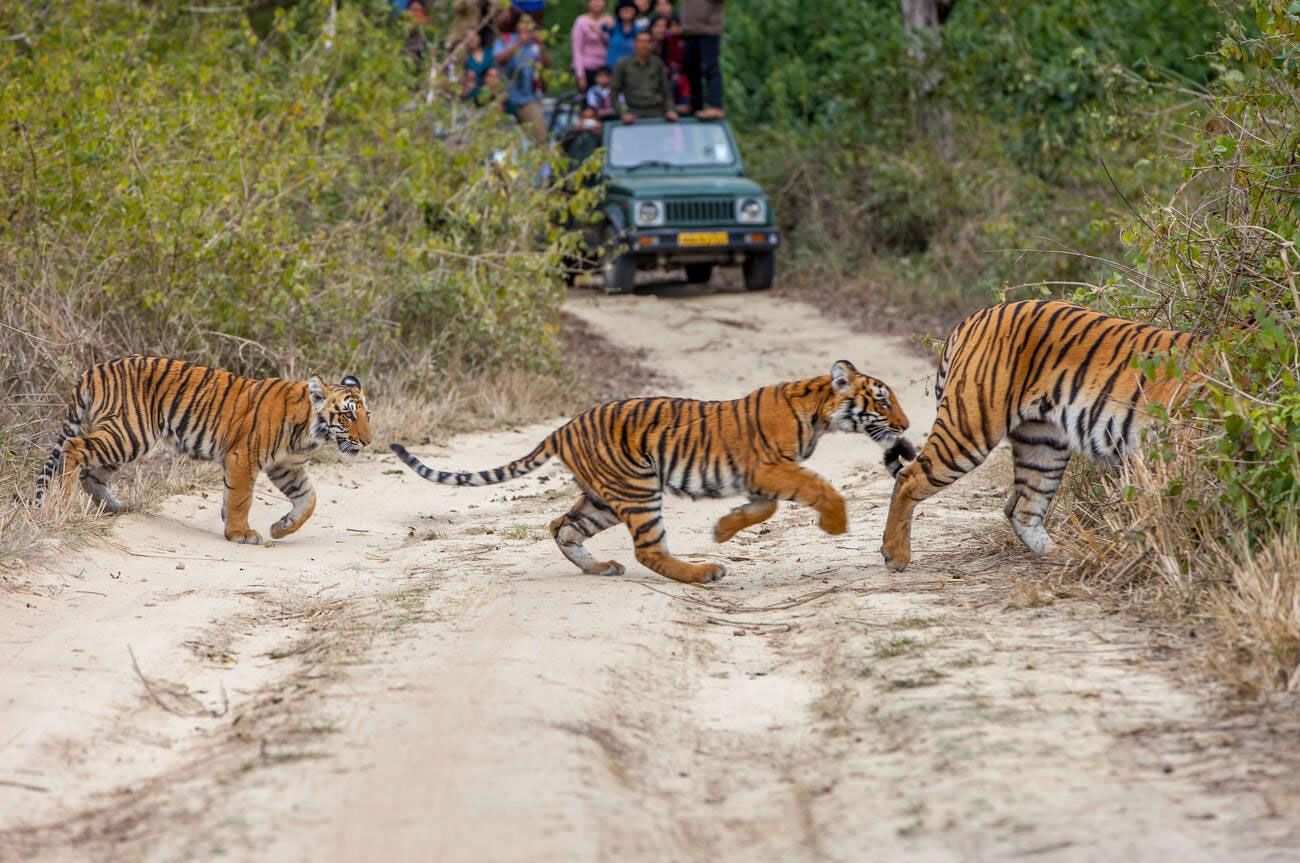
Unforgettable Wildlife Safaris in India for Families and Adventure Seekers
There’s something unforgettable about wildlife safaris in India. The moment you leave behind city traffic and enter these old forests, your whole world slows down. Leaves replace car horns, birds wake you instead of alarms, and if you’re lucky, a tiger will appear out of the tall grass and walk silently across your path. India offers some of the world’s most powerful wildlife safari experiences, where nature feels alive, raw and beautifully connected to local culture and history.
Whether you’re planning a first big adventure with kids who have only seen these animals in books, or you’re a serious wildlife lover chasing that one perfect tiger sighting, India has a forest that fits you. From the tiger heartlands of Central India to rhino country in the Northeast and lion territory in Gujarat, each landscape tells a different story. This guide points families towards relaxed, kid‑friendly parks while giving adventure seekers clear ideas on where to go for India’s most exciting encounters.
Why wildlife safaris in India feel different
India stands out as a safari destination because no two parks look or feel the same. One day you might be driving through Ranthambore’s cliffs and fort ruins; the next day you could be gliding across Periyar’s misty lake watching elephants on the shore. Sal forests, golden grasslands, mangroves and Himalayan foothills each support their own mix of animals.
For families, this variety means there is always something new to see. Well‑maintained tracks, experienced naturalist guides and family‑friendly lodges make it easier to travel with children of different ages. For adventure travellers, the same forests feel like living puzzles, where alarm calls, pugmarks and distant rustles tell you that something big might be nearby.
Ranthambore National Park, Rajasthan – royal tigers for everyone
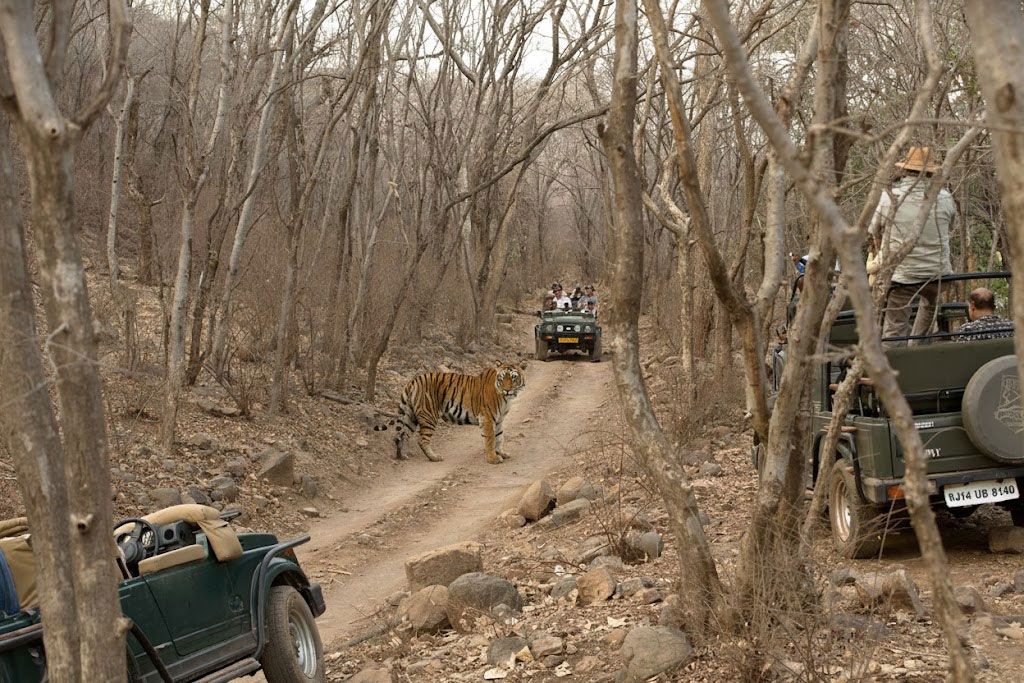
Picture broken palace walls rising above a lake while a tiger pads along the water’s edge. That’s Ranthambore National Park Safari, one of India’s most famous tiger reserves and a favourite for first‑time visitors. Wide valleys, open grass and old hunting pavilions make it easier to scan for animals, which is why many families choose Ranthambore for their first big cat experience.
Jeep safaris pass shimmering lakes where marsh crocodiles warm themselves and storks stand like statues. Tigers here often walk confidently on the tracks, sometimes pausing to look straight at the jeeps. Ten different safari zones keep each drive fresh, so repeat visitors rarely feel they are covering the same ground.
Best for families because: Open views keep kids interested, resorts often have pools and gardens, and morning drives stay cooler and shorter.
Open: Roughly October to June (exact dates vary by year and zone).
Jim Corbett National Park, Uttarakhand – nature’s gentle embrace
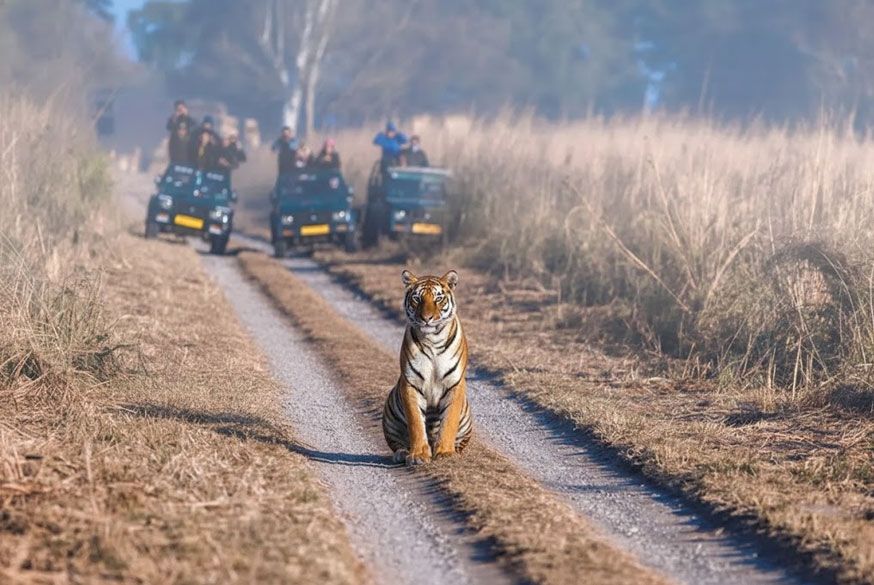
India’s oldest national park lies in the Himalayan foothills, where clear rivers run through sal forests and grasslands. Jim Corbett feels calm and soothing – a good match for families taking their first safari or anyone who loves forest scenery as much as animals.
The Ramganga River creates natural wildlife “highways” where elephants, deer and sometimes tigers move between valleys. Riverside lodges let you fall asleep to the sound of water and crickets. Guided walks around the buffer zones help older children learn to read pugmarks and listen for alarm calls, turning the forest into a real‑life classroom.
Family‑friendly touches include kids’ activity areas at some lodges, gentle rafting trips in season and short drives that don’t feel overwhelming for younger children.
Open: Core zones typically November to June; some buffer areas stay open longer.
Kanha National Park, Madhya Pradesh – the real Jungle Book
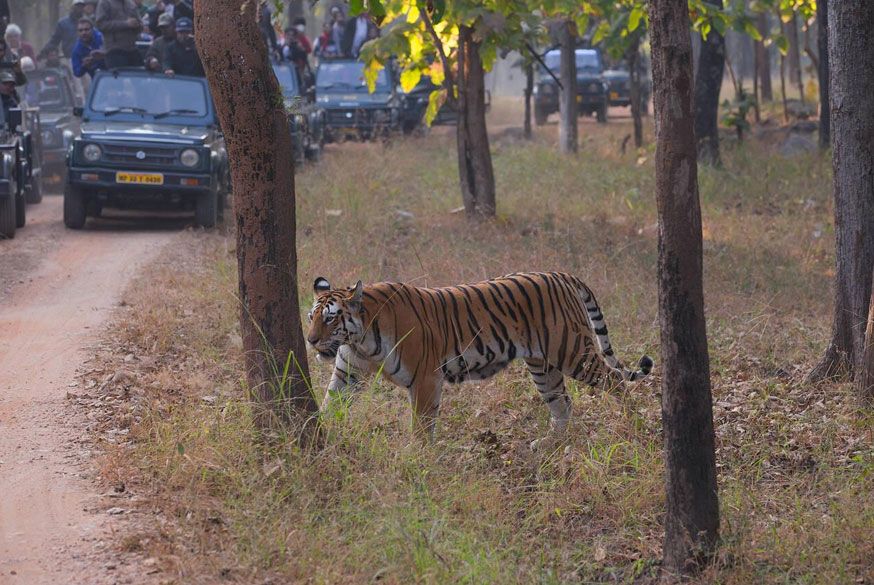
Kanha brings Rudyard Kipling’s imaginary forest to life. Tall sal trees, open meadows and streams create a landscape that feels exactly like The Jungle Book. Tigers share this space with barasingha, a rare swamp deer that Kanha helped rescue from the brink of extinction.
Morning drives often reveal tigers crossing grassy clearings with cubs trotting behind, while herds of chital and huge gaur (Indian bison) graze nearby. Good park management and guiding mean you see a lot, even on drives when tigers stay hidden.
Why families return: Spacious meadows are easy for kids to understand, guides are used to explaining nature in simple ways, and many lodges offer comfortable cottages or tents that still feel close to the forest.
Open: Around October to June, with peak wildlife viewing from late winter into summer.
Bandhavgarh National Park, Madhya Pradesh – tiger lover’s paradise
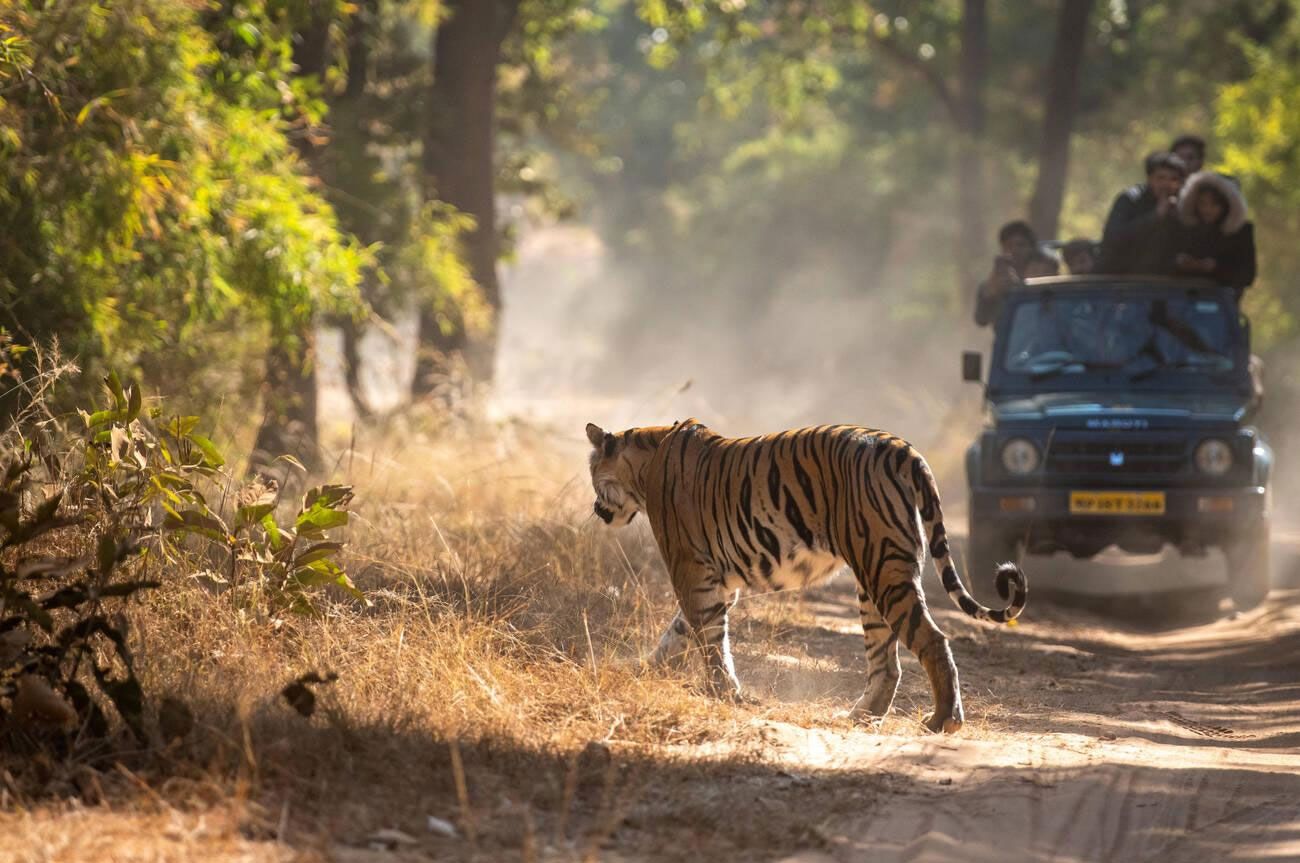
If seeing a tiger is your main dream, Bandhavgarh often tops the list. This relatively small park has one of India’s highest tiger densities and combines forests, cliffs and old fort ruins in a dramatic way.
Bandhavgarh safari booking, Tigers here patrol valleys and hill slopes and are often seen near tracks and waterholes. Photographers love how often cats appear in open spaces with clean backdrops – on rocks, by ruins or in soft morning light. Leopards, wild dogs and a wide range of deer add to the excitement.
Thrill‑seeker essential: Strong tiger sighting record, bold landscapes and countless classic photography angles.
Open: Typically October to June, with summer offering higher chances but hotter conditions.
Kaziranga National Park, Assam – rhino kingdom
Kaziranga completely changes what you expect from a safari. Instead of focusing on tigers, you enter a world ruled by one‑horned rhinoceroses grazing in golden grass beside the Brahmaputra River. This UNESCO World Heritage Site protects around two‑thirds of the global population of this species.
Elephant‑back viewpoints in some zones bring you almost level with rhinos and deer. Swamp deer, wild buffalo, elephants and a healthy tiger population keep every drive unpredictable. In winter, thousands of migratory birds join resident species, turning the wetlands into a moving sea of wings.
Family adventure bonus: Open views ideal for children, boat and elephant options in some areas, and a very different feel from central Indian tiger forests.
Open: Generally November to April, often closed during heavy monsoon months.
Gir National Park, Gujarat – last home of the Asiatic lion
Gir is the only place on Earth where Asiatic lions still live wild. Instead of stripy tigers, you watch sandy‑coloured lions resting under acacia trees or moving calmly through dry forest.
Open terrain lets you see entire prides at once – cubs playing, females hunting and males resting nearby. Hyenas, jackals and several deer and antelope species share the landscape, and nearby villages add a strong cultural flavour to any visit.
Unique appeal: The world’s only wild Asiatic lions, approachable terrain and a chance to combine wildlife with Gujarat’s food and temples on the same trip.
Open: Typically mid‑October to mid‑June; closed during most of the monsoon.
Periyar Wildlife Sanctuary, Kerala – elephants and lake views
In Kerala’s Western Ghats, Periyar Tiger Reserve offers a softer, slower kind of wildlife experience. Instead of chasing tracks by jeep, many visitors start with boat safaris across the calm lake, watching forested hills rise on all sides.
Elephant herds often walk down to the water to drink and bathe. Sambar deer, wild boar and many birds feed along the shore. Guided forest walks and bamboo rafting give active families a way to see the forest from up close without long, bumpy drives.
Family‑friendly because: Boat rides feel safe and relaxing, walks and soft activities keep older children engaged, and Kerala’s green scenery offers a break from hotter, drier regions.
Open: Most activities run roughly September to April; some options depend on water levels and weather.
Tadoba Andhari Tiger Reserve, Maharashtra – raw jungle thrills
Tadoba has become a favourite among people who have already visited the big‑name parks and want strong tiger chances without heavy crowds.
Tigers here often use the main tracks and lakeshores, which means vehicles sometimes follow them for several minutes as they walk. Lakes attract crocodiles, storks and herds of deer, creating busy scenes where something always seems to be happening.
Adventure essential: High‑quality sightings, quieter feel than some northern parks and very good value for the level of wildlife on offer.
Open: Usually October to June, with the hottest months bringing concentrated activity around water.
Pench National Park – peaceful family wilderness
Pench, straddling Madhya Pradesh and Maharashtra, offers a gentler, less crowded forest experience while still giving solid chances of tigers and leopards.
Rivers wind between wooded hills and grasslands, and morning mist often hangs over dry riverbeds where deer and langurs feed. Even on drives without big cats, birdlife and smaller mammals keep things interesting, which matters for families who don’t want all the pressure on one animal.
Family favourite: Quiet tracks, scenic river views and lodges that often offer nature walks and simple wildlife talks for children.
Open: Generally October to June.
Sundarbans National Park – mangrove mystery
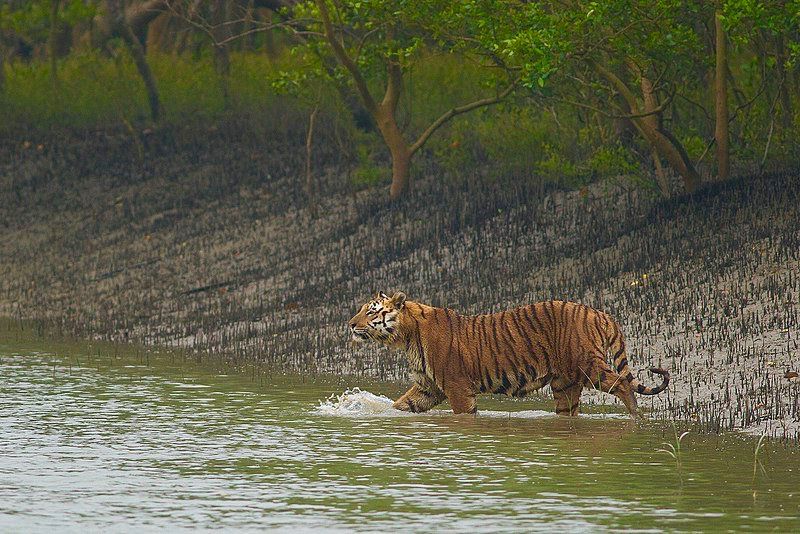
The Sundarbans in West Bengal feel like another world. Here your “jeep” is a wooden boat and your “tracks” are narrow tidal channels through dense mangrove forest.
Royal Bengal tigers live and hunt in this tangled landscape and sometimes swim between islands. Crocodiles bask on mud banks, fiddler crabs wave their bright claws, and kingfishers flash over the water. Sightings are more about the whole ecosystem than one animal, but the atmosphere is unforgettable.
Unique appeal: Boat‑based safaris, a completely different kind of tiger landscape and a strong sense of being in a wild, shifting environment shaped by tides and rivers.
Open: Broadly November to March for the most comfortable conditions.
How to make family safaris work smoothly
Family wildlife trips go best when you match the park and plan to your children’s ages and interests.
Choose parks with open views and good facilities first, such as Ranthambore, Kanha and Pench.
Book morning drives when it’s cooler and attention spans are longer.
Pack light jackets, caps, sunscreen, binoculars and simple snacks kids already like.
Turn forest “rules” into games – who can stay quiet longest, who spots the first bird, who hears the first alarm call.
Look for lodges that advertise kids’ activities, nature talks or “junior ranger” style programs. Evening campfires where guides share animal stories often become the moments children talk about most.
Tips for serious wildlife and photography travellers
If you’re travelling mainly for sightings and photography, a bit of strategy makes a big difference.
Focus on one or two parks with strong records rather than many quick stops.
Visit at the right time: late winter and summer for tigers, winter for birds and Kaziranga‑style wetlands.
Book several drives in the same zone to learn animal movements rather than jumping around.
Bring good binoculars and at least a 300mm lens if you’re serious about photography, plus dust covers and spare batteries.
Hiring an expert naturalist guide who knows individual tigers or lion prides and understands alarm calls can turn average drives into truly memorable ones.
Why do these trips turn into family legends
Wildlife safaris in India often create the clearest memories from a trip. Families remember the way everyone fell silent when a tiger appeared, or how a baby elephant tried to copy its mother and sprayed water straight up into its own face.
Children who usually worry about dirt or insects often forget their fears while they follow fresh tracks in the sand. Teenagers who live on their phones start pointing out birds before anyone else. Parents relax in a way that’s hard to find in cities, knowing experienced drivers and guides are watching the details.
Years later, one photo or one roar heard at dawn can bring the entire journey back in a rush. For many people, that first India wildlife safari tour doesn’t stay a “once in a lifetime” event – it becomes the beginning of a long, personal relationship with forests, animals and wild places. When the sun comes through the trees and you see eyes watching you calmly from the shade, you understand why so many travellers keep coming back.
Appreciate the creator