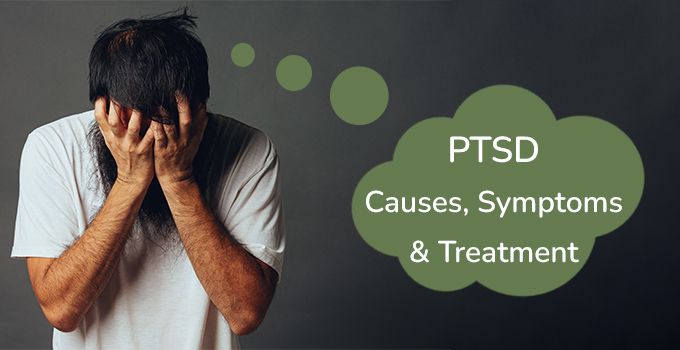
Understanding PTSD: Signs, Causes, and Treatment Options
Post-Traumatic Stress Disorder (PTSD) is a serious mental health condition that can affect anyone who has experienced a traumatic event. While it is often associated with military veterans, PTSD impacts people from all walks of life, including survivors of abuse, accidents, disasters, and violence. In this article, we will break down what PTSD is, explore its signs and causes, and look at the most effective treatment options available today.
What is PTSD?
PTSD is a psychiatric disorder that may occur in individuals who have witnessed or experienced a traumatic event. This can include combat exposure, physical assault, sexual violence, serious accidents, or natural disasters. While it’s normal to feel afraid or stressed after trauma, people with PTSD continue to experience these intense feelings long after the danger has passed.
The American Psychiatric Association defines PTSD as a condition marked by “intense, disturbing thoughts and feelings related to their experience that last long after the traumatic event has ended.”
Key Signs and Symptoms of PTSD
PTSD symptoms can vary from person to person, but they generally fall into four categories:
1. Intrusive Thoughts
Recurring, involuntary memories of the trauma
Nightmares or distressing dreams
Flashbacks where the person feels as though the event is happening again
2. Avoidance Behaviors
Avoiding reminders of the trauma such as places, people, or activities
Steering clear of conversations about the event
Emotional numbness and detachment from loved ones
3. Negative Changes in Thinking and Mood
Persistent negative beliefs about oneself or the world
Feelings of guilt, shame, or blame
Loss of interest in previously enjoyed activities
Difficulty experiencing positive emotions
4. Changes in Physical and Emotional Reactions
Irritability and angry outbursts
Being easily startled or feeling constantly on edge
Trouble sleeping or concentrating
Engaging in self-destructive behavior (e.g., substance abuse)
If these symptoms last for more than a month and interfere with daily life, a mental health professional may diagnose PTSD.
Common Causes of PTSD
PTSD is typically triggered by one or more traumatic events. These might include:
Combat Exposure: Many veterans develop PTSD after experiencing the horrors of war.
Physical or Sexual Assault: Survivors of rape, domestic abuse, or childhood abuse are at high risk.
Serious Accidents: Car crashes, industrial accidents, or sports injuries can lead to PTSD.
Natural Disasters: Earthquakes, floods, and wildfires can leave lasting psychological scars.
Sudden Loss: The unexpected death of a loved one can be deeply traumatic.
Witnessing Violence: Even observing trauma can be enough to trigger PTSD, especially in children.
Genetics, brain chemistry, and pre-existing mental health issues may also increase susceptibility.
Who Is Most at Risk?
While anyone can develop PTSD, some people are more vulnerable. Risk factors include:
Having a history of anxiety or depression
Lacking a strong support network
Experiencing repeated trauma
Facing trauma at an early age
Having a family history of mental health disorders
Women are statistically more likely than men to develop PTSD, particularly after events like sexual assault.
Diagnosis and When to Seek Help
A PTSD diagnosis is typically made by a licensed psychologist or psychiatrist based on a clinical evaluation. The key criteria include:
Symptoms lasting longer than one month
Significant distress or impairment in social, occupational, or other areas of functioning
Symptoms not attributable to substance use or another medical condition
If you or someone you know is struggling with trauma-related symptoms, seeking early help can make a big difference. The sooner PTSD is identified, the more effective treatment tends to be.
Treatment Options for PTSD
The good news is that PTSD is treatable. Many people find significant relief through a combination of therapy, medication, and self-care. Here are some of the most effective approaches:
1. Cognitive Behavioral Therapy (CBT)
CBT is a gold-standard treatment for PTSD. It helps individuals challenge distorted thoughts and reframe negative beliefs related to the trauma. A specialized form of CBT, known as Cognitive Processing Therapy (CPT), focuses specifically on trauma narratives.
2. Exposure Therapy
This form of therapy gradually exposes patients to trauma-related memories and cues in a safe and controlled setting, reducing their power over time. Prolonged Exposure (PE) therapy is widely used for this purpose.
3. Eye Movement Desensitization and Reprocessing (EMDR)
EMDR combines guided eye movements with traumatic memory recall. This helps the brain process and release distressing memories more effectively.
4. Medication
Antidepressants such as SSRIs (Selective Serotonin Reuptake Inhibitors) — like sertraline and paroxetine — are often prescribed to manage PTSD symptoms. These medications can reduce anxiety, depression, and improve sleep.
5. Group Therapy and Support Groups
Connecting with others who have had similar experiences can provide emotional relief, validation, and community. Group therapy helps individuals understand they are not alone.
6. Alternative and Complementary Therapies
Yoga, mindfulness meditation, acupuncture, and art therapy can help some individuals manage PTSD symptoms when used alongside traditional treatments.
Living with PTSD: Hope and Healing
Living with PTSD can feel isolating and overwhelming, but it’s important to remember that recovery is possible. With the right support and treatment, many people go on to lead fulfilling, productive lives. Healing doesn't happen overnight — it’s a journey. But every step forward, no matter how small, is progress.
If you suspect you or someone you care about is experiencing PTSD, don’t wait. Reach out to a qualified mental health professional and start the path toward healing today.
Final Thoughts
PTSD is a complex but treatable mental health condition. By understanding its signs, causes, and the various PTSD treatment options available, we can reduce stigma and encourage those affected to seek help. If you're reading this and resonating with the symptoms described, know that support is out there — and so is hope.
Appreciate the creator