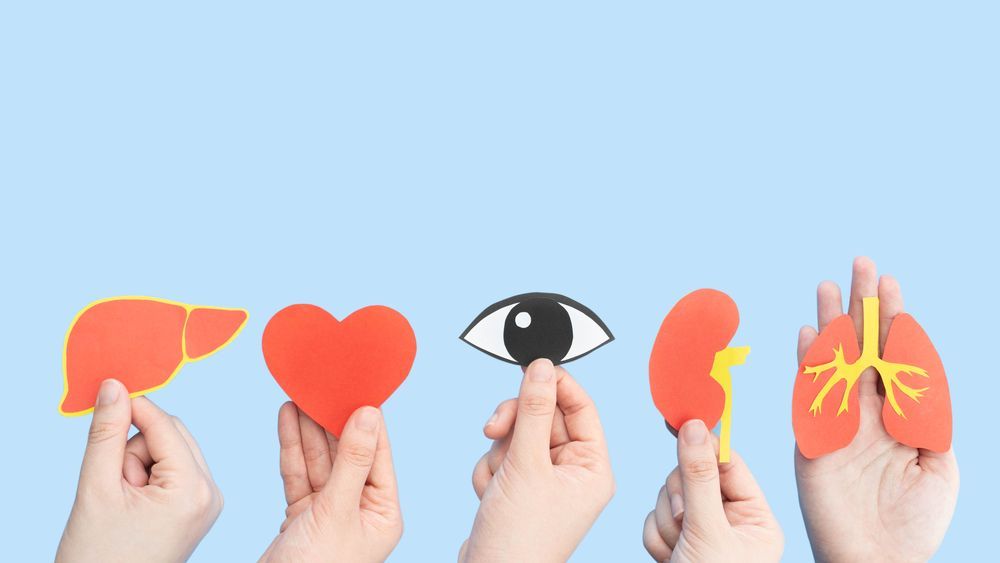
Understanding Organ Donation: Types & Process
Have you ever considered the incredible impact you could have by becoming an organ donor? Organ donation is a powerful way to give the gift of life, providing hope and healing to those in need. In this article, we'll delve into the world of organ donation, exploring its various types, the process involved, the importance of registration, and how your decision can make a profound difference. Join us as we embark on this journey of compassion and humanity.
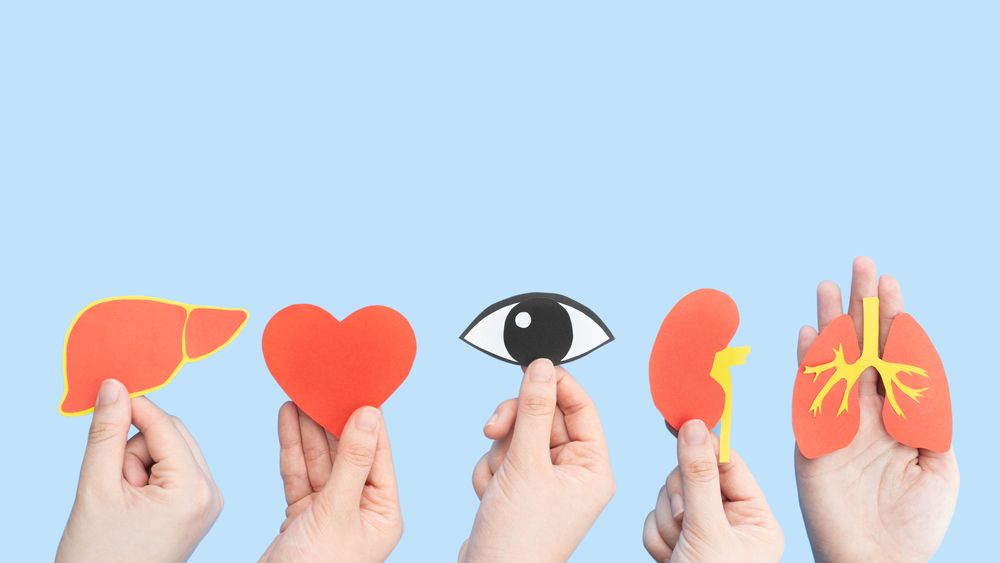
Organ Donation - Types, Process, Registration & Importance
1. Introduction
Imagine having the power to transform someone's life even after you're gone. Organ donation provides that very opportunity – a chance to leave a lasting legacy of compassion and goodwill. Every individual, regardless of age, holds the potential to make a difference through this selfless act.
2. Types of Organ Donation
Organ donation comes in two primary forms: living and deceased donation. Living donation involves giving a part of an organ, such as a kidney or liver, while still alive. Deceased donation, on the other hand, occurs after passing away, where organs are harvested to give others a second chance at life.
3. The Journey of an Organ Donor
The process of organ donation is a remarkable journey that involves multiple stages, all driven by the common goal of saving lives. From the identification of a potential donor to the careful evaluation of organ compatibility, medical professionals work tirelessly to ensure a successful transplantation.
4. The Vital Step: Registering as a Donor
Becoming an organ donor is an essential step in making a difference. By registering your intention, you provide consent for your organs to be used for transplantation after your passing. This straightforward process can typically be completed online through official government portals or authorized organizations.
5. The Ripple Effect of Organ Donation
The impact of organ donation extends far beyond the immediate recipient. Families, friends, and communities are touched by the ripple effect of a single donation. By giving the gift of life, you contribute to a positive cycle of hope and gratitude that resonates through generations.
6. A Lifesaving Decision: Personal Stories
Personal stories often illuminate the power of organ donation. Consider the tale of Sarah, who received a life-saving heart transplant and now pursues her dreams with renewed vigor. These stories showcase the incredible transformation that can occur when compassion and medical expertise intersect.
7. Navigating Myths and Realities
Myths surrounding organ donation can cloud the decision-making process. It's crucial to debunk these misconceptions, such as the belief that doctors won't work as diligently to save your life if you're an organ donor. The reality is that medical professionals prioritize every life, and organ donation only comes into play after all efforts to save a life have been exhausted.
8. Making the Choice: Informed Decision
Deciding to become an organ donor is a personal choice that requires accurate information. Engaging in open conversations with loved ones, understanding the process, and addressing concerns are crucial steps in making an informed decision aligned with your values and beliefs.
9. A Hopeful Conclusion
In a world where compassion is a driving force, organ donation shines as an embodiment of humanity's potential for good. By considering this altruistic act, you become a beacon of hope, contributing to a brighter future for those in need. The choice to be an organ donor holds the power to bring light to the lives of others, even in the midst of difficult times.
10. FAQs (Frequently Asked Questions)
Q1: Can I donate organs while I'm alive?
A1: Yes, living organ donation is possible, and it involves donating organs like kidneys or parts of the liver.
Q2: Will my decision to donate affect my medical care?
A2: No, your medical care is always a top priority. Organ donation only comes into consideration after all life-saving measures have been exhausted.
Q3: Can I choose which organs to donate?
A3: Absolutely, you can specify which organs or tissues you wish to donate.
Q4: Is there an age limit for becoming an organ donor?
A4: There is no age limit for organ donation. The suitability of organs is determined at the time of donation.
Q5: How do I register as an organ donor?
A5: You can register as an organ donor through official government websites or affiliated organizations. It's a simple and impactful process.
In conclusion, organ donation is a testament to the compassion that resides within us. By exploring the different aspects of donation, understanding the process, and making an informed decision, you can be part of a life-changing movement. Your decision to support the Paras Hospital - Best Hospital in Gurgaon is a contribution to the well-being of individuals and the community at large. Together, we can write stories of hope and healing, one organ at a time.
Appreciate the creator