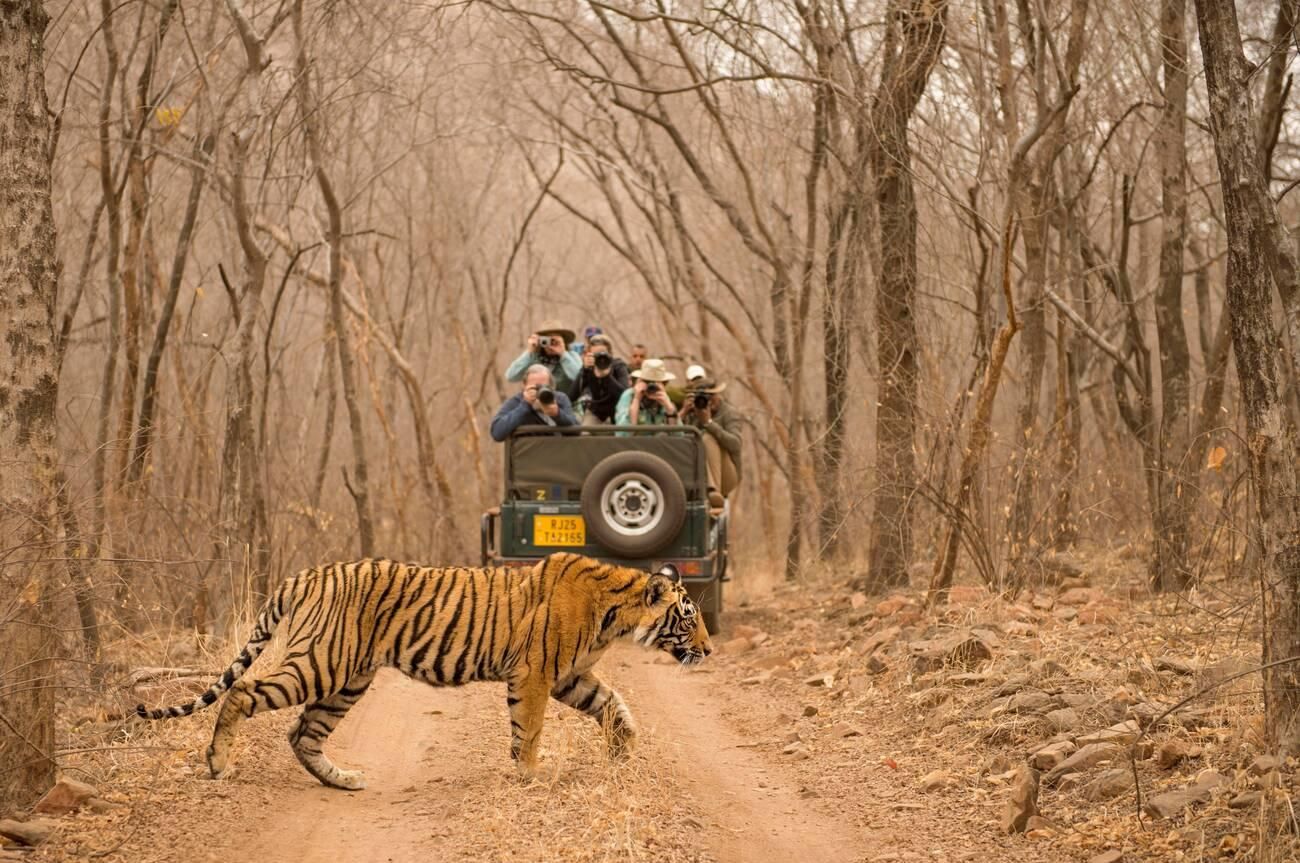
Ultimate Guide for Nature & Safari Lovers in India
India is one of the most diverse countries in the world when it comes to wildlife and natural landscapes. From the snow-capped Himalayas to the lush tropical forests of the south, the deserts of Rajasthan to the wetlands of Assam, India offers safari lovers an unmatched opportunity to witness nature at its finest. With over 100 national parks, 500 wildlife sanctuaries, and 50 tiger reserves, India stands as a global hotspot for eco-tourism.
For those passionate about nature and wildlife, embarking on a safari in India is more than just a vacation—it’s an adventure into the heart of raw wilderness. Whether you’re chasing glimpses of the majestic Bengal tiger, photographing flocks of migratory birds, or exploring tribal cultures near the reserves, India offers it all.
Top Wildlife Safari Destinations in India
Let’s explore the most popular and must-visit wildlife safari destinations that every nature enthusiast should include in their India travel bucket list.
Ranthambore National Park: Tiger Territory of Rajasthan
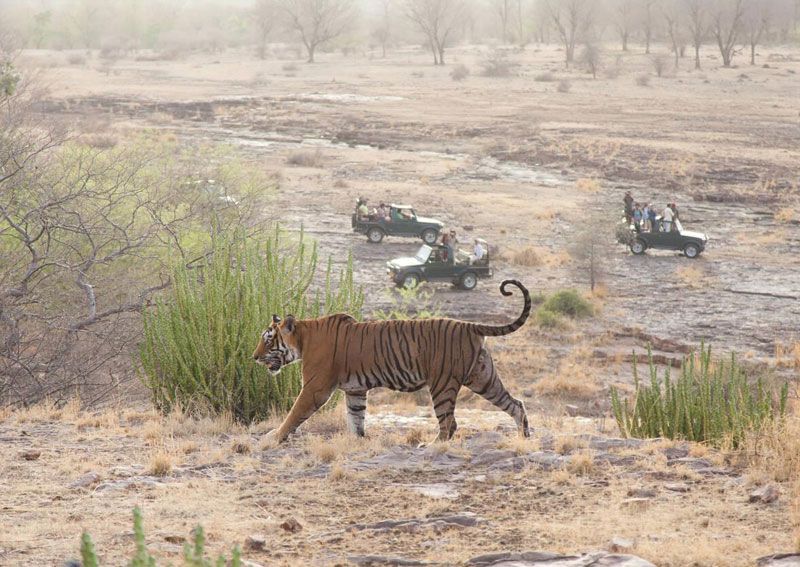
Ranthambore National Park in Rajasthan is one of the most famous tiger reserves in India. Known for its dry deciduous forests, ancient ruins, and picturesque Ranthambore Fort, this park is a perfect blend of history and wilderness.
Best For: Tiger sightings, photography, history enthusiasts.
Wildlife You Can Spot: Bengal tigers, leopards, marsh crocodiles, jackals, and more.
Best Time to Visit: October to April.
With jeep safaris twice a day, Ranthambore gives you one of the highest chances of spotting a tiger in the wild.
Jim Corbett National Park: India’s First National Park
Established in 1936, Jim Corbett National Park in Uttarakhand is the oldest national park in India. Nestled in the Himalayan foothills, this park is famous for its rich flora and fauna, making it a must-visit for first-time safari goers.
Best For: First-time safari lovers, families, and nature photographers.
Wildlife You Can Spot: Tigers, elephants, gharials, and over 600 bird species.
Best Time to Visit: November to February.
Apart from safaris, the serene riverside lodges offer a perfect setting for relaxation amidst nature.
Bandhavgarh National Park: The Highest Density of Tigers
Located in Madhya Pradesh, Bandhavgarh National Park is considered the best place to spot Bengal tigers in India. The park boasts the highest density of tigers compared to any other reserve.
Best For: Hardcore tiger enthusiasts, wildlife photographers.
Wildlife You Can Spot: Tigers, leopards, sloth bears, wild boars.
Best Time to Visit: October to March.
The park is also home to the Bandhavgarh Fort, adding a historical dimension to the safari.
Kanha National Park: Inspiration Behind The Jungle Book
Kanha, another gem of Madhya Pradesh, is famous for being the inspiration behind Rudyard Kipling’s The Jungle Book.
Best For: Families, nature lovers, adventure seekers.
Wildlife You Can Spot: Tigers, barasingha (swamp deer), wild dogs, leopards.
Best Time to Visit: November to March.
Kanha’s dense sal and bamboo forests create a magical atmosphere, perfect for those seeking both thrill and tranquility.
Kaziranga National Park: Home of the One-Horned Rhino
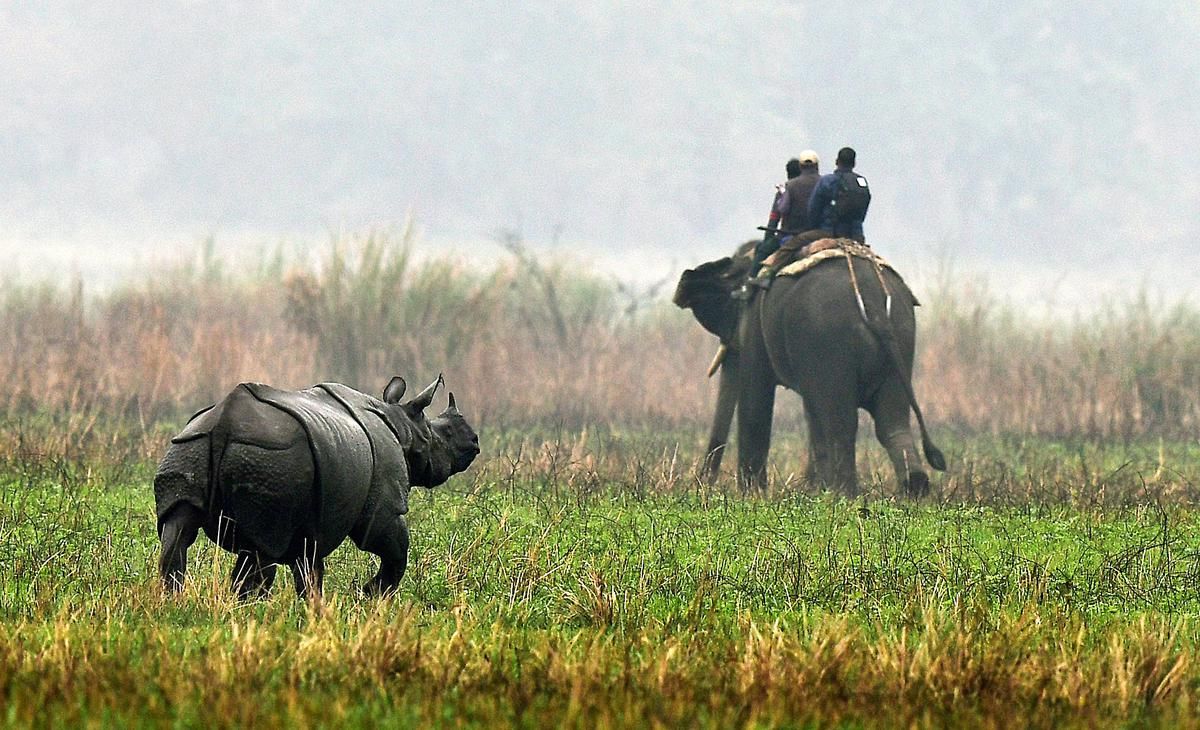
In Assam, Kaziranga National Park is a UNESCO World Heritage Site renowned for its population of the great Indian one-horned rhinoceros.
Best For: Unique wildlife experiences, rhino enthusiasts.
Wildlife You Can Spot: Rhinos, elephants, swamp deer, wild buffalo, migratory birds.
Best Time to Visit: November to April.
Kaziranga also offers elephant safaris, giving travelers a closer look at rhinos in their natural habitat.
Gir National Park: Land of the Asiatic Lion
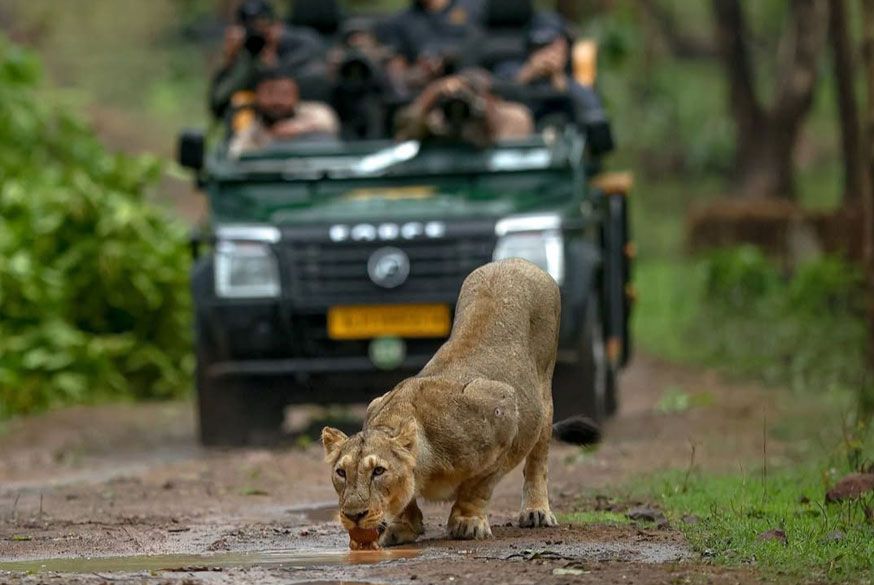
Located in Gujarat, Gir National Park is the only place in the world where you can see Asiatic lions in the wild.
Best For: Lion lovers, cultural explorers.
Wildlife You Can Spot: Asiatic lions, hyenas, jackals, antelopes.
Best Time to Visit: December to March.
Gir offers a completely different safari experience compared to the tiger reserves of central India.
Sundarbans National Park: The Mangrove Kingdom
The Sundarbans in West Bengal are the world’s largest mangrove forests and a UNESCO World Heritage Site. This unique ecosystem is home to the elusive Royal Bengal Tiger, which has adapted to swimming in saline waters.
Best For: Adventure seekers, eco-tourists, photographers.
Wildlife You Can Spot: Tigers, saltwater crocodiles, fishing cats, migratory birds.
Best Time to Visit: November to February.
Boat safaris here provide an experience unlike any other safari in India.
Appreciate the creator