Types of Energy Storage Systems: A Simple Guide for Indian Businesses
Energy storage isn't a single technology anymore. It's become an umbrella term covering several different approaches, each suited to a different scale of use. If you've been hearing terms like BESS, hybrid storage, and utility-scale storage thrown around interchangeably, here's a clearer picture of what's actually out there and where each one fits.
The Main Types of Energy Storage Systems
Broadly, the types of energy storage system in use today include:
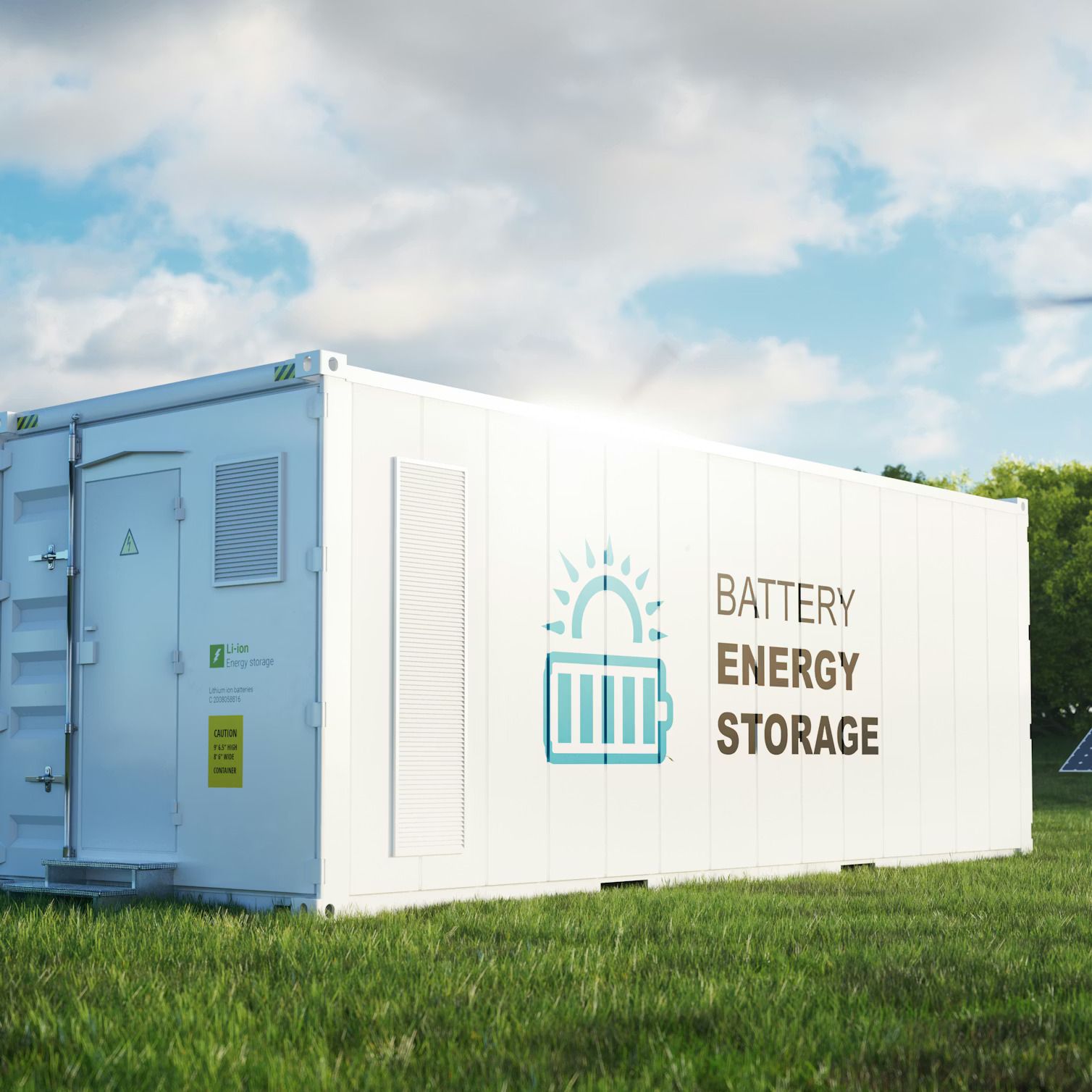
Battery Energy Storage System (BESS) — the most common form today, storing electricity in battery cells for later use. This is what most people mean when they say "battery storage."
Hybrid energy storage system — combining two storage technologies (like batteries with supercapacitors) to balance short bursts of power with longer, steady supply
Pumped hydro storage — using elevation and water flow to store energy, common at a national grid scale but not practical for individual businesses
Thermal storage — storing energy as heat or cold, used in specific industrial and HVAC applications
Flywheel storage — storing energy as rotational motion, typically used for short-duration, high-power needs
For most commercial and industrial businesses in India, BESS (battery energy storage system) is the practical option — it's scalable, doesn't need special geography like pumped hydro, and works well alongside solar.
BESS: The Technology Doing the Heavy Lifting
A BESS battery energy storage system works by charging batteries when power is cheap or available (often from solar) and discharging them when it's needed most — during peak tariff hours or power outages. Because it can be sized anywhere from a small commercial installation to a full utility-scale battery energy storage system feeding directly into the grid, it's become the default answer whenever "energy storage" comes up in a business context.
How Big Is the BESS Market in India Right Now?
The battery energy storage system market in India has expanded quickly, driven by falling battery costs, growing solar capacity that needs storage to be useful around the clock, and increasing government support for storage-linked renewable projects. What used to be a handful of pilot installations a few years ago has turned into active tender activity from utilities and large commercial buyers alike.
Where the Supply Chain Stands
This growth has brought more players into the market at every level. There are now several battery energy storage system manufacturers in India producing cells and battery packs domestically, reducing reliance on imports. Alongside them, a growing number of BESS EPC companies in India handle the full project lifecycle — design, procurement, installation, and commissioning — rather than just supplying equipment.
This distinction matters for buyers: a manufacturer sells you a product, but an EPC company delivers a working, commissioned system. Knowing which one you're actually talking to changes what you should expect from the relationship.
Utility-Scale vs Commercial BESS
A utility-scale battery energy storage system (https://www.advaitgroup.co.in/renewable-energy/bess/) is built to interact directly with the grid, typically several MWh in size, and is usually developed by utilities or large independent power producers. Commercial and industrial BESS installations are smaller in scale but follow the same underlying principle: store energy when it's cheap or available, use it when it's expensive or needed. Businesses evaluating BESS don't need utility-scale thinking to benefit from the technology; the same fundamentals apply at a much smaller footprint.
Choosing the Right Type for Your Business
Not every business needs a hybrid system or a utility-scale installation. For most commercial and industrial users, a straightforward BESS setup, sized to actual load and paired with existing or planned solar capacity, covers the real-world need. Hybrid configurations make more sense where power quality or very short-duration backup is a specific concern, not as a default choice.
The main takeaway: energy storage isn't one-size-fits-all, and understanding which type actually applies to your situation is the first step before getting quotes or comparing vendors.
Appreciate the creator