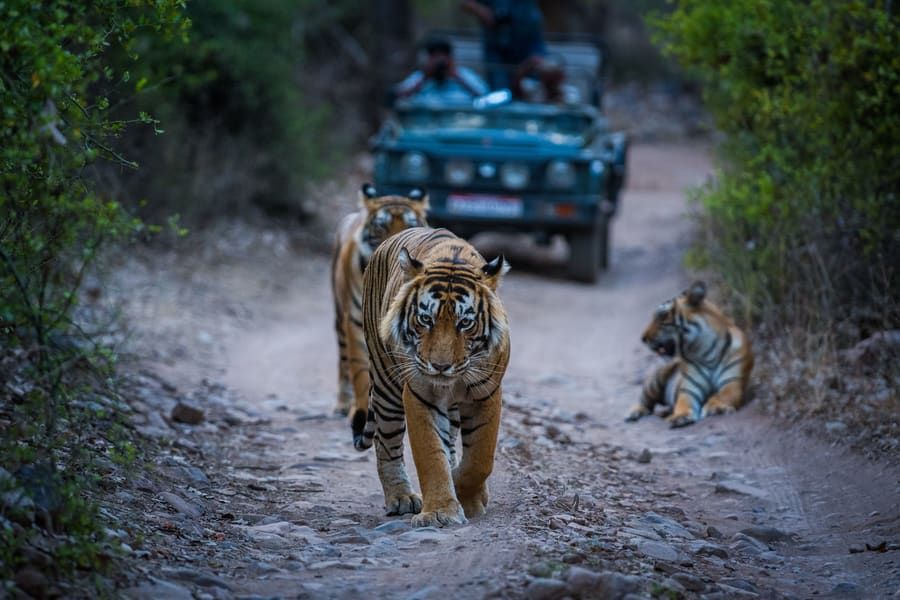
Top Wildlife Destinations in India for Photography Enthusiasts
India is one of those rare countries where wildlife still thrives in its most natural form. From deep jungles filled with ancient trees to vast grasslands glowing under golden sunlight, every corner of India has a story waiting to be captured. For photography lovers, these wildlife destinations feel like open galleries created by nature itself. Every frame is a blend of colors, emotions, and raw beauty.
If you are someone who dreams of photographing tigers walking through early morning mist, elephants bathing in calm rivers, or birds spreading their wings against a fiery sunset, India is the perfect place to begin your journey. Wildlife photography here is not just an activity. It is a soulful experience that makes you feel alive, more patient, and deeply connected with the natural world.
In this long, detailed, and emotionally rich guide, you will discover the top wildlife destinations in India for photography enthusiasts, along with what makes each one special, the ideal time to visit, and tips that will help you capture unforgettable moments.
1. Ranthambore National Park, Rajasthan
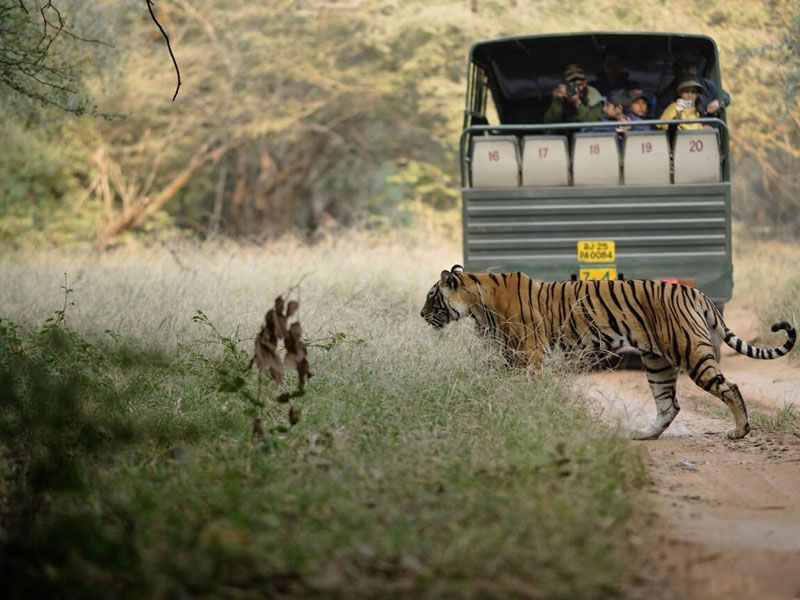
Ranthambore is one of India’s most iconic national parks, especially for photographers who want to capture tigers in stunning surroundings. The park sits in the heart of Rajasthan and is loved for its dramatic landscape filled with cliffs, lakes, dry forests, and ancient ruins. Everything here feels like a natural movie set designed for wildlife.
Why It Is Perfect for Photography
Ranthambore’s tigers are known for their confidence, making sightings quite frequent. The combination of old fort walls, broken arches, abandoned palaces, and lush forest areas allows photographers to create unique storytelling frames. A tiger walking past the Ranthambore Fort is one of the most powerful images you can capture in India.
Book India Wildlife safari Tours
What You Can Photograph
Tigers resting near lakes or lying on forest tracks
Sambar deer drinking water
Sloth bears searching for fruit
Crocodiles near the lakes
A wide variety of birds
Best Season
October to April for clear light and comfortable weather.
2. Jim Corbett National Park, Uttarakhand
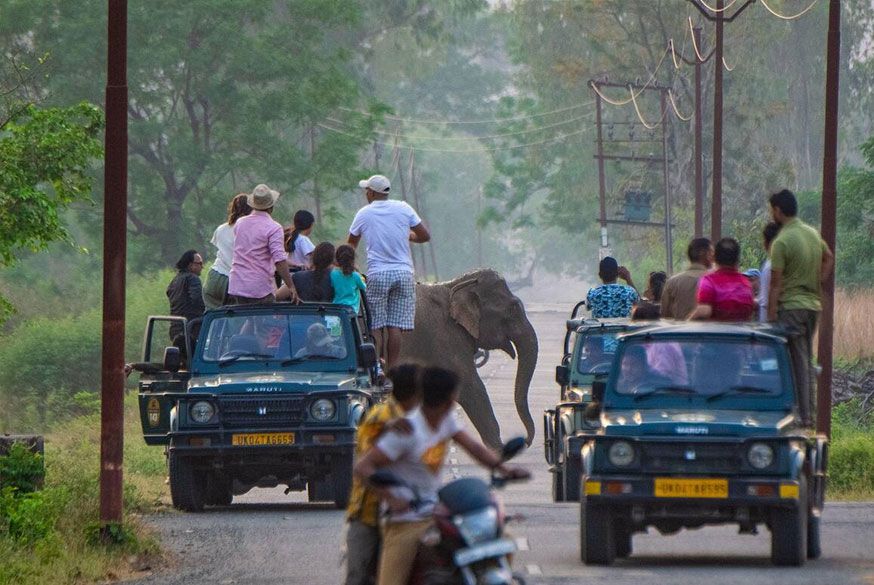
Corbett is India’s oldest national park and a paradise for anyone who loves nature and photography. With lush Sal forests, peaceful rivers, and wide grasslands, Corbett gives you endless chances to experiment with your camera.
Why Photographers Love It
The Dhikala zone is one of the best places to photograph elephants, deer, and tigers against stunning landscapes. The early morning light here is magical. When the mist slowly rises from the riverbeds and sunlight filters through tall trees, every shot looks like a painting.
What You Can in Jim Corbet Photograph
Elephants walking in groups
Tigers crossing riverbeds
Crocodiles sunning on rocks
Birds in flight
Beautiful landscapes with mountains and rivers
Best Season
November to April, when visibility is great and animal activity is high.
3. Bandhavgarh National Park, Madhya Pradesh
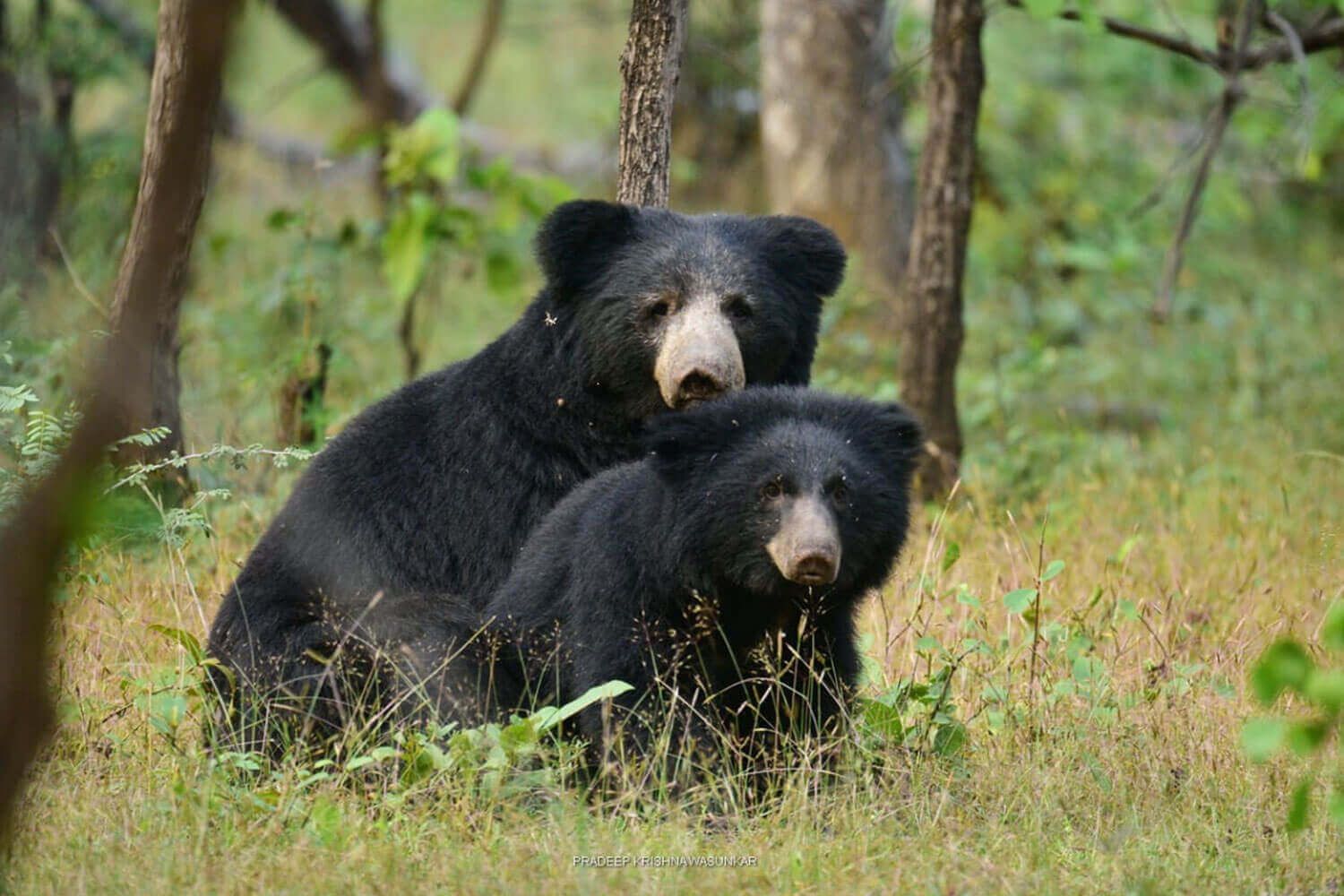
Bandhavgarh is often called the tiger capital of India because of its high tiger population. For photography enthusiasts, it is one of the best places to capture sharp, detailed portraits of tigers.
Why Bandhavgarh Stands Out
The forests here are dense yet full of open spaces where tigers often appear. Each zone has its own charm. Tala zone offers the best landscapes with ancient rocks and tall grasses. Magadhi is great for spotting tigers and birds.
What You Can Photograph
Tigers walking through golden grass
Leopards resting on tree branches
Indian gaurs
Playful langurs
Vibrant birdlife
Best Season
October to June, especially March to May for frequent sightings.
Must Read: Best Wildlife Safari Experiences in India
4. Kaziranga National Park, Assam
Kaziranga is one of the most beautiful wildlife destinations in India and home to the world famous one horned rhinoceros. With wide floodplains, rich vegetation, and scenic water bodies, Kaziranga gives photographers a unique environment found nowhere else in India.
Why It Is a Photographer’s Dream
This is the best place to capture rhinos grazing peacefully. The contrast of lush green fields and soft morning fog creates stunning compositions. Kaziranga is also home to wild elephants, swamp deer, wild buffalo, and hundreds of bird species.
What You Can Photograph
One horned rhinos up close
Elephants walking through tall grass
Dramatic sunsets with silhouettes
Birds flying over the Brahmaputra
Herds of wild buffalo
Best Season
November to April when the park is fully open.
5. Kanha National Park, Madhya Pradesh
Kanha is one of the most picturesque forests in India. Tall Sal trees, open meadows, quiet lakes, and golden light make Kanha a photographer’s paradise. This park inspired the famous Jungle Book, and once you see it yourself, you will understand why.
Why Photographers Love Kanha
Kanha offers perfect lighting conditions even during normal hours of the day. The meadows glow beautifully at sunrise. Tigers, leopards, and barasingha appear frequently near these open grasslands.
What You Can Photograph
Groups of barasingha
Tigers walking across meadows
Beautiful landscapes with mist
Wild dogs, leopards, and birds
Best Season
October to June.
6. Gir National Park, Gujarat
Gir is the only place in the world where you can photograph Asiatic lions. This alone makes it a once in a lifetime destination for wildlife lovers and photographers.
Why Gir Is Unique
The dry, open forest makes animal sightings easier. Lions often move in groups, allowing photographers to capture close family moments. The landscape also gives amazing natural light for sharp portraits.
What You Can Photograph
Asiatic lions resting or walking
Jackals, hyenas, and leopards
Deer and antelope species
Birds of prey
Best Season
December to May.
7. Periyar Wildlife Sanctuary, Kerala
Periyar is one of the prettiest wildlife destinations in South India. The calm Periyar Lake surrounded by dense forests creates a soothing and scenic environment that is perfect for photography.
Why It Is Special
Boat safaris in Periyar give a unique experience. You can photograph wildlife from the water, creating rare and dramatic angles. Elephants, bison, deer, and many bird species gather near the lake throughout the day.
What You Can Photograph
Elephants drinking water
Reflections in the lake
Birds perched on dead trees in the water
Misty mountains in the background
Best Season
October to April.
8. Sundarbans National Park, West Bengal
The Sundarbans is the world’s largest mangrove forest and home to the legendary Royal Bengal Tiger. It is one of the most mysterious and fascinating wildlife destinations in India.
Why Photographers Love the Sundarbans
Photography here is less about close animal shots and more about dramatic landscapes. The deep mangroves, narrow creeks, shifting tides, and changing light give endless opportunities for atmospheric photography. If you are patient and lucky, you might capture the famous tiger swimming.
What You Can Photograph
Mangrove forests
Birds, crocodiles, and rare animals
Dramatic waterways
Sunlight patterns on water
Best Season
November to February.
9. Tadoba Andhari Tiger Reserve, Maharashtra
Tadoba has grown rapidly in popularity among wildlife photographers. It is known for frequent tiger sightings, dry forest landscapes, and easy access to remote wildlife areas.
Why Tadoba Is Ideal for Photos
Tigers here often appear near lakes and watering points. The forest has a mixture of bamboo and teak trees that create good contrast in pictures. Tadoba also has wild dogs, sloth bears, deer, and many birds.
What You Can Photograph
Tigers resting in water
Wild dogs chasing prey
Birds perched on bamboo
Sloth bears during the summer months
Best Season
February to June.
10. Hemis National Park, Ladakh
Hemis is one of the highest and coldest national parks in India. It is famous for the elusive snow leopard, one of the most challenging subjects for wildlife photographers.
Why Hemis Is a Photographer’s Challenge and Reward
The landscape looks like a different planet. Snow covered mountains, silent valleys, and open skies offer dramatic backgrounds. Spotting a snow leopard takes patience and endurance, but capturing one on camera is a memory of a lifetime.
What You Can Photograph
Snow leopards
Blue sheep
Mountain foxes
Golden eagles
Stunning Himalayan landscapes
Best Season
December to March.
Useful Wildlife Photography Tips
Wildlife photography is not only about clicking a picture. It is about understanding the forest, respecting nature, and capturing emotions.
1. Be Patient
Animals follow their own timing. Waiting calmly rewards you with natural and powerful shots.
2. Use Natural Light
Early morning and evening give warm and soft light that brings life to your pictures.
3. Learn Animal Behavior
When you know how animals move and behave, you can predict their direction and prepare your shot.
4. Keep a Safe Distance
Never disturb wildlife. Your safety and theirs should always come first.
5. Carry the Right Gear
A telephoto lens, extra batteries, and fast memory cards make your work easier.
6. Enjoy the Moment
Sometimes the beauty of the forest is beyond the camera. Feel it, breathe it, and connect with it.
Final Thoughts
India is a treasure of wildlife, filled with forests that take you back in time and creatures that remind you of the magic of nature. For photographers, these destinations offer much more than beautiful pictures. They offer peace, patience, joy, and stories that stay in your heart forever.
Every journey brings new lessons. Every sunrise brings new frames. Every forest brings a new chapter for your photography journey.
So pack your camera, charge your batteries, and dive into the wild. The forests of India are waiting for you to tell their story through your lens.
Appreciate the creator