Top Things You Should Know About Vegan Protein Supplements
As the number of people adopting a vegan lifestyle continues to rise, so too does the demand for organic protein supplements. While it is possible to obtain sufficient protein from a well-planned vegan diet, protein supplements can be a convenient way to ensure adequate protein intake, particularly for athletes or those with increased protein needs. However, there are a few things to keep in mind when choosing a vegan protein supplement.
Here are the top things to know about vegan protein supplements.
1. Different types of vegan protein powders
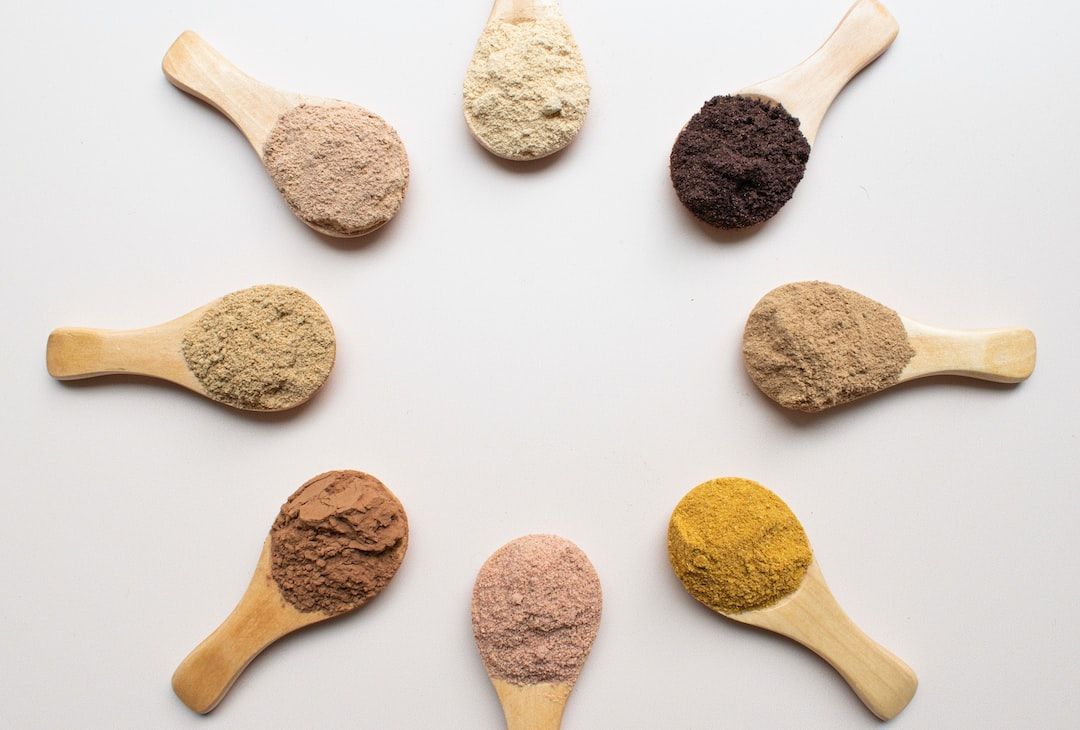
There are several types of vegan protein powders on the market, including pea protein, rice protein, soy protein, hemp protein, and more. Each type has its own unique nutritional profile and taste, so it's important to choose one that meets your specific needs and preferences.
Pea protein is a popular choice due to its high protein content and easy digestibility. Rice protein is another common option that is often combined with pea protein for a more complete amino acid profile. Soy protein is a complete protein that is often used in vegan protein blends, but it may not be suitable for those with soy allergies or concerns about phytoestrogens. Hemp protein is rich in fiber and healthy fats but has a lower protein content than some other options.
2. Quality of the protein source
When choosing a vegan protein supplement, it's important to consider the quality of the protein source. Look for products that use high-quality plant-based protein sources, such as organic or non-GMO ingredients. It's also a good idea to choose products that have been third-party tested for purity and quality.
3. Amino acid profile
While it is possible to obtain all essential amino acids from a well-planned vegan diet, some vegan protein sources may be lacking in certain amino acids. For example, pea protein is low in methionine, while rice protein is low in lysine. To ensure a complete amino acid profile, look for organic powders that combine multiple protein sources or include added amino acids.
4. Added supplements ingredients
Many vegan protein powders contain added ingredients such as sweeteners, flavors, and thickeners. While these ingredients can make the protein powder more palatable and easier to mix, it's important to choose products with natural and minimally processed ingredients. Look for products without artificial sweeteners or flavors, and avoid products with high amounts of added sugars.
5. Digestibility
Some people may experience digestive issues such as bloating or gas when consuming vegan protein supplements. This can be due to the high fiber content or specific protein source. To improve digestibility, look for protein powders that have been processed to remove excess fiber or choose a protein source that is easier to digest, such as pea protein.
6. Protein content of supplements
The protein content of supplements can vary widely. Look for products with at least 20-25 grams of protein per serving, and be aware that some products may have added fillers that can dilute the protein content.
7. Price of the vegan supplements
Vegan protein supplements can be more expensive than traditional whey protein supplements due to the cost of sourcing and processing plant-based protein sources. However, there are still affordable options available, particularly if you buy in bulk or choose less expensive protein sources such as rice or soy.
Benefits of Taking Vegan Protein Supplements
Here are some of the benefits of taking vegan protein supplements:
Rich in Essential Amino Acids
Vegan protein supplements are often made from a blend of plant-based sources such as pea, rice, hemp, and chia. These sources provide a complete amino acid profile, which is crucial for muscle growth and repair. Unlike animal-based protein supplements, plant-based protein supplements are easily digestible, which means that your body can absorb and utilize the amino acids more efficiently.
Helps with Muscle Building and Recovery
Protein is essential for muscle building and recovery, and vegan protein supplements provide a convenient way to increase your protein intake. Whether you're an athlete, fitness enthusiast, or simply trying to maintain muscle mass as you age, protein powder supplements can help you achieve your goals.
Aids in Weight Loss
If you're looking to shed some pounds, protein supplements can be a valuable addition to your weight loss plan. Protein is more satiating than carbohydrates or fats, which means that it can help you feel fuller for longer periods. Additionally, these supplements are often low in calories and fat, which makes them an excellent choice for weight-conscious individuals.
Helps with Digestive Issues
Some people experience digestive issues when consuming animal-based protein supplements, such as bloating or stomach upset. Vegan protein supplements, on the other hand, are easy to digest and unlikely to cause digestive problems. This makes them a suitable alternative for people with sensitive digestive systems.
Good for Overall Health
Vegan supplements can provide a wide range of health benefits beyond muscle building and weight loss. For example, they are rich in antioxidants, vitamins, and minerals, which can help boost your immune system and support overall health. Additionally, some plant-based protein sources have anti-inflammatory properties that can help reduce inflammation and improve heart health.
In conclusion, vegan protein supplements can be a convenient and effective way to ensure adequate protein intake on a vegan diet. When choosing a vegan protein powder supplement, consider the type of protein source, quality of ingredients, amino acid profile, added ingredients, digestibility, protein content, and price. With careful consideration, you can find a plant-based supplement that meets your nutritional needs and tastes great.
Appreciate the creator