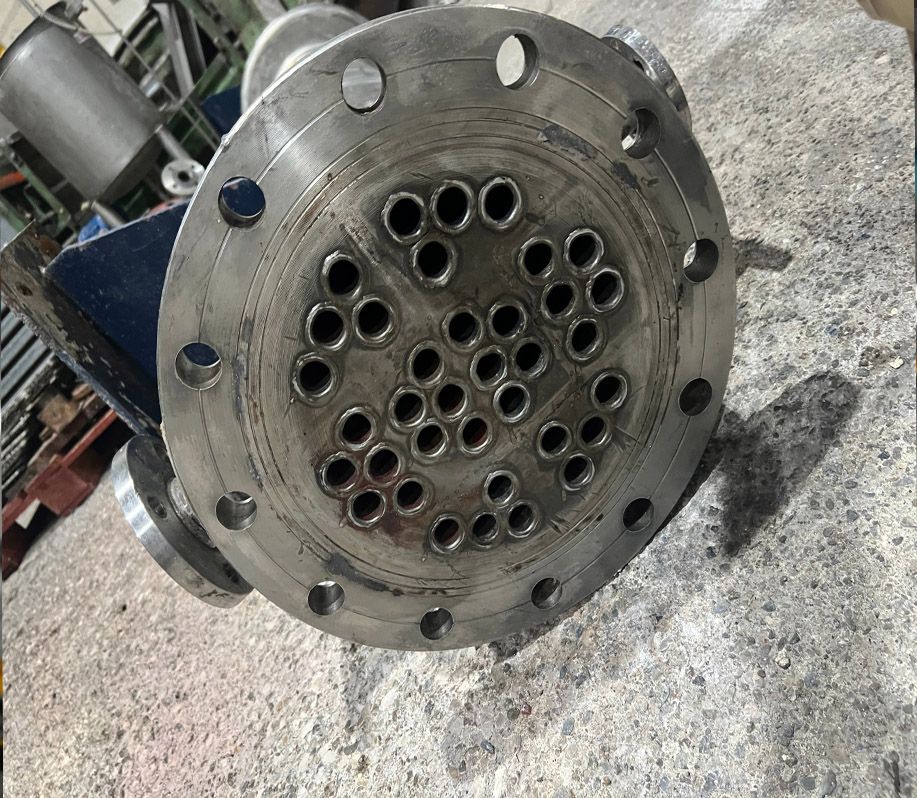
Top Benefits of Using SS 317/317L Heat Exchanger Tubes in Industrial Systems
In high-demand industrial environments, performance, corrosion resistance, and longevity of components play a pivotal role in ensuring efficiency and safety. Among these critical components, Stainless Steel 317 and 317L Heat Exchanger Tubes stand out for their exceptional capabilities. Designed to withstand harsh operating conditions, these tubes are widely used in chemical processing, pulp and paper, power generation, and petrochemical industries.
What are Stainless Steel 317/317L Heat Exchanger Tubes?
Stainless Steel 317 is an austenitic chromium-nickel steel alloy enriched with molybdenum to provide improved corrosion resistance compared to 304 or 316 grades. 317L is the low-carbon version of 317, designed to prevent carbide precipitation during welding and improve weldability without compromising its corrosion-resistant properties.
These tubes are specially engineered for heat exchangers, where thermal conductivity, mechanical strength, and resistance to corrosion from aggressive fluids are vital.
Key Features of SS 317/317L Heat Exchanger Tubes
Superior Corrosion Resistance
SS 317/317L excels in resisting attack from chloride, sulfuric acid, and other aggressive chemicals, making it ideal for harsh environments.High-Temperature Strength
These tubes maintain strength and integrity at elevated temperatures, making them suitable for boilers, condensers, and high-pressure systems.Improved Weldability (317L)
With its low carbon content, 317L reduces the risk of intergranular corrosion during and after welding operations, improving lifespan and safety.Extended Service Life
The robust chemical composition and mechanical properties provide excellent durability, even in continuous operation under stress.Dimensional Accuracy & Smooth Finish
The tubes are manufactured to precise standards, ensuring excellent heat transfer, smooth fluid flow, and reduced pressure drop across the exchanger.
Applications Across Industries
Stainless Steel 317/317L Heat Exchanger Tubes are commonly found in:
Chemical and Petrochemical Plants: Resisting acidic environments and high temperatures.
Pulp & Paper Industry: Withstanding chloride-rich solutions in bleach and digesting operations.
Food & Beverage Processing: Ensuring hygienic heat transfer without contamination.
Marine Engineering: Performing reliably in saltwater environments.
Oil Refineries: Supporting thermal exchange systems under high pressure and corrosive media.
Benefits Over Conventional Stainless Steel Tubes
Better pitting resistance in chloride-rich environments compared to 316/316L.
Lower maintenance costs due to extended lifecycle and reliability.
Minimized downtime owing to fewer failures and high thermal efficiency.
Environmental compliance with RoHS and sustainability goals.
Choosing the Right Supplier Matters
When selecting Stainless Steel 317/317L Heat Exchanger Tubes, quality assurance, proper certification, and adherence to international standards like ASTM A213 or ASTM A249 are non-negotiable. A trusted supplier ensures optimal tube performance with proper testing, dimensional precision, and custom fabrication for your specific system needs.
Conclusion
For industries that demand high performance in corrosive and high-temperature environments, Stainless Steel 317/317L Heat Exchanger Tubes offer a perfect blend of durability, efficiency, and reliability. By investing in these high-grade components, you enhance not only your system’s performance but also operational safety and cost-effectiveness in the long run.
Appreciate the creator