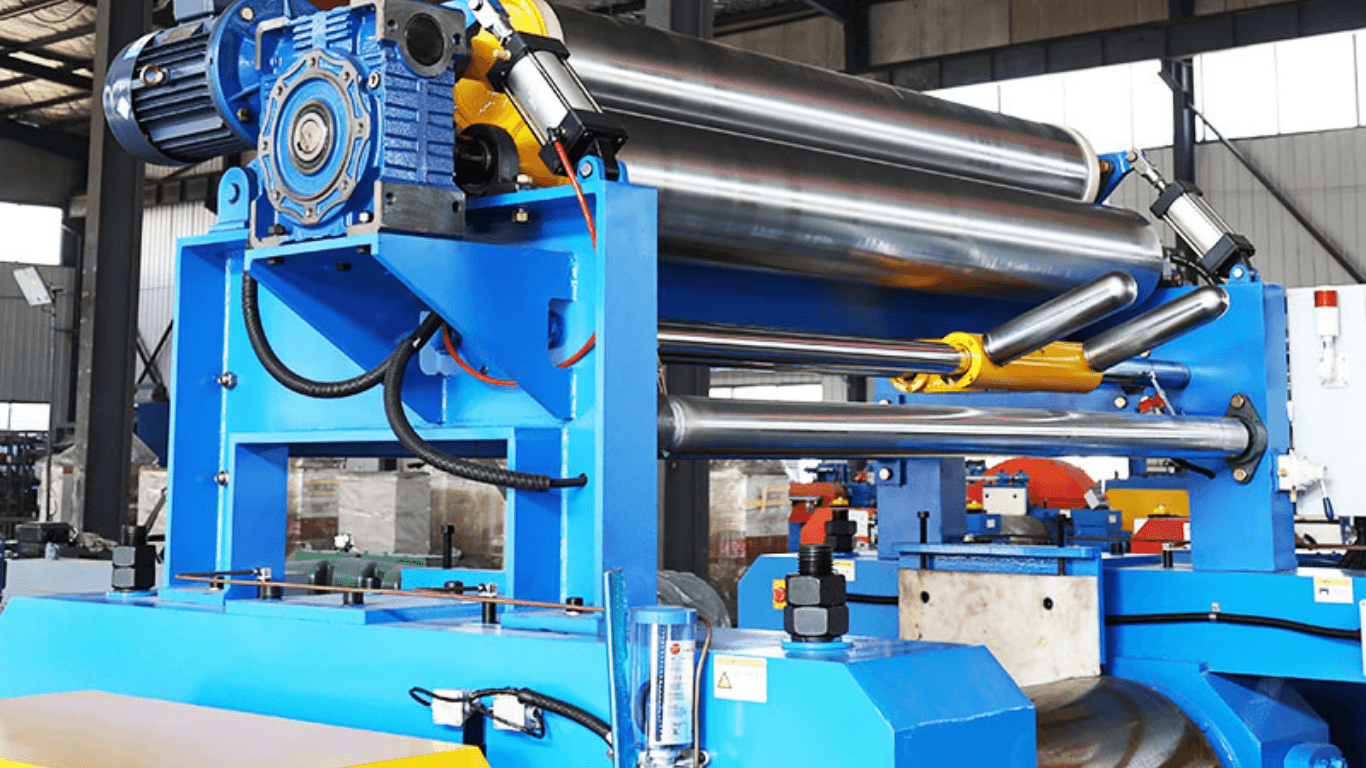
Top 7 Things to Check Before Buying a Refurbished Rubber Mixing Mill
Within rubber manufacturing, a refurbished rubber mixing mill is often viewed as a cost-saving purchase. In many cases, that assumption is justified. In other cases, hidden wear, outdated controls, and unsafe rebuild practices are quietly inherited. Because of that risk, a refurbished mill should be evaluated as a production asset rather than a bargain item.
When a unit is selected correctly, years of dependable service can be achieved. When selected poorly, repeated shutdowns, compound inconsistency, and avoidable maintenance bills are usually encountered.
For buyers studying available machinery options, broad market references are often reviewed through https://vatsntecnic.com/ before procurement decisions are finalized.
1. Roll Condition and Surface Geometry Should Be Verified
The rolls are considered the heart of the mixing mill. Filler dispersion, polymer mastication, shearing rate, and sheet finish are all influenced by roll accuracy.
The following points should be checked:
Roll diameter remaining after past grinding cycles
Surface cracks or pitting
Crown uniformity across face width
Parallel alignment between rolls
Hardness retention of chilled cast rolls
If the roll surface has been excessively reduced, bite efficiency may be weakened and compound turnover may become unstable.
When rubber sheeting and downstream processing lines are being planned, machinery references are frequently reviewed through https://vatsntecnic.com/product-category/rubber-processing-machinery/
2. Gearbox, Bearings, and Drive Train Must Be Inspected
Many refurbished mills are cosmetically restored while internal wear is left untouched. Fresh paint should never be mistaken for mechanical health.
The drive system should be tested for:
Bearing temperature rise under load
Gear backlash
Noise during acceleration
Shaft vibration
Motor amperage fluctuation
If bearings run hot, lubrication failure or misalignment may be present. If gear lash is excessive, torque transfer can become erratic during heavy compounds.
Used equipment buyers often compare such risks through vatsntecnic before committing funds.
3. Analyzing Material Requirements (Compounds and Viscosity)
The intended rubber compound should always guide machine selection.
Soft reclaim blends, footwear compounds, and low-viscosity mixes can often be processed on moderate-duty refurbished mills. Carbon-black-heavy compounds, silica tread stocks, EPDM roofing blends, and nitrile formulations usually demand stronger torque reserves and better cooling control.
Polymer shearing behavior must also be considered. If shear is too aggressive, molecular degradation may occur. If shear is too mild, dispersion quality may be poor.
Friction ratios such as 1:1.1 or 1:1.25 are commonly preferred depending on compound response.
When upstream compounding choices are being studied, process comparisons are often reviewed through https://vatsntecnic.com/difference-between-rubber-intermix-internal-mixer/.
4. Evaluating Technical Specifications (Automation and PLC Systems)
Older mills were frequently built with relay logic, manual nip settings, and limited instrumentation. Those systems can still run, but repeatability is usually operator-dependent.
A properly refurbished unit is best chosen when the following upgrades have been installed:
PLC control panel
Touchscreen HMI
Variable frequency drive (VFD)
Digital roll gap indicators
Batch timer integration
Auto lubrication monitoring
Emergency braking circuit
When downstream extrusion or molding lines are used, synchronization with other equipment becomes important. Extruders are often specified through suitable L/D ratios such as 12:1, 16:1, or 20:1 depending on output requirement. Compression and transfer molding presses are selected by clamping force tonnage. Because of that, a mill lacking modern controls can become the weakest link in an otherwise upgraded plant.
5. Safety Systems Should Be Non-Negotiable
Many legacy mills were manufactured before current guarding standards were introduced. A refurbished machine should not be accepted unless safety systems are functional and documented.
The following must be tested:
Emergency stop bars
Pull-cord trip systems
Reverse braking response
Nip point guards
Electrical grounding
Panel insulation integrity
If operators are placed at risk, no purchase price can justify the exposure.
6. Total Cost of Ownership (Energy Efficiency and Maintenance)
Purchase price alone should never be treated as the decision metric.
A low-cost refurbished mill may become expensive quickly if:
Motors are inefficient
Bearings run hot
Hydraulic leakage is persistent
Spare parts are unavailable
Downtime frequency rises
Roll regrinding becomes frequent
Modern motors and VFD systems can reduce electrical waste significantly. In plants operating two or three shifts, those savings can reshape ROI calculations.
If internal maintenance staff is limited, service dependence should be budgeted from the start.
Businesses planning cost-conscious manufacturing expansions often study capital strategy through https://vatsntecnic.com/how-to-start-tyre-manufacturing-business-in-low-budget/.
7. Refurbishment Quality and Seller Credibility Must Be Confirmed
Not every “refurbished” machine has been rebuilt to the same standard.
A serious seller should provide:
Bearing replacement records
Roll grinding history
Electrical upgrade details
Load test reports
Paint and corrosion treatment notes
Spare parts availability
Installation guidance
If no documentation is available, refurbishment may have been superficial.
Trust is usually built through transparency, not sales language.
Final Verdict
A refurbished rubber mixing mill can be an excellent investment when inspection is disciplined and the rebuild has been executed correctly. Strong ROI can be achieved with lower capital outlay, especially in growing factories.
If production consistency, automation, safety compliance, and high-output duty cycles are critical, only top-tier refurbished units should be considered.
In machinery procurement, the visible machine is purchased first. The hidden condition is paid for later.
Appreciate the creator