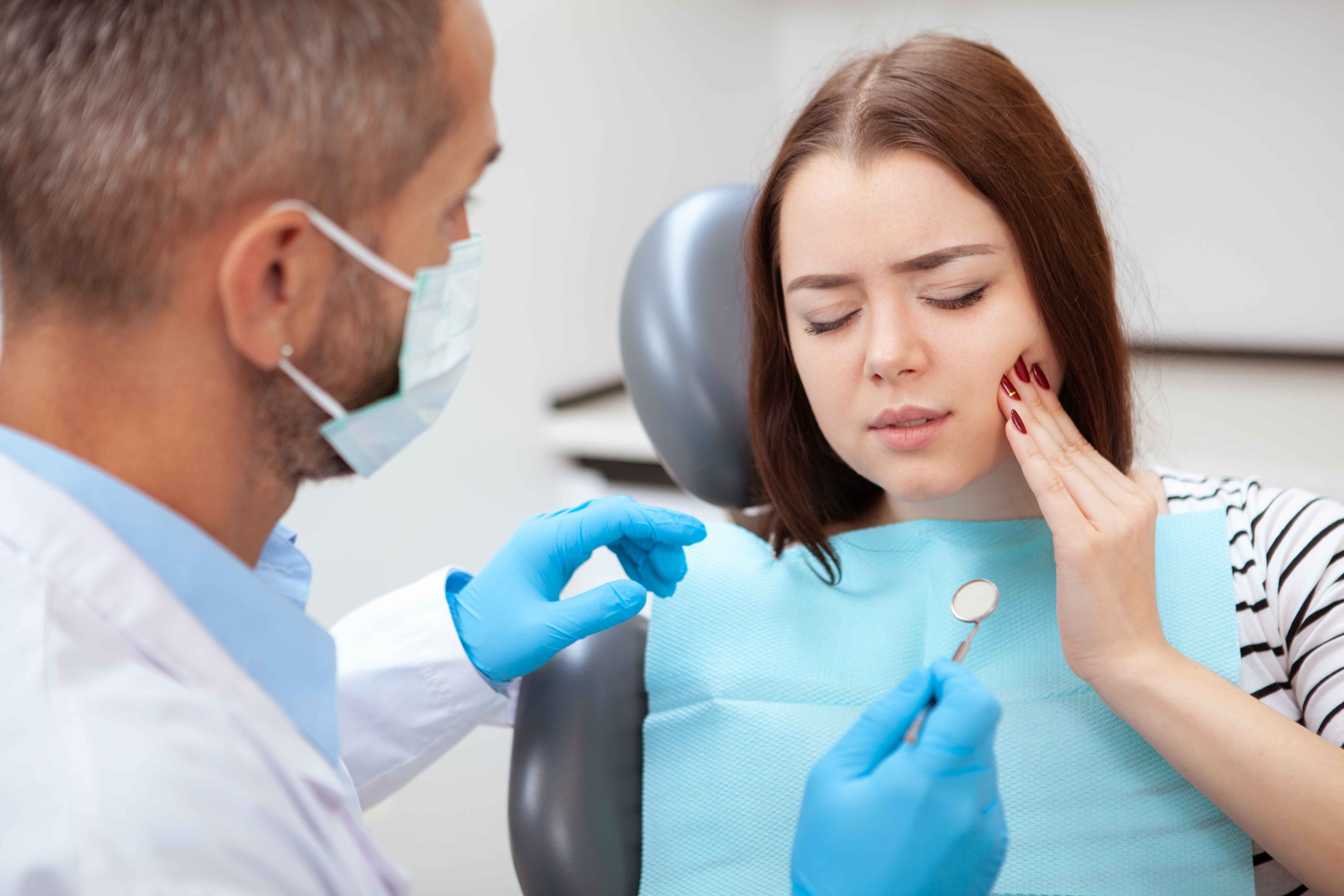
Toothache Solutions: Painkillers Won’t Treat the Underlying Issue
A toothache can bring your whole day to a halt, whether it appears suddenly or creeps in gradually. That sharp or throbbing pain makes most people reach for painkillers, and while they might take the edge off, they never solve what’s really going on. Toothache is your body’s alarm system, warning you that something deeper needs attention not just a quick pill. Relying on painkillers alone can mask a problem that’s quietly getting worse. This blog dives into why medication isn’t enough, what actually causes tooth pain, and the steps that genuinely protect your long-term oral health.
Why Painkillers Don’t Fix Tooth Problems
Painkillers may offer quick relief when toothache strikes, but they only mask the discomfort rather than fixing the real issue. They simply block pain signals to the brain, while the underlying problem, whether decay, infection, or a crack continues to worsen. This temporary relief often leads people to delay proper treatment, eventually needing urgent care from an emergency dentist in Plymouth.
Key points to remember:
Painkillers don’t stop decay or infection from progressing.
Overuse can cause stomach irritation and other side effects.
They may become less effective when taken frequently.
Relying on them delays essential dental treatment.
Overall, painkillers should be a short-term aid, not a long-term solution.
Common Causes of Toothache
Toothache rarely appears without a reason. Understanding the cause is essential for finding the right treatment. Here are the most frequent culprits:
1. Tooth Decay
One of the leading causes of dental pain. When a cavity reaches the inner dentine layer, sensitivity kicks in. If it progresses to the pulp, the pain becomes severe.
2. Dental Abscess
A bacterial infection can form a pocket of pus near the tooth root. This causes intense, throbbing pain, swelling, and sometimes fever. Urgent care from an emergency dentist in Plymouth is usually necessary.
3. Cracked or Fractured Tooth
A crack may be tiny or invisible, but it can expose sensitive inner layers of the tooth. Pain may appear when chewing or biting.
4. Gum Disease
Inflamed or receding gums expose tooth roots, causing tenderness and discomfort. Persistent bleeding and swelling are also common signs.
5. Impacted Wisdom Teeth
When a wisdom tooth can’t fully emerge, it presses on nearby teeth, causing pain, swelling, and sometimes infection.
6. Damaged Fillings or Restorations
A loose filling or worn crown can reveal sensitive tooth structure, allowing hot, cold, or sweet foods to cause sharp pain.
To enhance readability, here’s a quick summary table:
Cause of Toothache
What It Feels Like
Why It Happens
Tooth decay
Sensitivity, sharp pain
Cavity reaching deeper layers
Abscess
Throbbing, swelling
Bacterial infection
Cracked tooth
Pain on biting
Damage to enamel
Gum disease
Tender gums
Inflammation/infection
Impacted teeth
Pressure, swelling
Blocked eruption
Damaged fillings
Sudden sensitivity
Exposure of dentine
Toothache doesn’t go away on its own. Even if the pain subsides temporarily, the underlying issue continues to worsen. Ignoring the signs can lead to:
Spread of infection to the jaw, face, or even the bloodstream
Irreversible damage requiring root canal therapy or extraction
Increased treatment costs due to delayed intervention
Difficulty eating and sleeping, affecting overall health
Chronic inflammation, which has been linked to wider health issues
Seeking professional care early prevents complications and protects your long-term dental health.
Safe Ways to Manage Pain Until Treatment
While painkillers won't solve the problem, there are safe, temporary ways to ease discomfort before your appointment:
Over-the-counter pain relief, used responsibly
Cold compress on the cheek to reduce swelling
Saltwater rinses to ease inflammation
Avoid sugary, acidic, extremely hot, or cold foods
Sleep with your head elevated to reduce pressure
Use clove oil sparingly for natural numbing
These methods can help you cope, but they’re not substitutes for professional care from a dentist or a hygienist in Plymouth who can assess the root cause.
When to See an Emergency Dentist
Some symptoms require urgent attention rather than a standard appointment. Consider it an emergency if you experience:
Severe, persistent pain lasting more than 24 hours
Facial or gum swelling
A fever accompanying dental pain
Pus, foul taste, or signs of infection
Difficulty swallowing or opening your mouth
A broken tooth causing sharp or ongoing pain
A lost filling or crown exposing sensitive dentine
If any of these occur, delaying treatment can worsen the condition and lead to more invasive procedures.
Real Solutions to Toothache: Addressing the Cause
The real fix depends entirely on what’s causing the toothache. A dental professional will diagnose the issue and recommend the appropriate treatment, which may include:
Fillings: Used to restore areas affected by tooth decay before damage spreads deeper.
Root Canal Treatment: Required when the dental pulp becomes infected. This procedure removes bacteria, disinfects the canal, and saves the tooth.
Antibiotics: Prescribed only when the infection is spreading beyond the tooth, and always paired with a dental procedure not used as a standalone solution.
Replacement Restorations: Old or damaged fillings and crowns may need to be repaired or replaced to eliminate pain.
Gum Disease Treatment: A hygienist in Plymouth may perform scaling and root planning to remove plaque and reduce gum inflammation.
Tooth Extraction: In severe cases where the tooth cannot be saved, removal may be the only option.
Only a full assessment by a qualified professional can determine the right solution.

How to Prevent Future Toothaches
A few consistent habits can significantly reduce your chances of experiencing dental pain:
Brush twice daily with fluoride toothpaste
Floss or use interdental brushes every day
Limit sugary snacks and acidic drinks
Attend routine dental check-ups every six months
Wear a mouthguard if you grind your teeth
Address minor issues early to prevent escalation
Good oral hygiene and regular professional care are the best long-term protections against toothache.
Conclusion
Toothache can be alarming, uncomfortable, and disruptive, but painkillers alone won’t fix the underlying cause. They simply mask the symptoms while the real problem continues to grow. Seeking timely dental care makes all the difference, preventing complications, reducing discomfort, and protecting your long-term oral health. For trusted support and professional solutions, the team at Plymouth is here to help you regain comfort and confidence with expert, personalised care.
Appreciate the creator