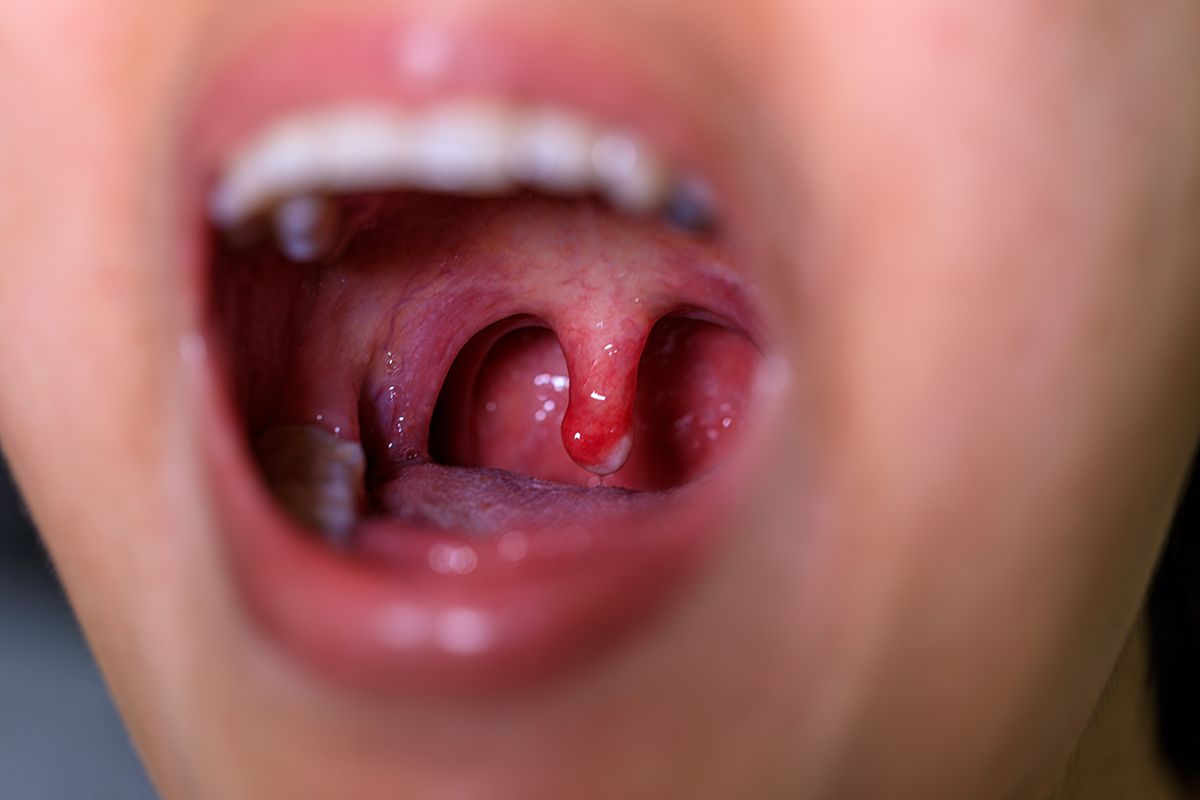
Tonsillectomy An Overview of the Procedure Benefits and Recovery
Introduction
Tonsillectomy is a common surgical procedure performed to remove the tonsils, which are two small lymphoid tissues located at the back of the throat. These tissues play a role in the immune system, especially during early childhood, but in some individuals they can become a source of repeated infection or breathing problems. In such cases, tonsillectomy is recommended to improve overall health and quality of life.
What Are Tonsils and Why Are They Removed
Tonsils help the body fight infections by trapping bacteria and viruses entering through the mouth or nose. However, when tonsils become chronically inflamed or infected, they can cause more harm than benefit. Enlarged tonsils may also obstruct breathing, particularly during sleep.
Doctors may recommend tonsillectomy for patients who experience frequent throat infections, chronic tonsillitis that does not respond to medication, breathing difficulties, sleep apnea, or complications such as abscess formation around the tonsils.
Who Needs a Tonsillectomy
Tonsillectomy is commonly performed in children, but adults may also require the procedure. It is usually advised when a patient has recurrent sore throats several times a year, persistent bad breath due to infected tonsils, difficulty swallowing, or disturbed sleep caused by enlarged tonsils. A thorough medical evaluation helps determine whether surgery is the best option.
The Tonsillectomy Procedure
The surgery is typically performed under general anesthesia, meaning the patient is asleep and feels no pain during the operation. The surgeon carefully removes the tonsils through the mouth, so there are no external cuts or scars. The procedure usually takes less than an hour, and most patients can go home the same day, depending on age and medical condition.
Recovery and Aftercare
Recovery after tonsillectomy usually takes one to two weeks. During this time, patients may experience throat pain, difficulty swallowing, ear discomfort, and mild fever. Pain is managed with prescribed medication, and it is important to stay hydrated and follow a soft food diet.
Rest is essential during recovery, and strenuous activities should be avoided. Proper aftercare reduces the risk of complications such as bleeding or infection and helps ensure a smooth healing process.
Benefits of Tonsillectomy
The main benefit of tonsillectomy is a significant reduction in throat infections and related symptoms. Patients often experience better sleep, improved breathing, fewer sick days, and an overall improvement in daily comfort and energy levels. For children, this can mean better growth, learning, and behavior due to improved sleep quality.
Possible Risks and Complications
Like any surgical procedure, tonsillectomy carries some risks. These may include bleeding, infection, reaction to anesthesia, or delayed healing. However, serious complications are rare when the surgery is performed by an experienced medical professional and proper post operative care is followed.
Conclusion
Tonsillectomy is a safe and effective procedure for individuals suffering from chronic tonsil related problems. When recommended by a healthcare professional, it can lead to long term relief from infections, improved breathing, and a better quality of life. Understanding the procedure, recovery process, and benefits helps patients and families make informed decisions about their health.
Appreciate the creator