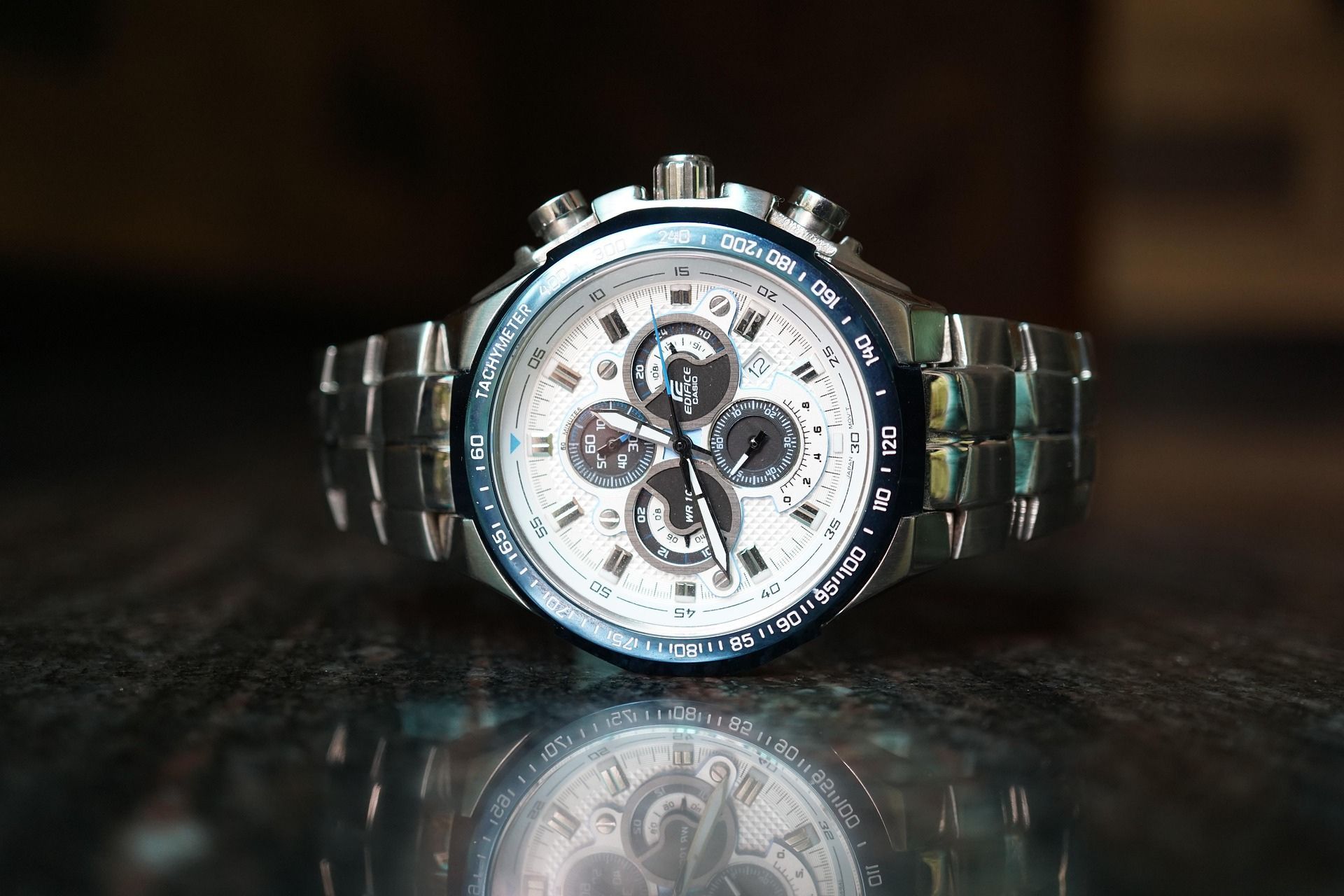
Tissot Watch Price in India
Current Price Landscape of Tissot in India
As of 2025, Tissot watches in India span a wide spectrum in terms of pricing, reflecting their varied collections, movements, materials, and features. Entry‑level quartz models and simpler dress watches start at roughly ₹25,000 to ₹35,000, while mid‑range models — automatics, divers, chronographs with more robust features — often lie in the ₹50,000 to ₹90,000 range. For example, from authorized dealers like Krishna Watch Company, a Tissot PRX Powermatic 80 (a Swiss automatic) is listed at about ₹73,500, while more modest “Everytime” or “Dream” quartz/dress variants are priced between ₹29,000 to ₹36,000.
On the higher end, premium automatic watches, special edition pieces, and those made with precious materials or with advanced complications easily go above ₹1,00,000; for example, the T‑My Lady 18K gold automatic models at Tata CLiQ Luxury are priced in the ₹150,000‑₹270,000 bracket. Tata CLiQ Luxury
In addition to the build and movement, there is also a marked difference between quartz and automatic models. Quartz models are generally more affordable due to simpler mechanisms, lighter servicing requirements, and fewer moving parts; automatic watches (especially Swiss automatics with high power reserves, silicon balance springs, etc.) carry premium costs. Furthermore, seasonal sales, discount offers from e‑commerce and authorized dealers, currency fluctuations, and import duties also contribute to frequent variations in final retail price.
Price Ranges by Collection & Type
To give a clearer picture, one can break down Tissot’s offerings in India by collection and type, showing approximate costs and what features accompany those prices.
Entry / Dress / Quartz Collections: Collections like “Dream”, “Everytime”, or “PR 100 Quartz” typically fall between ₹25,000‑₹40,000. For example, the PR 100 Quartz 40mm model is listed around ₹29,000; simple classic‑look models with stainless steel bracelets or leather straps, minimal complications, and standard water resistance usually dominate this space.
Mid‑Tier Automatics and Sports Models: Moving up, models like the Seastar 1000 (automatic), PRX Powermatic 80, or T‑Sport chronographs/chronos, range from ₹60,000 to ₹90,000 or slightly more depending on dial, bracelet type, and additional features (e.g. high water resistance, sapphire crystal, etc.). For instance, Krishna Watch lists the Seastar 1000 Powermatic 80 at ~ ₹89,000. The Gentleman Powermatic 80 with open heart or silicon components start around ₹80,000 as well.
Premium & Luxury Segment: Special or gold models, high‑end automatics, limited editions, or watches with exceptional water resistance (divers), special dials or materials (mother‑of‑pearl, diamond markers, etc.) are priced well above ₹1,00,000. The T‑My Lady 18K gold automatics are a prime example, being priced up to ₹2,68,000 in some listings.
Also, for certain advanced chronographs or models like T‑Race or T‑Touch, one sees prices nearing ₹1,80,000‑₹2,00,000 or more.
Factors that Drive Price Differences
Several factors contribute to why two Tissot watches might differ so much in price even if they look similar at first glance. Understanding these helps a potential buyer make an informed choice.
Movement Type & Technical Features: Quartz vs automatic vs advanced automatic (e.g., with silicon balance springs, longer power reserves). Automatic watches require more precise engineering and more parts, which increases manufacturing cost and after‑sales servicing costs. For instance, models with the Powermatic 80 calibre (offering ~80 hours of power reserve) are more expensive than standard automatics or quartz.
Materials & Build Quality: Case material (stainless steel vs gold plating vs solid gold), type of crystal (sapphire vs mineral), bracelet vs leather strap, finishing (polished vs brushed), luminescence, water resistance (100m, 200m, 300m, or for divers even more). A diver’s watch with high WR and ceramic bezel or solid end‑links in bracelet will cost more. Also, special dials like mother‑of‑pearl, or diamond markers add premium.
Brand Positioning & Collection Specialty: Some Tissot collections are considered more premium, or heritage lines, or limited editions. These have higher margins. Also, models aligned with motorsports, diving heritage, or built as special collaborations may carry a premium.
Import, Taxation & Currency Effects: Since Tissot is Swiss, importing watches involves duty, logistics, GST (Goods & Services Tax), distributor and retailer markups, and then currency conversion (CHF or USD to INR). When the Swiss franc or USD strengthens vs INR, prices in India tend to go up. Also, import duties or changes in tax rates may shift costs.
After‑sales Service & Warranty: Automatic watches need periodic servicing, parts replacement, etc. Authorized dealer prices reflect inclusion of warranty, support, and service network. Cheaper models may reduce cost by using simpler movements or cheaper components, but might cost more down the line in maintenance.
Specific Model Examples & What They Cost Now
To illustrate how all of the above translate into actual models and pricing, here are detailed examples of current Tissot models available in India, along with their features and what you pay for them. These serve as benchmarks for what “good value” looks like in different tiers.
Tissot PRX Powermatic 80: A very popular automatic sports‑lifestyle model. Krishna Watch Company lists one version at ~ ₹73,500. It includes Swiss automatic movement (Powermatic 80), 100m water resistance, integrated bracelet, good finishing. For someone wanting a Swiss auto in a modern sporty case, this represents a mid‑high value point.
Seastar 1000 Powermatic 80: An automatic diver‑style model. On many sites, this is priced around ₹83,000‑₹90,000 for automatic versions; quartz chronograph or quartz versions cost less but with lower features. For serious water resistance, diver dial, robust case, this price is reasonable.
Gentleman & Le Locle Automatics: Common among people wanting dress watches. The Gentleman Powermatic starts around ₹55,000‑₹70,000 depending on function and finish. Le Locle automatics might fall in a similar or slightly higher range. These watches typically include more classic styling, perhaps see through back, elegant finishing.
T‑My Lady 18K Gold Automatic: On the premium end. A watch such as the T‑My Lady 18K solid gold model is priced ~ ₹2,68,000 in some Tata CLiQ Luxury listings. This includes precious metal, automatic movement, likely higher finish, and possibly more exclusivity. Tata CLiQ Luxury
Quartz Chronographs, Sports Quartz: These are more affordable in comparison. Things like PR 100 Chronograph Quartz, PRC 100 Solar Quartz, or simpler chronographs tend to be in the ₹40,000‑₹60,000 range for well‑made, reputable models. For example, Bajaj Finserv lists some Tissot men’s chronographs around ₹52,500, ₹62,995 etc.
What Makes a “Good Deal” & Buying Tips
Given the wide range, how do you know when you’re getting a good deal? Here are some guiding principles, plus things to watch (literally) when purchasing a Tissot in India.
Compare Authorized Dealer Pricing: Always check prices from official Tissot dealers, brand boutiques, or reputed multi‑brand stores. These ensure warranty authenticity, easier servicing, and genuine parts. Sometimes “online discounts” seem good, but may involve grey‑market imports, missing warranty, or uncertain authenticity.
Watch for Sales and Off‑Season Discounts: Diwali, New Year, summer sales, or clearance of old stock often bring 10‑20% off. Even authorized dealers sometimes offer special credit card discounts or EMI deals. A PRX or Seastar model during a sale may drop significantly below its standard listing, making it much more attractive.
Know Your Needs and Prioritize Features: If you don’t need dive‑rating water resistance, you may save by opting for less WR and simpler cases. If you care more about automatic movement or long power reserve, you might want Powermatic‑80 models. Sapphire crystal, good finishing of bracelet/straps, accurate movement, and after‑sales service are features worth paying for. Knowing what matters to you helps avoid over‑paying for aesthetic features you will never use.
Factor in Long‑Term Costs: Automatics need servicing every few years; replacing straps or bracelets, gaskets (especially in divers), etc., costs money. A quartz watch has lower maintenance cost but battery changes. If you invest in a higher‑end model, ensure you accept the maintenance commitment, or at least check service center availability in your city.
Check for Real vs Grey Market: Lower prices may seem tempting via online marketplaces, but authenticity, warranty, servicing, and resale value may suffer. Ask for original box, warranty card, serial number, authorized dealer stamp. Also, be wary of products that are overly discounted from their standard MRP without clear reason. Sometimes heavily discounted gold models or pieces with limited stock may have hidden caveats.
Conclusion
Overall, Tissot offers a compelling value proposition for many watch buyers in India: a Swiss heritage brand with a wide selection, from dressy quartz watches to premium automatics and luxury gold pieces. Entry‑level models let you enjoy the “Swiss made” tag for around ₹25,000‑₹40,000, mid‑tier automatics and sports models pull you into the ₹60,000‑₹90,000 range, and luxury or limited editions go above ₹1,00,000 often up to ₹2,50,000+ depending on materials. What makes a “good price” depends heavily on your priorities — movement, materials, finish, water resistance, warranty — and matching a model’s features with its cost. If you tell me your budget and preferences (style, automatic vs quartz, sports vs dress), I can suggest specific Tissot models that would give you best value in your price range.
Read More : https://rameshwatch.com/collections/tissot
Appreciate the creator