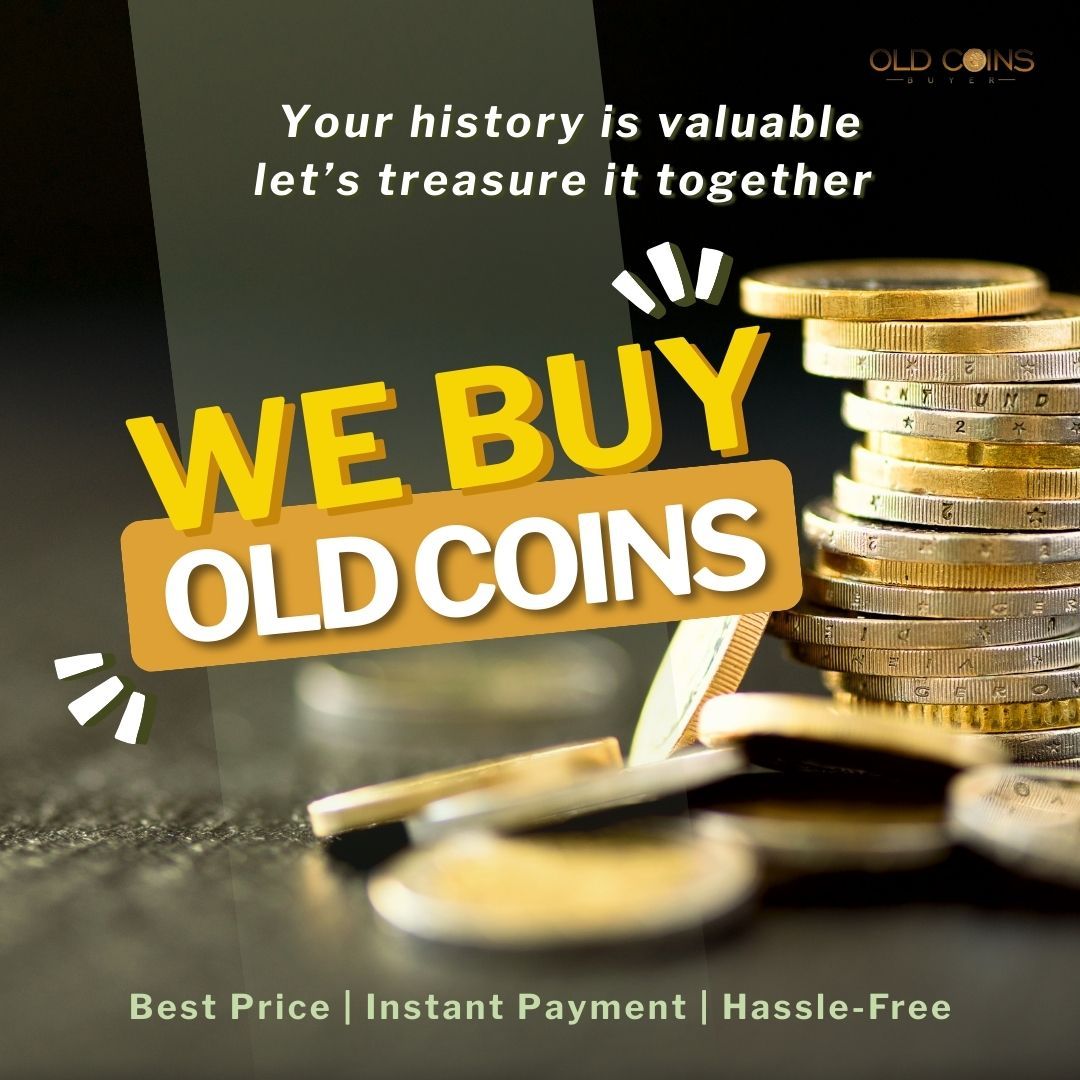
The World of Old Currency Buyers: Passion, Profit, and Preservation
The World of Old Currency Buyers: Passion, Profit, and Preservation
In an increasingly digital world, the fascination with old physical currencies—be it coins or banknotes—has remained steady. For many, collecting and trading old currency is a passionate hobby; for others, it's a serious investment strategy. But beyond the glint of silver coins or the historical allure of worn paper bills lies a thriving, intricate market of old currency buyers. These individuals and institutions actively seek rare, historic, or even obscure currencies from around the globe.
In this article, we explore who these buyers are, why they collect, how they operate, and how sellers can navigate the process of selling old currency—while avoiding common pitfalls.
Who Are Old Currency Buyers?
Old currency buyers are a diverse group, including:
Numismatists (Coin Collectors):
These are often passionate hobbyists or scholars focused on the study and collection of coins, tokens, and related monetary items. Some specialize in ancient coins, others in colonial currencies, and many collect based on themes like monarchs, wars, or national eras.
Currency Dealers and Investors:
These buyers treat old currency as an investment asset. They buy low and sell high, often tracking market trends, grading conditions, and monitoring auctions and estate sales. These professionals have deep knowledge of the market value of rare currency.
Museums and Historical Institutions:
Some institutions actively buy rare currencies to build or expand historical collections. These organizations often aim to preserve artifacts of national or global financial history.
Casual Collectors and Hobbyists:
Individuals who buy old coins or notes as a hobby. They may not care about market value as much as uniqueness or historical connection.
Online Resellers:
eBay, Etsy, and niche numismatic platforms are filled with resellers buying currency at lower prices (often in bulk) and reselling at higher margins.
Why Do People Buy Old Currency?
The motivations behind buying old currency are as varied as the buyers themselves:
1. Historical Interest
Old coins and notes are tangible pieces of history. A Roman denarius, a World War II German Reichsmark, or a colonial-era Indian rupee note tells a story of the time, the economy, the politics, and even the technology used in its creation.
2. Investment Potential
Rare currency can appreciate significantly in value. For instance, certain British sovereign gold coins, American Morgan silver dollars, or discontinued currency from pre-partition India have seen exponential rises in price over decades.
3. Preservation of Heritage
Many buyers are motivated by cultural or family heritage. A buyer with roots in East Africa might seek notes from colonial Kenya, while others may want coins from their ancestor's era.
4. Aesthetic and Artistic Appeal
Older banknotes, especially from the 19th and early 20th centuries, were often beautifully engraved with rich iconography. For many, they are mini works of art.
5. Speculation and Arbitrage
Some buyers purchase undervalued currency with the intent to sell once market demand increases. This is especially true for rare coins that gain popularity after being featured in collector media or documentaries.
Where Do Buyers Find Old Currency?
There are several sources old currency buyers frequent to find valuable additions to their collections:
Estate Sales and Auctions
Many valuable currencies are found when estates are liquidated. Buyers attend auctions in person or online (e.g., Heritage Auctions, Stack's Bowers, CNG).
Online Marketplaces
Platforms like eBay, MA-Shops, VCoins, and others have dedicated sections for old coins and notes. Social media marketplaces and Facebook groups are also growing in popularity.
Local Dealers and Antique Shops
Brick-and-mortar numismatic shops or antique dealers still serve as primary resources for serious buyers.
Coin Shows and Expos
Events like the New York International Numismatic Convention or the World Money Fair in Berlin bring buyers, sellers, and exhibitors from around the globe.
Direct Purchases from Sellers
Many buyers advertise their services online or in newspapers, offering to buy directly from individuals who possess old coins or notes.
What Are Old Currency Buyers Looking For?
Not all old currency is valuable. Here's what most buyers prioritize:
1. Rarity
The fewer the specimens in circulation, the more valuable the currency. Error prints, misstruck coins, and limited-edition releases are often in high demand.
2. Condition (Grade)
Currencies are graded on condition—ranging from “Poor” to “Uncirculated” (UNC). For coins, grading agencies like NGC or PCGS certify condition. Paper money is graded similarly by PMG and others. A flawless coin or crisp, unblemished note fetches far more than a worn one.
3. Metal Content
Coins made of silver, gold, or platinum often hold intrinsic value beyond their face or collector value. For example, gold sovereigns or silver rupees are purchased both for numismatic and metal value.
4. Historical and Political Significance
Currency linked to important historical moments (e.g., wartime currencies, colonial issues, demonetized series) attract significant interest.
5. Demand Trends
Market demand fluctuates. For example, during the COVID-19 pandemic, silver coins and colonial currencies gained popularity among collectors seeking tangible assets.
How to Sell to Old Currency Buyers
If you have old coins or notes and are considering selling, here are key steps to follow:
1. Research Your Items
Start by identifying the item: country, year, denomination, mint mark, and any visible inscriptions. Use sites like Numista or Krause catalog references to gauge preliminary value.
2. Get a Professional Opinion
Visit a local dealer or submit items for appraisal through an online numismatic service. Be wary of free appraisals that also pressure you to sell instantly.
3. Authenticate & Grade (if valuable)
If your item appears rare or expensive, consider getting it graded by a professional agency like NGC, PCGS, or PMG. This adds credibility and increases buyer trust.
4. Compare Buyer Offers
Don’t sell to the first offer. Prices vary significantly between hobbyist buyers, dealers, and investors. Post in multiple groups, forums, or marketplaces to see what others offer.
5. Negotiate and Finalize
Once you’ve selected a buyer, negotiate shipping terms, payment method, and authentication policies. Always use secure and trackable shipping when mailing valuable currency.
Red Flags: What to Avoid When Dealing with Buyers
While most buyers are legitimate, some may try to exploit sellers who are unaware of their currency’s value.
Lowball Offers: If someone immediately offers to buy without inspecting or appraising, proceed cautiously.
“It’s Common” Trick: Some buyers may claim your item is very common to justify a lower price—when it’s actually rare.
Rushed Sales: Avoid being pressured into a same-day deal unless you’re confident in the value.
Unverified Payment: Never ship valuable currency before verifying payment through secure platforms like PayPal Goods & Services, bank transfer, or escrow.
How to Spot a Serious Buyer
A trustworthy old currency buyer usually:
Has a clear online presence (website, social proof, reviews).
Shares references or certifications (e.g., ANA membership, dealer licenses).
Is willing to explain valuation.
Encourages grading and transparent documentation.
Does not pressure you to sell urgently.
Future of Old Currency Buying
With the rise of digital currencies like Bitcoin and growing digitization of payments, many wonder if physical currency collecting will fade. On the contrary, the old currency market is experiencing a revival—fueled by:
Increased online access: New collectors join through social media and online auctions.
Wealth preservation: In uncertain economies, physical assets like silver coins become attractive.
Educational use: Teachers and historians increasingly use old currency to tell stories of the past.
The result? A healthy, active, and even growing buyer ecosystem.
Conclusion
Old currency buyers play a crucial role in preserving monetary history, fueling a global passion for collecting, and creating economic opportunities for sellers. Whether you're an heir to a forgotten coin collection or a history buff stumbling on wartime banknotes, understanding who buys old currency—and why—is the first step to unlocking their value.
If you plan to sell, always research, authenticate, and compare buyer options. And if you're a buyer yourself, remember: every coin and note holds a story—sometimes worth far more than its face value.
Appreciate the creator