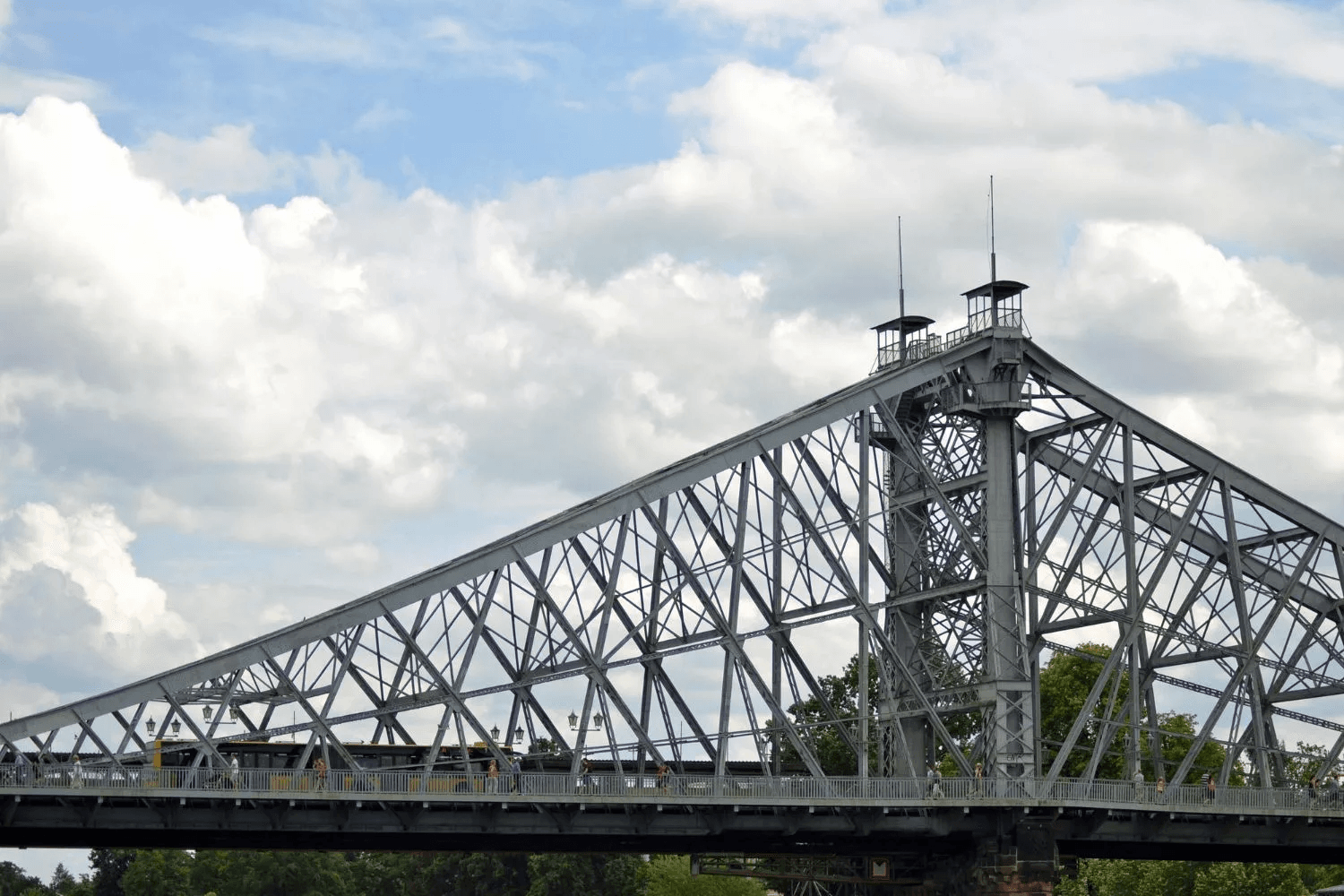
The Unsung Heroes of Bridge Engineering
Bridges are monumental feats of engineering, connecting communities, enabling transportation, and standing as symbols of progress. Yet, despite their impressive appearance, a bridge is never as solid as it seems. It constantly adjusts to changing temperatures, heavy traffic, seismic activity, and the passage of time.
This is where the magic of elastic bearings comes into play. While these components remain largely unseen by the public, they perform an essential role in maintaining the structural integrity of bridges. These bearings are the unsung heroes that allow bridges to flex, move, and adapt to various stresses, ensuring they last for decades.
What Are Elastic Bearings?
Elastic bearings, often referred to as elastomeric bridge bearings, are flexible yet robust elements that sit between the bridge’s superstructure (the deck or girder) and its substructure (the piers or abutments). These bearings are designed to support vertical loads while also accommodating horizontal movements, such as those caused by temperature changes or traffic.
What makes elastic bearings unique is their ability to combine both strength and flexibility. While they can bear immense loads without deforming excessively, they also allow the structure to move as needed, preventing stress from accumulating at fixed points.
Laminated Elastomeric Bearings: A Powerful Solution
One of the most common types of elastomeric bearings used in modern bridge construction is the laminated elastomeric bearing. These bearings are made by bonding alternating layers of high-quality elastomer (like natural rubber or neoprene) with thin steel plates, known as shims. The result is a layered structure that offers the best of both worlds.
The elastomer provides flexibility, allowing the bearing to shear horizontally and absorb movement. Meanwhile, the steel plates reinforce the structure, providing vertical stiffness and preventing excessive deformation under heavy loads. Together, these materials create a bearing that is both durable and adaptable to changing conditions.
Why Neoprene Bearings Are So Popular
Among the various types of elastomeric bearings, neoprene bearings are some of the most widely used. Neoprene, a type of synthetic rubber, is known for its resilience and longevity, making it an ideal choice for applications like bridge bearings.
Bridges are exposed to the elements day in and day out, with temperature fluctuations, moisture, UV rays, and even road salts all taking their toll on materials. Neoprene’s excellent resistance to these environmental factors ensures that bearings can perform reliably over the long term. It resists aging, cracking, and degradation, which is why neoprene bearings are a trusted solution in the bridge industry.
How Bearings Function in Bridge Systems
In a typical bridge design, bearing plates play an important role in distributing the load from the superstructure to the substructure. They sit directly beneath the bridge deck, helping to evenly transfer weight and accommodate any shifting that occurs as the structure flexes.
Elastomeric bearings are typically sandwiched between the bridge deck and the bearing plate, providing the flexibility needed to absorb and distribute both vertical loads and horizontal movements. For instance, when the temperature rises and the bridge expands, the elastomeric bearing allows it to move slightly without causing damage. Similarly, when traffic loads cause the deck to compress, the bearing absorbs the force and redistributes it evenly.
This system of flexibility and strength ensures that stress is spread across the entire structure, preventing localized damage and extending the overall lifespan of the bridge.
High Damping Rubber Bearings for Seismic Areas
In regions where earthquakes are common, high damping rubber bearings are often employed to enhance the bridge’s ability to withstand seismic forces. Unlike standard elastomeric bearings, which primarily focus on flexibility, high damping rubber bearings are designed to absorb and dissipate energy during an earthquake.
These bearings contain special materials that reduce the amount of force transferred to the structure during ground movement. This results in less damage to the bridge and better protection for the people and vehicles relying on it. For bridges located in seismic zones, high damping rubber bearings are often a critical component of the overall design.
Why Elastomeric Bearings Are the Go-To Solution for Bridges
Elastomeric bearings offer several advantages that make them an attractive choice for bridge engineers:
Durability: These bearings are designed to last for decades. Neoprene, in particular, resists wear, environmental degradation, and aging.
Cost-Effectiveness: Given their long lifespan and low maintenance needs, elastomeric bearings are a cost-effective solution for bridge construction and maintenance.
Simplicity and Reliability: With no moving parts, elastomeric bearings are less prone to failure compared to other bearing systems. They offer reliability and simplicity.
Adaptability: Bearings can be customized to meet specific needs, whether the project requires more load-bearing capacity or enhanced movement tolerance.
Low Maintenance: Elastomeric bearings don’t require frequent lubrication or constant monitoring. Routine inspections are generally sufficient to ensure they remain in good condition.
The Importance of Manufacturing Quality
For elastomeric bearings to perform as expected, the quality of manufacturing is paramount. The vulcanization process used to bond elastomer and steel must be precise, ensuring that the layers are fully integrated without weaknesses that could lead to failure. Small variations in the material or inconsistencies in the bonding process can lead to premature degradation, so attention to detail during production is critical.
High-quality elastomeric bearings are built to exacting standards to ensure that they perform reliably over their intended lifespan, which is typically 30 to 50 years with proper care.
Beyond Bridges: Other Applications of Elastic Bearings
While elastomeric bearings are most commonly associated with bridges, their applications extend far beyond transportation infrastructure. They can also be found in:
Parking structures, where they help distribute loads and absorb movement from traffic.
Railway systems, where they accommodate thermal expansion and contraction of tracks.
Buildings, especially in high-rise constructions where thermal movement and vibrations need to be controlled.
Industrial facilities, where machinery and large equipment create vibrations that elastomeric bearings can absorb.
In each of these applications, the goal is the same: to provide support while allowing for controlled movement and reducing stress on the structure.
Conclusion: The Critical Role of Elastomeric Bearings in Bridge Engineering
Although often invisible to the public, elastomeric bearings play a crucial role in the safety, durability, and performance of modern bridges. By supporting massive loads and allowing for controlled movement, they help to distribute forces evenly, protect structures from stress damage, and extend the lifespan of these vital pieces of infrastructure.
From laminated elastomeric bearings to high damping rubber systems, these components ensure that bridges remain flexible, strong, and ready to face the challenges of traffic, weather, and even seismic forces. In a world that demands more sustainable and resilient infrastructure, elastic bearings are a small but indispensable part of the solution.
Appreciate the creator