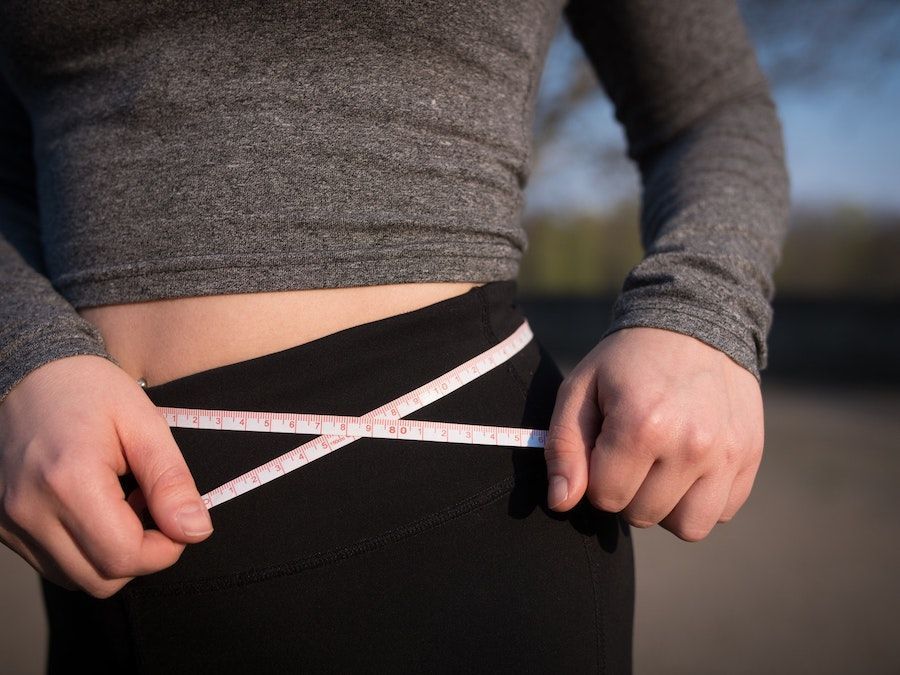
The Ultimate Guide to Weight Loss
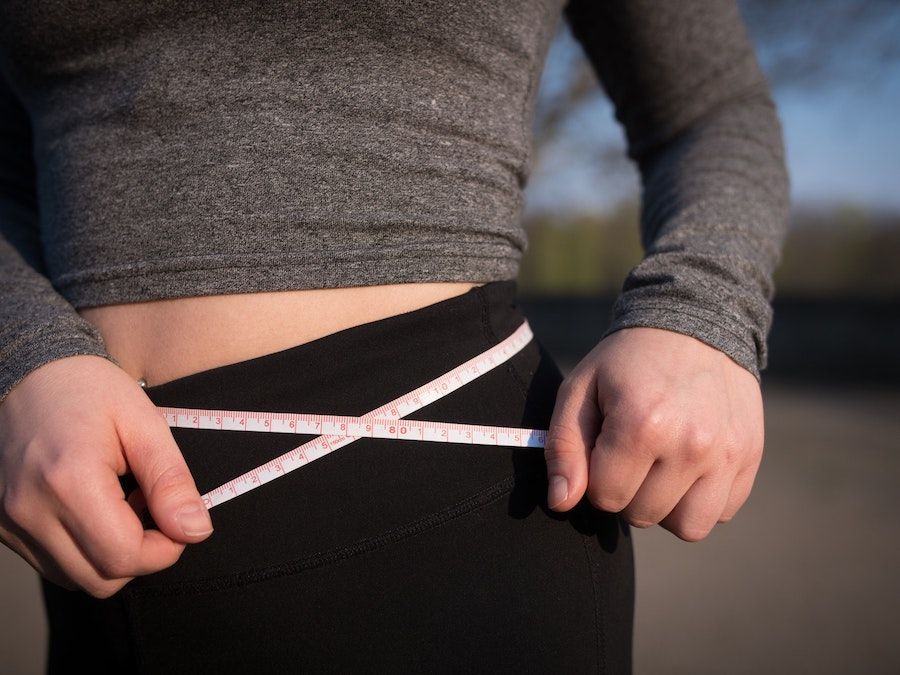
Welcome to the ultimate guide to weight loss - your go-to resource for science-based strategies that guarantee success in your journey towards a healthier, happier you! We all know how challenging and overwhelming it can be to navigate through the sea of information on weight loss. Fad diets, quick fixes, and misleading claims often leave us frustrated and discouraged. But fear not! This comprehensive guide is here to demystify the process, equip you with evidence-backed techniques, and empower you with knowledge so powerful that achieving your goals will be nothing short of exhilarating. So let's dive in headfirst into this scientific voyage towards a slimmer waistline and an invigorated life!
Introduction to Weight Loss and the Science Behind It
When it comes to weight loss, there is no shortage of information or products available. It can be difficult to know where to start, and even more difficult to stick with a plan. This guide will help you sort through the scientific evidence and develop a weight loss strategy that works for you.
The science of weight loss is complex, but there are some basic principles that everyone should understand. First, weight loss occurs when you burn more calories than you consume. This means that you need to create a calorie deficit in order to lose weight. Second, not all calories are created equal. Different foods have different effects on your body, and some foods are better for weight loss than others. Sustainable weight loss requires making changes to your lifestyle and eating habits that you can stick with long-term.
If you want to lose weight, the first step is to assess your current eating habits and find ways to reduce your calorie intake. Start by cutting out unhealthy foods like processed snacks and sugary drinks. Then, focus on filling up on nutrient-rich foods like vegetables, fruits, lean protein, and whole grains. As you make changes to your diet, pay attention to how your body responds so that you can make adjustments as needed.
In addition to changing what you eat, it’s also important to change how often and how much you eat. Weight loss happens when you eat fewer calories than your body needs over time. This doesn’t mean that you
Diet, Exercise, and Mindset: The Three Keys to Weight Loss Success
"Diet, Exercise, and Mindset: The Three Keys to Weight Loss Success"
If you're looking to lose weight, you need to focus on three things: diet, exercise, and mindset. Change your eating habits, get active, and think positively about your goals—these are the keys to success.
A healthy diet is essential for weight loss. Cut out processed foods, eat more fruits and vegetables, and reduce your portion sizes. These simple changes will help you start losing weight and keep it off for good.
Exercise is also important for weight loss. Not only does it burn calories, but it also helps to build muscle mass. Muscle tissue burns more calories than fat tissue—so the more muscle you have, the more calories you'll burn even when you're at rest. Aim for 30 minutes of moderate exercise most days of the week.
And finally, don't forget the power of positive thinking! Believe in yourself and your ability to reach your goals. When you have a positive mindset, anything is possible—including weight loss success!
Strategies for Designing a Healthy Eating Plan
When it comes to weight loss, there is no one-size-fits-all solution. However, there are some general principles that can help you create a healthy eating plan that is sustainable and effective. Here are some strategies for designing a healthy eating plan:
1. Understand your energy needs. The first step is to calculate how many calories you need to maintain your current weight. Once you know this number, you can create a deficit by consuming fewer calories or increasing your physical activity level to burn more calories.
2. Focus on whole, unprocessed foods. Choose foods that are minimally processed and contain little to no added sugar, salt, or unhealthy fats. These foods are typically more nutrient-dense and will help you feel fuller longer.
3. Make sure you're getting enough protein. Protein is an essential nutrient for weight loss and helps preserve lean body mass as you lose weight. Include protein at every meal and snack throughout the day to keep your hunger in check and fuel your metabolism.
4. Don't forget about fiber. Fiber is another important nutrient for weight loss as it helps promote satiety and maintain regular bowel movements. Be sure to include plenty of high-fiber foods in your diet such as fruits, vegetables, whole grains, beans, and legumes.
Exercise for Maximum Weight Loss: A Comprehensive Guide
The benefits of exercise for weight loss are well-established. However, many people are unsure of how to exercise for maximum weight loss. This guide will provide a comprehensive approach to help you lose weight and keep it off.
We all know that exercise is good for our health. But did you know that it can also be hugely effective for weight loss? In fact, research has shown that regular physical activity is one of the most important things you can do to achieve and maintain a healthy weight.
So, if you’re looking to lose weight, exercising is a great place to start. But what type of exercise should you do? And how much should you do? Here, we give you the lowdown on everything you need to know about exercising for maximum weight loss…
The best exercises for weight loss
When it comes to losing weight, there are certain types of exercise that are more effective than others. The best exercises for weight loss are those that burn the most calories. These include:
• Running: This is one of the most efficient ways to lose weight. A 155-pound person will burn approximately 298 calories by running at a speed of 5 miles per hour (mph) for 30 minutes. If this same person ran at a faster pace of 8 mph, they would burn around 372 calories in the same time period. And if they ran even faster, at 10 mph, they would burn around 446 calories in 30 minutes. As you
Understanding the Role of Stress in Weight Loss
When it comes to weight loss, stress can be both a friend and a foe. On the one hand, a certain amount of stress is necessary to motivate us to make changes in our diet and exercise habits. On the other hand, too much stress can lead to unhealthy coping mechanisms such as overeating or binge eating.
So how can you tell if your stress levels are healthy or harmful? And what can you do to manage stress in a way that supports your weight-loss goals?
Here's a closer look at the role of stress in weight loss, plus some tips for keeping stress levels in check.
When it comes to weight loss, your body responds best to moderate stressors. Too much stress can actually hinder weight loss by triggering the release of hormones like cortisol, which can lead to cravings for high-calorie comfort foods. Chronically high levels of cortisol have also been linked with increased abdominal fat storage.
On the other hand, some degree of stress is necessary to motivate change. If you're not stressed about your weight, it's easy to fall into bad habits like skipping workouts or eating unhealthy foods. A little bit of healthy stress can help keep you on track by providing the motivation you need to make lasting changes.
The key is finding a balance between too much and too little stress. Here are a few tips for managing stress in a way that supports your weight-loss goals:
Motivation and Staying Positive During Your Journey
Your weight loss journey will not be easy. There will be times when you feel like giving up. But if you want to succeed, you need to find ways to stay motivated and positive.
One way to do this is to set small goals for yourself. Rather than thinking about losing 20 pounds, focus on losing 2 pounds each week. This will make the process seem more manageable and increase your chances of success.
It's also important to find a support system to help you through the tough times. Talk to your friends and family about your goals, and join a weight loss support group. Knowing that others are going through the same thing can make it easier to stay on track.
Remember that there will be setbacks along the way. Don't let them get you down; just keep moving forward towards your ultimate goal.
Popular Weight Loss Supplements: Benefits and Risks
When it comes to weight loss supplements, there are many different options available on the market. Some of the most popular best weight loss pills include:
1. Green Tea Extract: Green tea extract is a popular weight loss supplement because it contains antioxidants and caffeine. Green tea extract can help boost metabolism and burn fat. However, it is important to note that green tea extract can also cause side effects such as headaches and dizziness in some people.
2. Garcinia Cambogia: Garcinia cambogia is a weight loss supplement that contains hydroxycitric acid. This acid has been shown to block the production of fat in the body and help suppress appetites. However, garcinia cambogia can also cause side effects such as stomach pain and diarrhea in some people.
3. CLA (Conjugated Linoleic Acid): CLA is a naturally occurring fatty acid found in meat and dairy products. CLA has been shown to help reduce body fat mass and increase lean muscle mass. However, CLA can also cause side effects such as gastrointestinal distress in some people
Appreciate the creator