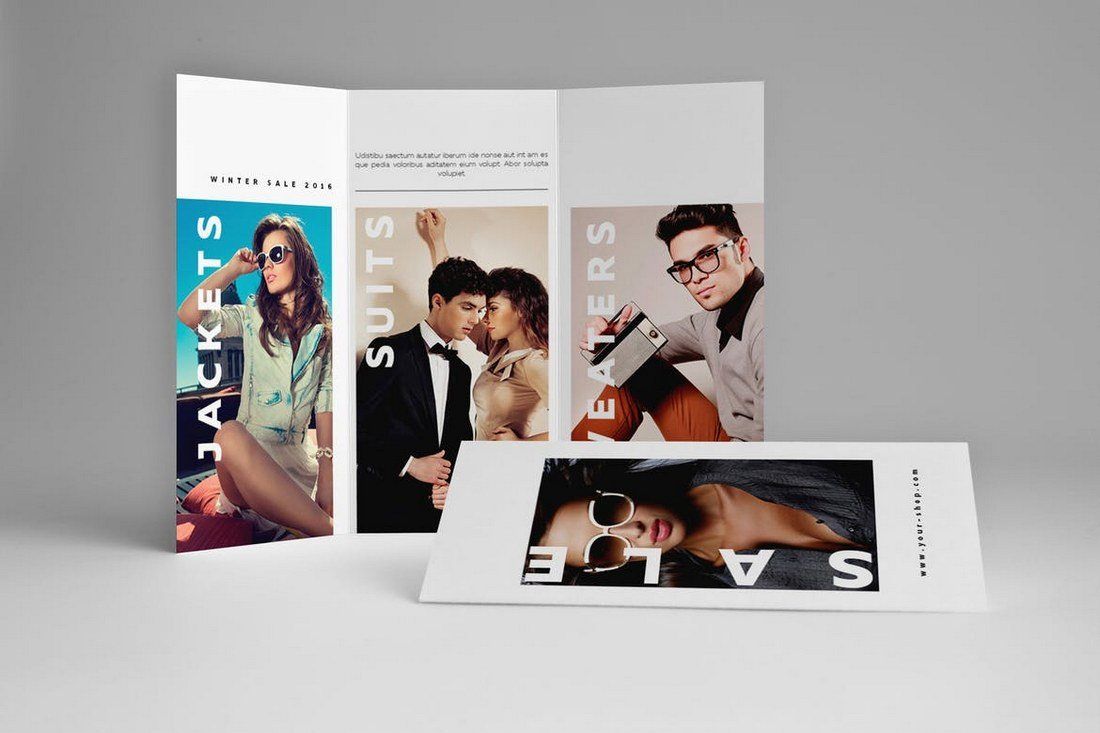
The Ultimate Guide to Photo Brochure Design: Tips for Creating Stunning Visual Marketing Materials
The Ultimate Guide to Photo Brochure Design: How to Create Stunning Visuals for Your Brand
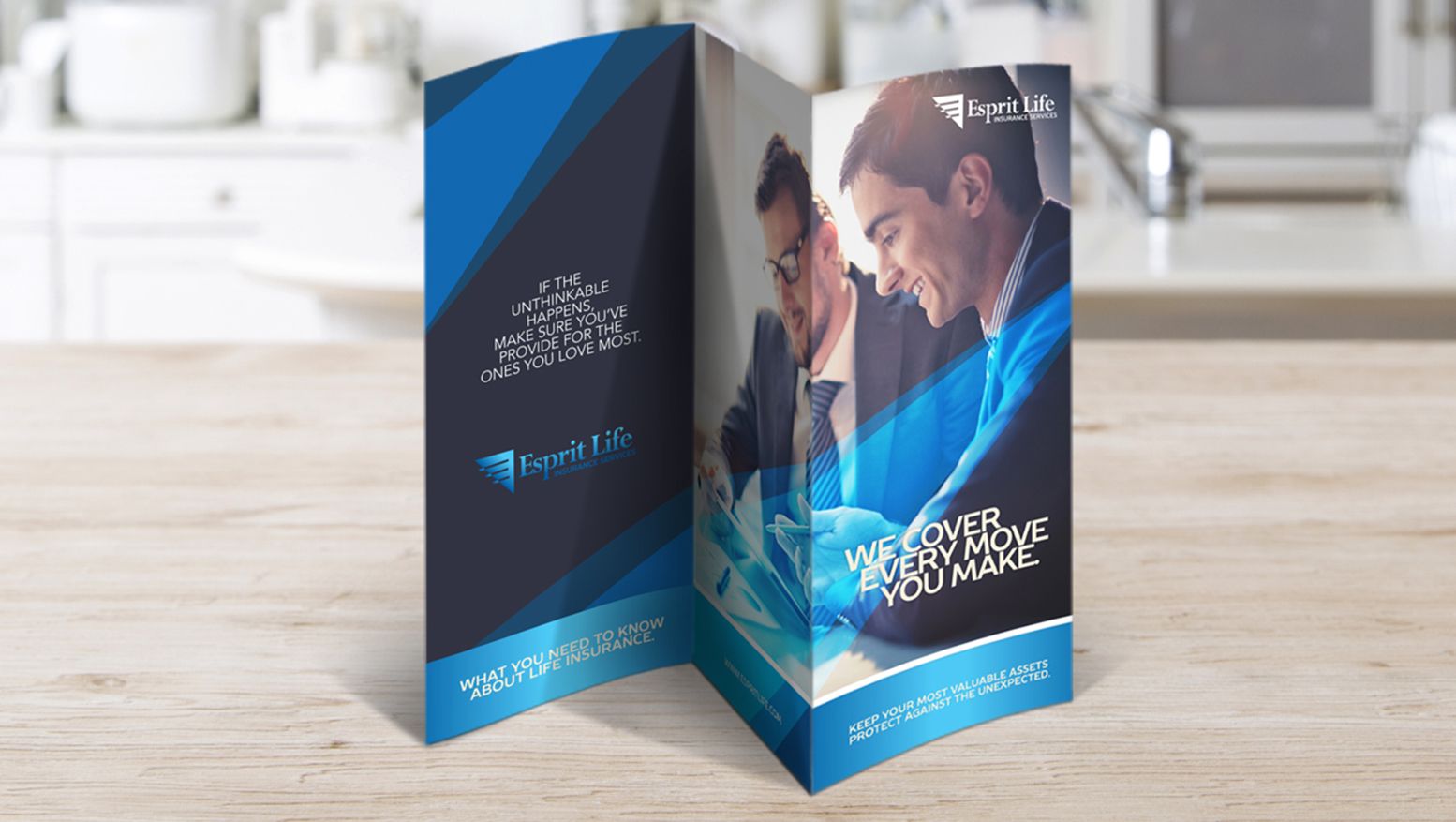
In today’s visually-driven world, your brand's presentation is more important than ever. One of the most impactful marketing tools is the humble brochure. However, with an increased focus on digital content, many businesses have forgotten the power of print brochures. A photo brochure design combines the best of both worlds—showcasing your brand's unique qualities and services through powerful imagery and thoughtful layout.
In this blog, we will explore what a photo brochure design is, why it is essential, and how you can create a brochure that leaves a lasting impression.
What Is a Photo Brochure Design?
A photo brochure design integrates compelling photographs into the traditional layout of a brochure. These brochures are typically used by businesses to communicate their message to clients, customers, or prospects in a tangible way. Photo brochures are rich in imagery and often focus on showcasing products, services, or experiences through high-quality visuals.
The purpose of using photos in brochure design is to create a more engaging and visually appealing brochure that speaks directly to your audience. These brochures not only serve as informative tools but also help convey the aesthetic and personality of your brand through creative, high-quality images. Whether it’s a product catalog, event promotion, or corporate marketing piece, a photo brochure is a tool that captures attention and resonates with the viewer.
Why Photo Brochure Design is Essential for Your Brand
In a crowded marketplace, standing out from your competitors is crucial. A photo brochure can be the key to grabbing your audience’s attention and keeping them engaged. Here are some reasons why photo brochure design is essential for your brand:
Visual Appeal and Engagement
People are naturally attracted to images, and using high-quality photographs in your brochure grabs the attention of potential clients instantly. Whether showcasing your products, your team, or your services, powerful imagery can communicate emotions, tell a story, and make a memorable impact.Reflects Your Brand Identity
Your brochure is often the first tangible item a potential client or customer will hold. A photo brochure allows you to reflect your brand’s personality, values, and tone through carefully chosen visuals. It’s important that these photos align with your brand message, whether you are aiming for elegance, professionalism, creativity, or a friendly, approachable feel.High-Quality Imagery Enhances Perceived Value
In the digital age, most businesses prioritize online marketing and social media content. As a result, high-quality printed materials can stand out. When you invest in creating a well-designed photo brochure, it not only builds credibility but also enhances your perceived value. Customers associate high-quality brochures with a high-quality product or service.Helps Tell a Story
With a photo brochure, you can tell a visual story about your brand. A single image can speak volumes, and when strategically placed within your brochure, photos create a narrative that communicates your business’s goals, services, and ethos. Whether it's through showcasing customer testimonials, service visuals, or product highlights, a well-crafted photo brochure helps paint the picture of your business and its offerings.
Key Elements of a Stunning Photo Brochure Design
To create a stunning photo brochure, several design elements need to be in place. Here's a breakdown of what to focus on when designing your brochure:
The Layout and Structure
The layout is critical in ensuring that your brochure is both functional and attractive. A good photo brochure design should strike the perfect balance between text and images. Don’t overload the brochure with too many visuals or too much text. Instead, choose photos that will highlight your key messages. Make sure your text complements the images and adds value to the content.
A clean, easy-to-read layout, with clear sections and headings, will guide the reader through your brochure without feeling overwhelmed.Choosing the Right Photos
The photos you select will define the look and feel of your brochure. Always use high-resolution images that are relevant to your brand and your message. The quality of the photos speaks volumes about your business. Blurry, poorly lit, or irrelevant photos will leave a negative impression on your audience.
Whether you use professional photos or high-quality stock images, ensure they align with your brand identity. If you’re showcasing a product, make sure the photos are crisp and clear, and display your product in a real-world setting or lifestyle context. If you’re showcasing a service, use images that reflect the benefits your customers can expect.Typography and Font Choice
Fonts should be chosen carefully to match the overall tone of your brand. If your brochure is more formal, use serif fonts to exude professionalism. For a fun, playful brand, go for more whimsical or sans-serif fonts. The typography should be easy to read, complement the photos, and highlight key messages. Avoid using too many different fonts—stick to one or two to maintain a cohesive look.Color Scheme
Your color scheme should align with your brand’s colors and evoke the right emotions. For example, blue conveys trust, professionalism, and calm, while red can symbolize excitement, passion, and action. Ensure the colors you choose complement the photos and don’t overwhelm the design. A good rule of thumb is to use a maximum of 3–4 primary colors in your brochure.Incorporating Branding
A photo brochure is not just about showcasing pretty images—it’s about communicating your brand. Incorporate your logo and tagline prominently in the design. Consistency is key, so make sure the images, fonts, and colors all work together to create a unified, branded look.
Tips for Designing a Photo Brochure
Focus on the Audience:
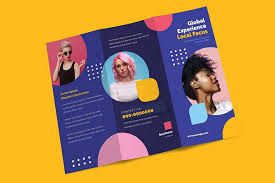
Always keep your target audience in mind. What are their interests, and what kind of visual content will engage them the most? A photo brochure designed for a high-end luxury brand will look very different from one designed for a fun, youthful brand.Use White Space:
Don’t overcrowd the design. Use white space effectively to allow the photos to breathe and your content to stand out. This helps create a clean, professional look that’s easy on the eyes.Include a Call to Action:
While the design is about the visuals, it’s important to remember the ultimate goal of your brochure. Whether it’s to drive sales, generate leads, or promote a specific service, include a call to action (CTA) in a prominent place.
Conclusion
A photo brochure design can significantly impact how your business is perceived. It combines the elegance of design with the power of visual storytelling, helping you communicate your brand’s message effectively. When done right, a photo brochure engages your audience, enhances your brand’s identity, and elevates your business to new heights.
Whether you’re promoting a product, a service, or an event, a photo brochure is a perfect tool to create lasting impressions. Keep in mind the essential design principles—layout, photo quality, typography, color scheme, and branding—to create a brochure that not only captures attention but also drives results.
With these tips and best practices in mind, you’re ready to start creating your own stunning photo brochure.
Appreciate the creator