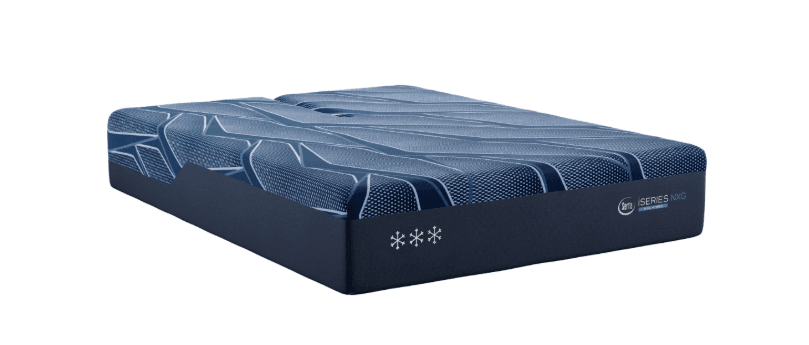
The Science Behind Memory Foam Mattresses and Pressure Relief
Choosing the right mattress is crucial for achieving restorative sleep, and memory foam mattresses have emerged as a popular choice for their unique ability to conform to the body while alleviating pressure points. In the middle of the intro, these mattresses stand out because of their viscoelastic properties, which respond to both body heat and weight, allowing for a personalized sleeping experience. Unlike traditional spring mattresses, memory foam adapts to your shape, providing targeted support and reducing discomfort in sensitive areas.
Understanding Memory Foam Technology
Memory foam, also known as viscoelastic foam, was originally developed by NASA to improve seat cushioning and crash protection for astronauts. The foam's structure allows it to compress under pressure and slowly return to its original shape when the pressure is removed. This characteristic is what enables memory foam mattresses to distribute body weight evenly, preventing excessive stress on any single area of the body. The result is a feeling of “floating” support that reduces tossing and turning during the night.
Pressure Relief and Spinal Alignment
One of the key benefits of memory foam mattresses is their ability to relieve pressure points, particularly around the shoulders, hips, and lower back. When lying down, traditional mattresses can create concentrated pressure areas that lead to discomfort or numbness. Memory foam responds to the body’s contours, spreading weight evenly and maintaining natural spinal alignment. This not only improves comfort but also helps prevent chronic pain conditions, making it ideal for individuals with back or joint issues.
Motion Isolation
Another feature that makes memory foam mattresses popular is their exceptional motion isolation. The foam absorbs movement, preventing it from transferring across the bed. This means that if one person moves or gets up during the night, their partner experiences minimal disturbance. For couples, this can significantly improve sleep quality and reduce nighttime interruptions.
Temperature Regulation
Although memory foam is known for contouring to the body, early versions had a tendency to retain heat. Modern memory foam mattresses have incorporated cooling gels, open-cell structures, and breathable covers to promote airflow and maintain a comfortable sleeping temperature. These innovations make memory foam suitable for a variety of climates, ensuring that sleepers stay cool and comfortable throughout the night.
Density and Firmness
Memory foam mattresses are available in different densities and firmness levels, which influence both comfort and durability. High-density foams generally offer better support and longevity, while medium-density options provide a balance of contouring and responsiveness. Choosing the right density depends on personal preference, body weight, and specific support needs. Some mattresses combine layers of different foams to achieve an optimal balance between softness and support.
Durability and Maintenance
Memory foam mattresses are known for their durability compared to traditional innerspring mattresses. They resist sagging and maintain their shape for many years with proper care. To extend the lifespan of your mattress, it is recommended to use a supportive base, rotate it periodically, and keep it clean using mattress protectors.
Additional Features
Some memory foam mattresses incorporate advanced features such as cooling gel infusions, hypoallergenic materials, or adjustable firmness layers. These enhancements provide targeted benefits for individuals with specific needs, such as heat-sensitive sleepers or allergy sufferers. Selecting a mattress with such features ensures a customized sleeping experience that addresses both comfort and health concerns.
Conclusion
Memory foam mattresses are a scientifically designed solution for achieving superior comfort, pressure relief, and spinal support. Their ability to conform to the body, reduce pressure points, isolate motion, and incorporate cooling technologies makes them a compelling choice for anyone seeking restorative sleep. When exploring options for your bedroom, combining a memory foam mattress with soft mattresses can enhance overall comfort, creating a sleep environment that promotes relaxation and rejuvenation every night.
Appreciate the creator